Skip to content
Saved
ROBOVATIONS/COMPARISON3 ROBOTS COMPAREDREASSESSED 2026.06.23

Goal-based

Are robot window cleaners worth it for just a few windows?

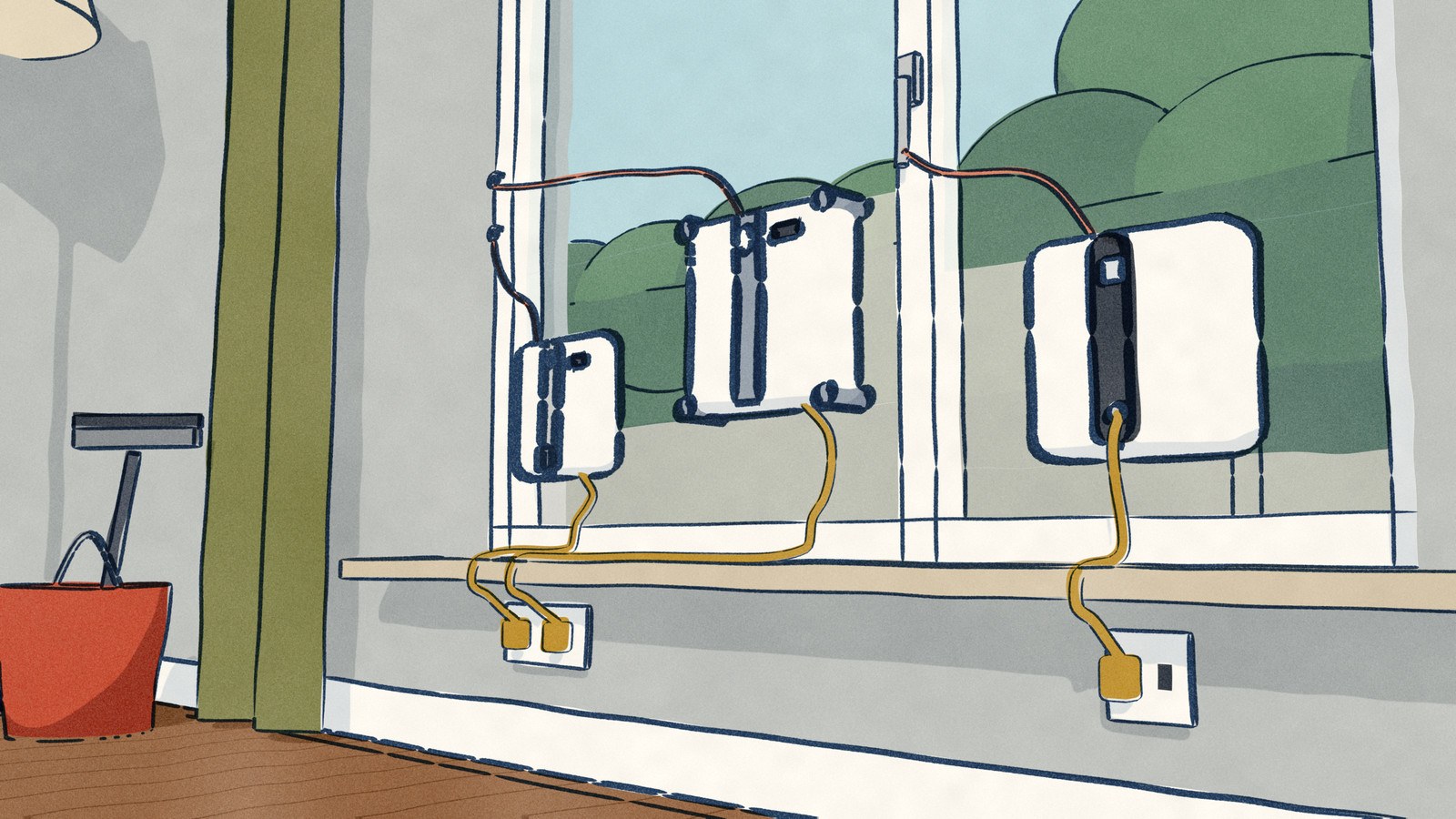
All three robots target owners with fewer than ten accessible panes, yet they differ structurally in whether they plan a path, require manual repositioning per window, or rely on a corded power supply.

HUTT DDC55
HUTT

HUTT DDC55

Level II
$279BuyAmazon
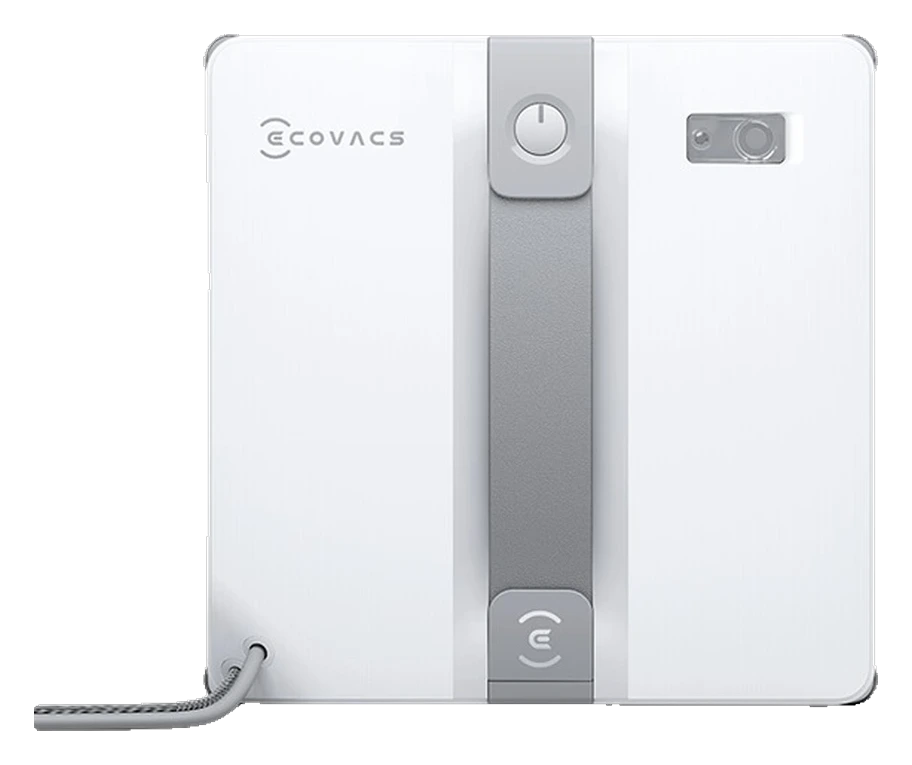
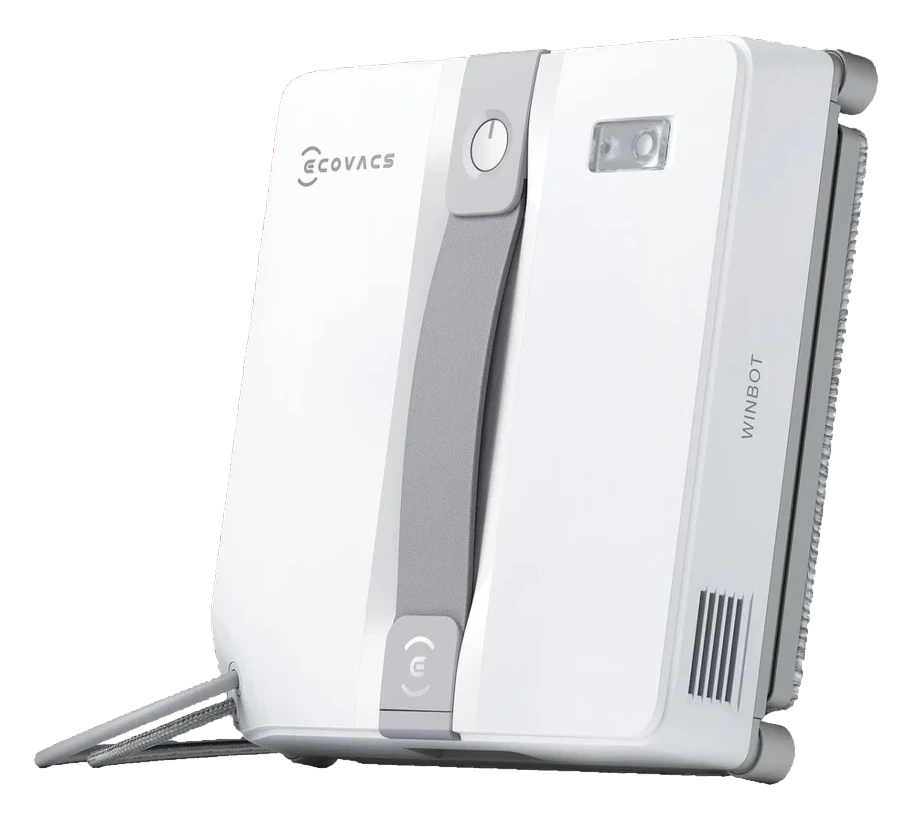
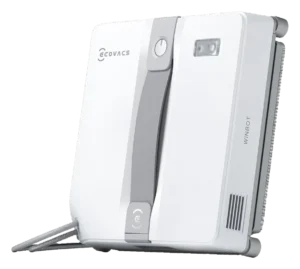
Ecovacs Winbot W1 Pro
Ecovacs

Ecovacs Winbot W1 Pro

Level III
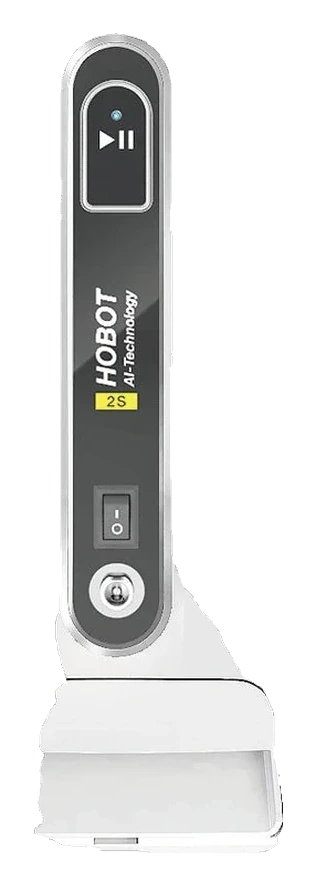
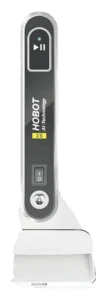
HOBOT 2S
HOBOT

HOBOT 2S

Level II
$340BuyAmazon
Price range$279–$340
Autonomy spreadLevel II–III
Robots compared3

Classification, not a ranking. Every mark below is documented evidence, not a purchase recommendation.

We may earn commission from qualifying purchases. This does not influence the comparison.

01/05

How many panes can each robot handle per session?

Session scope determines whether a robot finishes a home's window count in one run or requires mid-session owner involvement. This section maps documented runtime, power architecture, and repositioning requirements.

Where they differEcovacs Winbot W1 Pro — Power source: Cordless battery
EvidenceHUTT DDC55Ecovacs Winbot W1 ProHOBOT 2S
Power sourceCorded (25m cable)Cordless batteryDiffersCorded (included cable)
Runtime per sessionLimited by cable reach150 min (manufacturer spec)Differs20 min per tank fill
Multi-window in one runYes, within cable rangeYes, no repositioning neededManual move per window
Session interruptions requiredNone (continuous)Recharge after ~150 minRefill + reposition per window
Sources & evidence
Ecovacs product page; HOBOT 2S manufacturer specs

Ecovacs manufacturer documentation specifies 150-minute runtime for the W1 Pro. HOBOT 2S specifications note 20-minute runtime between water tank refills, with manual repositioning required at each new pane.

HUTT DDC55 manufacturer documentation; owner reports (Amazon)

HUTT DDC55 operates continuously within the 25-meter cable envelope. Owner reports confirm cable length sufficient for standard room-to-room coverage. Extension cord use is manufacturer-discouraged.

02/05

Does each robot plan a cleaning path, or rely on owner placement?

Path planning determines how much owner involvement a session requires. Level III robots map the surface and execute systematically; Level II robots automate cleaning within a single placed window only.

Where they differEcovacs Winbot W1 Pro — Autonomy Ladder classification: Level III (Conditional Autonomy)
EvidenceHUTT DDC55Ecovacs Winbot W1 ProHOBOT 2S
Autonomy Ladder classificationLevel II (Assisted Autonomy)Level III (Conditional Autonomy)DiffersLevel II (Assisted Autonomy)
Navigation methodVacuum edge detection onlyWIN-SLAM cross-pattern mappingDiffersInfrared edge detection, no mapping
Repositioning between windowsManual (owner moves unit)Automatic within sessionManual (owner moves unit)
Scheduling capabilityApp power/schedule (Xiaomi)Wi-Fi scheduling availableNone; manual activation only
Sources & evidence
Ecovacs W1 Pro manufacturer documentation

Ecovacs manufacturer documentation describes WIN-SLAM as a vision-based systematic cross-pattern navigation. It is the only model among the three with documented path-planning rather than reactive edge-detection.

HOBOT 2S manufacturer specs; Robovations autonomy classification

HOBOT 2S manufacturer specifications confirm infrared edge detection with no mapping component. Classification at Level II reflects manual placement per window as the structural autonomy ceiling.

03/05

What does each robot cost to own beyond the sticker price?

Pad replacement, motor maintenance, and consumable water system needs create recurring costs that vary by product. This section documents known replacement intervals and costs from manufacturer documentation and owner reports.

EvidenceHUTT DDC55Ecovacs Winbot W1 ProHOBOT 2S
MSRP / price range$229-$349~$400$299-$349 (current $299)
Pad replacement intervalEvery 4-5 months (~$15-20/pair)Every 3-4 months (~$30-40/pair)Every 3-6 months (~$20-30/pair)
Motor repair / replacement cost~$60-70 (expected 3-4 yr)~$120 (accelerated by hard water)Not documented; motor durability a known concern
Water system riskNozzle clog (distilled water recommended)Nozzle clog + motor wear (hard water)Channel blockage; vinegar cleaning resolves
Sources & evidence
HUTT DDC55 product documentation; owner reports (Amazon)

HUTT DDC55 product data documents pad replacement at roughly $15-20 per pair every 4-5 months and motor replacement at approximately $60-70 after 3-4 years of regular use.

Ecovacs W1 Pro manufacturer documentation; owner reports

Ecovacs W1 Pro maintenance documentation and owner reports describe suction-motor assembly replacement at approximately $120, with accelerated wear in hard-water areas cited by owner forums.

04/05

Which window types and home layouts cause problems for each robot?

Edge detection, suction motor capacity, and safety rope length define where each robot operates reliably and where manual workarounds become necessary.

EvidenceHUTT DDC55Ecovacs Winbot W1 ProHOBOT 2S
Frameless or curved glassNot documented; likely edge-detection issuesDocumented limitation; manual intervention neededTextured/frosted: confirmed failure (mfr + owner reports)
Multi-story exterior useCable + motor limit above ~25 ftSafety rope (5m std) limits above ~15 ftManual repositioning burden on distributed floors
Pane size minimumNot documented8 sq ft (below = path overlap)Standard frames; curved mullions cause failure
Hard-water impact on performanceNozzle clog within 3-4 weeks (owner reports)Nozzle clog within 2-3 weeks; motor wear acceleratedChannel blockage; monthly vinegar flush required
Sources & evidence
HOBOT 2S manufacturer documentation; TechRadar review (Apr 2026)

HOBOT 2S manufacturer documentation and owner reports confirm that textured or frosted glass breaks the suction seal, producing confirmed failure mode. This is the only model with an explicitly documented surface exclusion.

Ecovacs W1 Pro manufacturer documentation; owner reports

Ecovacs W1 Pro manufacturer documentation notes that panes smaller than 8 sq ft cause repeated path overlap. Frameless glass produces edge-detection confusion documented in owner forums.

05/05

Where does automation offset real effort, versus where does a squeegee still win?

Automation value depends on the recurring task profile: how many panes, how often, and what the owner's alternative is. This section maps documented capability against the small-home use case described in the title.

Where they differHOBOT 2S — Connectivity / privacy profile: No Wi-Fi; USB only; no app
EvidenceHUTT DDC55Ecovacs Winbot W1 ProHOBOT 2S
Owner effort per session (small home, 4-6 panes)Setup + cable routing; unattended runPad attach + safety rope; unattended runPosition + activate per pane; ~20-min unattended then refill/move
Ladder risk eliminated?Yes, for ground/first-story panesYes, within 5m safety rope rangeYes, within manual placement reach
Connectivity / privacy profileWi-Fi required (Xiaomi ecosystem)Wi-Fi required (Alexa, Google Home)No Wi-Fi; USB only; no appDiffers
Robovations overall score57/10065/10059/100
Sources & evidence
HOBOT 2S manufacturer documentation; Robovations privacy classification

HOBOT 2S operates with no Wi-Fi, no cloud connection, and no app. Manufacturer documentation confirms USB-only control. Privacy score of 98/100 in Robovations classification reflects zero data collection or transmission.

Ecovacs W1 Pro manufacturer documentation; HUTT DDC55 Xiaomi ecosystem overview

Ecovacs W1 Pro and HUTT DDC55 both require Wi-Fi for scheduling and app features. Neither product's manufacturer documentation details data collection practices for window-cleaner app functions specifically.

In closing

What the evidence shows

Patterns that emerged across the questions above.

01

Autonomy level splits the three cleanly

The W1 Pro is the only Level III robot here, with documented path planning. The DDC55 and HOBOT 2S both sit at Level II, completing a session on the placed pane but requiring the owner to define the window sequence.

02

Occasional small-home use shrinks the cost gap

At 4-6 panes cleaned a few times per year, annual pad and consumable costs are similar across all three. The W1 Pro's higher motor repair cost ($120 versus $60-70) only matters at higher frequency or in hard-water regions.

03

The squeegee trades skill for speed at small scale

Owner effort for a 4-6 pane session is similar across all three robots once setup, repositioning, and post-use maintenance are included. The documented gain is ladder-risk elimination, not time saving.

Common questions

What readers ask about this comparison.

Q.
Which of these robots requires the least setup per cleaning session?
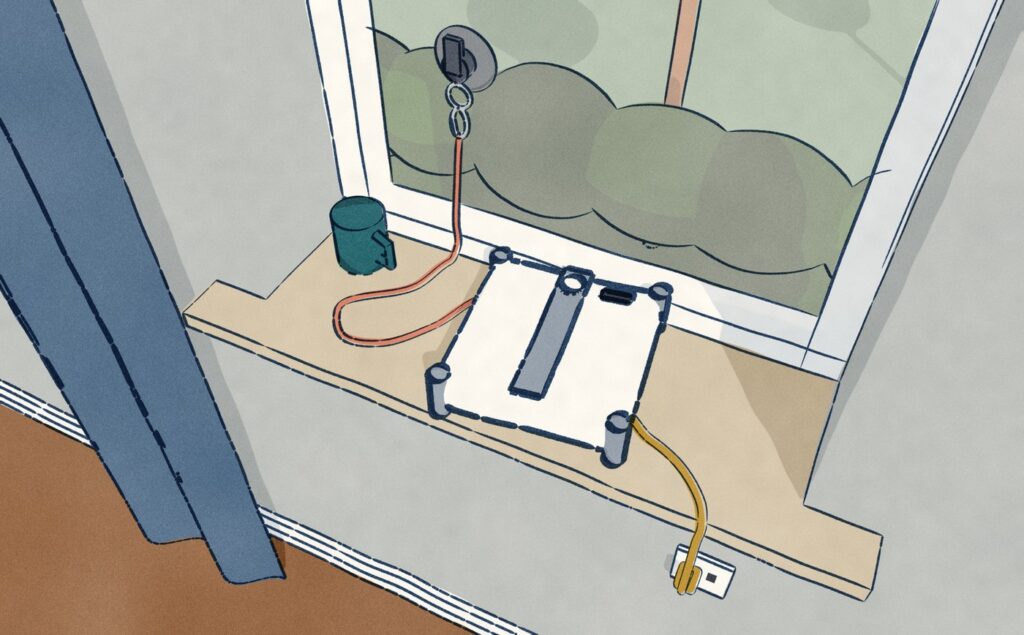
The HUTT DDC55 requires routing the 25-meter cable to a power outlet and attaching the spray pad, then runs unattended. The W1 Pro requires pad attachment and safety rope rigging before each session. The HOBOT 2S requires positioning and activating it on each individual pane. Setup burden is roughly comparable across all three; none qualifies as hands-off from a cold start.
Q.
Does the Ecovacs Winbot W1 Pro work on frameless glass?
Ecovacs manufacturer documentation and owner reports both note edge-detection confusion on fully frameless panes. The robot may trigger false boundary stops or require manual repositioning. For frameless or large all-glass installations, owner reports recommend testing on one pane before committing to a full session.
Q.
Is the HOBOT 2S usable without any smartphone or app?
Yes. HOBOT 2S operates via hardware buttons only. No Wi-Fi connection, no mobile app, and no cloud account are required or available. Manufacturer documentation confirms USB as the only data interface. This is the only app-free option among the three robots.
Q.
How does hard water affect the long-term cost of owning any of these robots?
All three use water-dispensing systems vulnerable to mineral buildup. The Ecovacs W1 Pro faces the highest documented consequence: owner reports and manufacturer data describe suction-motor wear acceleration in hard-water areas, with motor replacement costs reaching approximately $120. The DDC55 and HOBOT 2S face nozzle clogging resolvable with vinegar flushing, though motor durability data for the HOBOT 2S is not fully documented. Distilled water is manufacturer-recommended for all three.
Q.
For a home with four to six windows cleaned a few times a year, does a robot meaningfully reduce effort over a squeegee?
The documented gain is ladder-risk elimination, not time savings. At low frequency, pad maintenance, cable routing, or per-pane repositioning adds overhead comparable to manual cleaning. Owner reports across all three models describe sessions requiring 15-30 minutes of active involvement including prep and post-use maintenance for a 4-6 pane run.
Next up

Complete coverage or skipped strips: which window robot finishes the pane?

Read the comparison
Comparison ID: RV–CMP–7515 · Last reviewed Jun 23, 2026 · Based on owner reports, manufacturer documentation, and firmware release notes