
Goal-based/Robot Window Cleaners/3 robots compared/Reviewed Jun 23, 2026
Beyond windows: which glass robots work on mirrors, shower glass, and tabletops?

Full specifications17 measurements · 44 of 51 documented
The investigation
5 questions this comparison examines
Does physical size limit operation on small indoor surfaces?
Mirrors and shower enclosures are often narrower than a residential window pane. Footprint and weight determine whether a robot can seat, adhere, and complete a coverage path on a confined surface.
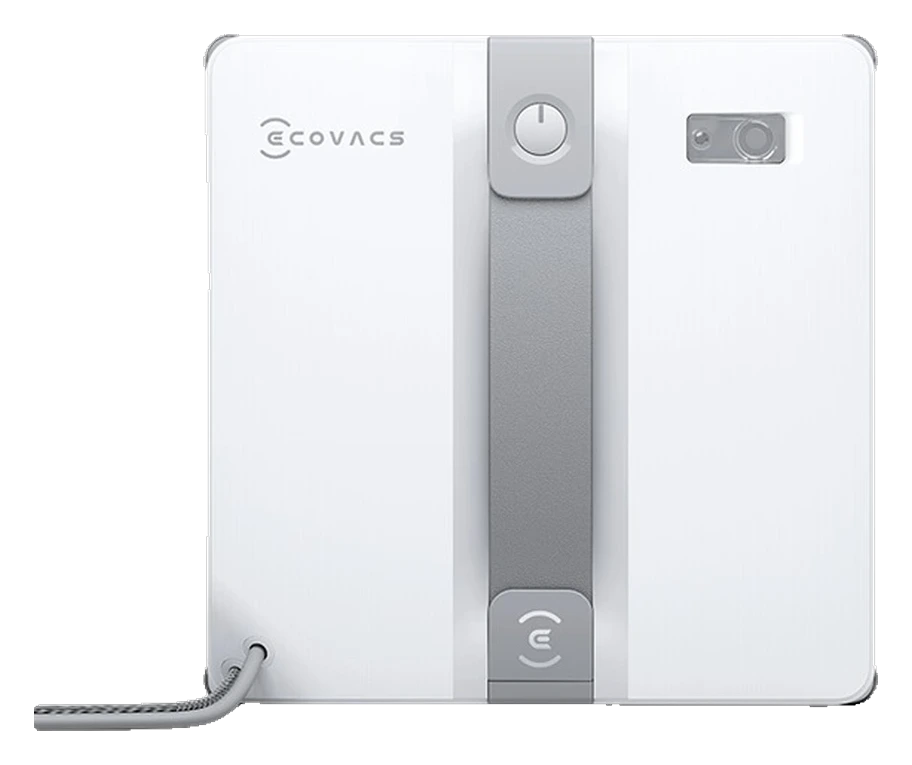
 Ecovacs Winbot Mini
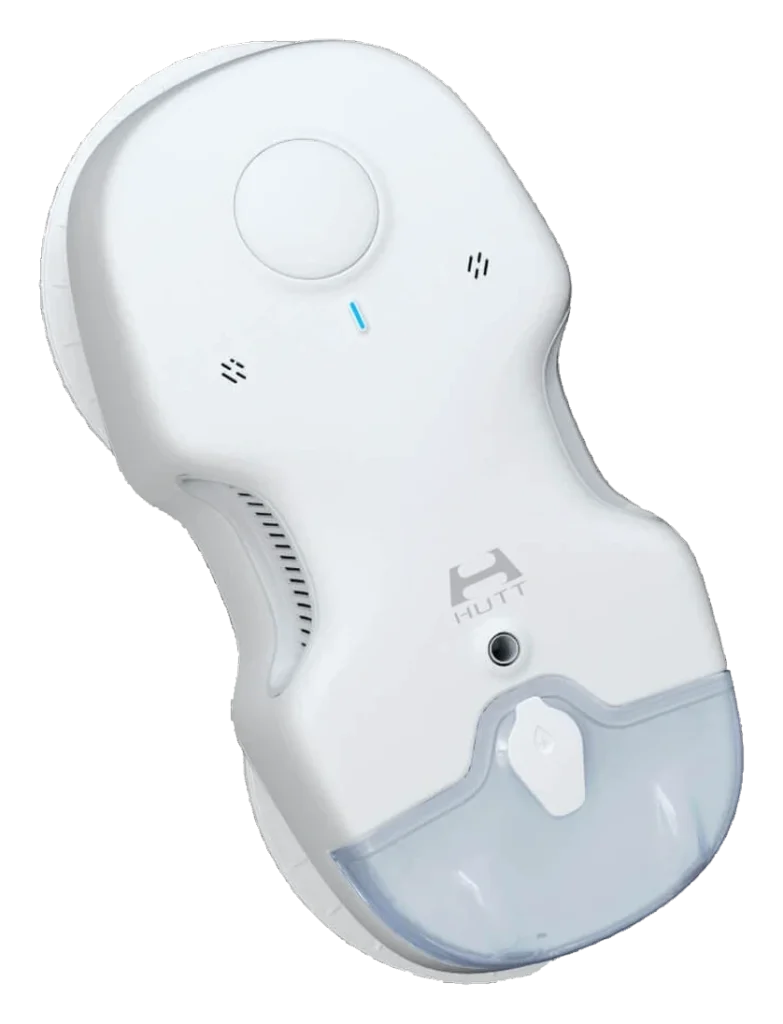
 HUTT C6
 Ecovacs Winbot W2S Omni
Winbot Mini dimensions (8.5 x 8.5 in, 2.9 lbs) and HUTT C6 dimensions (5.5 x 2.3 in, 1.3 lbs) are manufacturer-published specs; W2S Omni dimensions (10.63 x 10.63 in, 4.3 lbs) are manufacturer-verified specs confirmed June 2026.
The HUTT C6 is the only robot in this set with a footprint under 6 inches on any side, making it structurally distinct for narrow mirror or tile-column applications.
How does suction level affect adhesion on shower glass or mirrors?
Suction anchors the robot to vertical glass; shower enclosures and bathroom mirrors may carry soap film, mineral deposits, or condensation that challenge lower-suction designs.
Ecovacs Winbot MiniHUTT C6Ecovacs Winbot W2S OmniWinbot Mini suction is documented at 60 Pa per Ecovacs spec sheet; HUTT C6 at 65 Pa per huttcleantech.com product page; W2S Omni at 8,000 Pa per Ecovacs manufacturer verification, June 2026.
W2S Omni TruEdge precision (0.04 in) is a manufacturer-documented specification that differentiates it structurally; Mini and C6 do not publish equivalent edge-clearance specs.
Which robots apply spray solution, and does that matter on shower glass?
Shower enclosures accumulate soap scum and hard-water scale that dry-wipe robots leave behind. Spray delivery changes both cleaning chemistry and the risk profile on indoor surfaces.
Ecovacs Winbot MiniHUTT C6Ecovacs Winbot W2S OmniHUTT C6 spray is controlled via RF remote with no app integration; manufacturer documentation and owner reports note moisture pooling risk on frameless or narrow edges, which is a structural concern for shower-door side channels.
W2S Omni triple wide-angle nozzles are manufacturer-documented as an upgrade over single-nozzle predecessors in the Winbot line; Mini ships without any liquid system per Ecovacs spec sheet.
How does repositioning burden compare across mirror and multi-surface runs?
All three robots require manual placement per surface. Weight, tether management, and power mode shape how much owner effort a bathroom or multi-room session actually demands.
Ecovacs Winbot MiniHUTT C6Ecovacs Winbot W2S OmniW2S Omni 110-minute cordless runtime and dual power mode (cordless + wired) are manufacturer-verified specifications; HUTT C6 lists backup battery with corded primary operation per huttcleantech.com; Winbot Mini documents 20-minute runtime per Ecovacs spec sheet.
HUTT C6 at 1.3 lbs is the lightest robot in this set by a documented margin; W2S Omni at 4.3 lbs is the heaviest, which adds fatigue in multi-surface repositioning sessions per owner reports.
How does price map to indoor-surface suitability across the three robots?
The price spread here is roughly fourfold. This section examines what each price tier delivers specifically on the small-surface and repositioned-indoor-glass use case.
Ecovacs Winbot MiniHUTT C6Ecovacs Winbot W2S OmniHUTT C6 carries a documented supersession note in its Robovations record: superseded by the HUTT A1. Buyers paying $399 for the C6 should note the newer generation is available.
W2S Omni is the only Level III robot in this set per Robovations classification; Mini and C6 are both Level II, reflecting their dependency on operator placement and supervision per pane.
In closing
What the evidence shows
Patterns that emerged across the questions above.
Footprint divides this category by surface type
The HUTT C6's 5.5 x 2.3 in form is the only design here narrow enough for bathroom mirror columns or tight shower-door panels; the other two robots exceed 8 inches on every side.
Spray chemistry is decisive on shower glass
The Winbot Mini applies no liquid, leaving mineral scale untreated on shower enclosures. Both spray-equipped robots carry interior moisture risk; the W2S Omni's triple nozzles target dried deposits that single-nozzle designs document as a limitation.
Autonomy and runtime diverge at the top of the price range
Level III classification and 110-minute cordless runtime are exclusive to the W2S Omni at $473+; the Level II pair top out at 20-25 minutes per charge, which limits multi-surface indoor sessions without a recharge interval.
Common questions