Framework
Is any consumer robot fully autonomous in 2026?
No. Despite marketing claims of fully autonomous operation, nothing on the market reaches Level V generalized autonomy. Robot vacuums plateau at Level III, and RTK lawn mowers reach Level IV within a fixed task, but none can handle genuinely novel situations across tasks without human help.
The Autonomy Ladder has five tiers. Level V, Generalized Autonomy, sits at the top. It describes a robot that handles genuinely novel conditions, recovers from out-of-distribution events, and operates without a human in the loop in environments the manufacturer never anticipated. As of 2026, no consumer robot meets that bar. Not the flagship vacuums, not the RTK lawn mowers, and certainly not the humanoids.
Almost every robot now sold to consumers is marketed in language that gestures at Level V capability. “Fully autonomous,” “completely hands-off,” “intelligent,” “set it and forget it.” The Ladder treats those phrases as marketing, not classification. This piece walks through why.
The frameworkLevel V describes conditions, not capability
Term
Level V autonomyDefinition: Generalized Autonomy, fully autonomous across all reasonable operating conditions.The Autonomy Ladder measures the conditions under which a robot operates without a person in the loop, not how impressive the engineering is. Each tier raises the bar on environmental novelty and task variability, not just performance within a known context.
The five tiers
Where consumer robots actually sit in 2026
The jump from Level IV to Level V is the largest gap on the Ladder. Level IV means the robot generalizes within a task. Level V means the robot generalizes across tasks. That is a different kind of capability, and it requires solving problems the field has not yet solved at any price point.
Current ceilingConsumer robots cap at Level IV
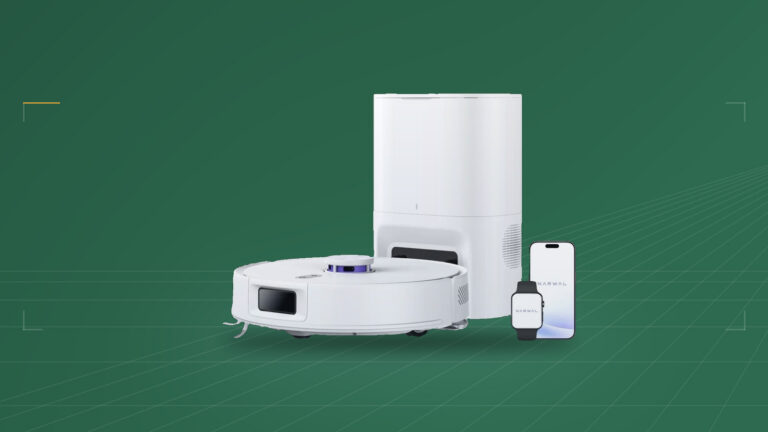
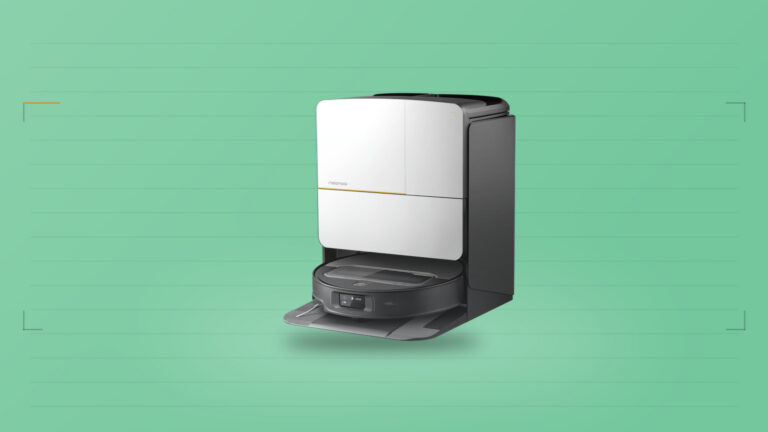
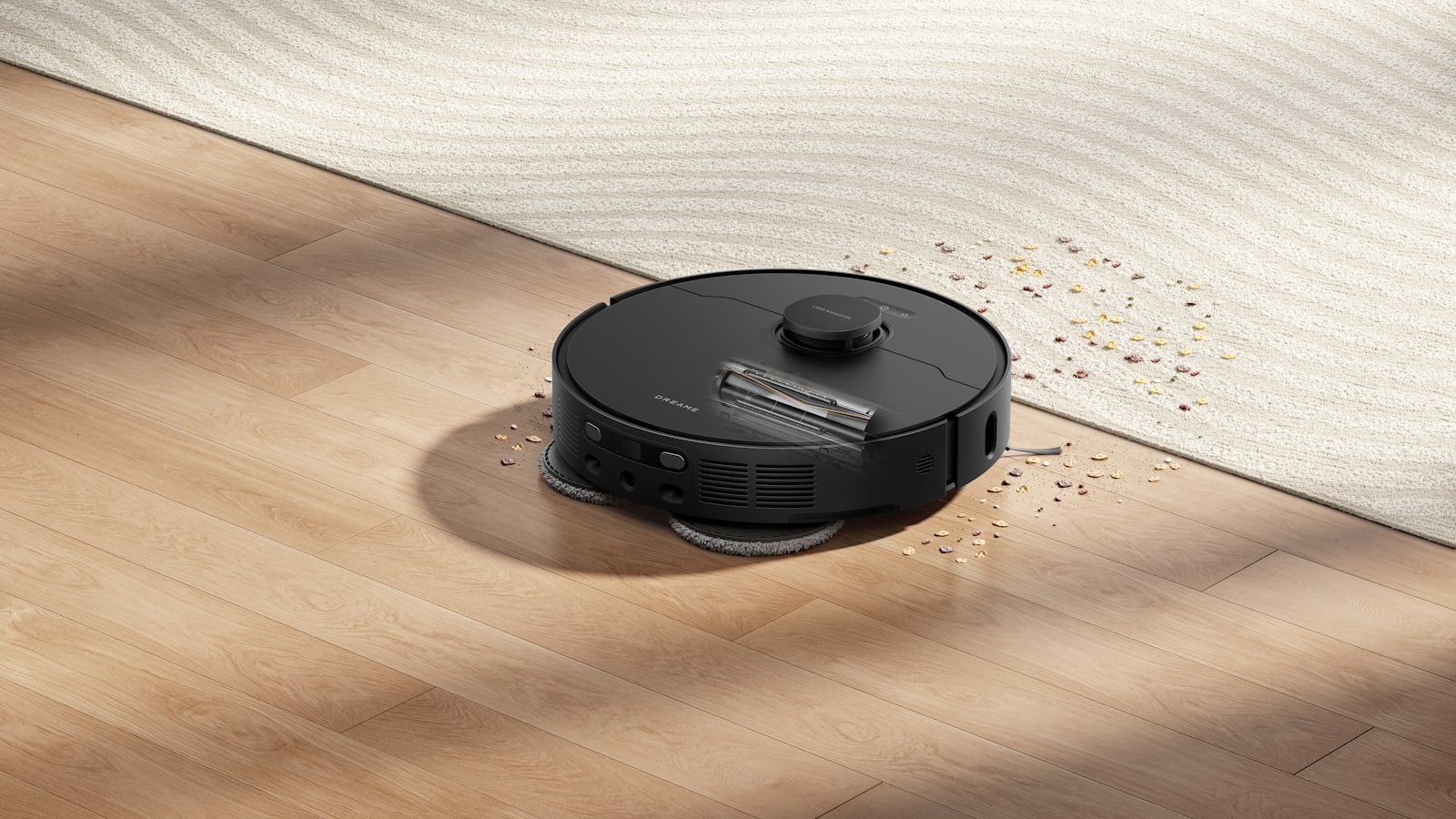
Robot vacuums plateau at Level III because they depend on a mapped indoor environment. Move a vacuum to a new home and the first run behaves closer to Level II until the map is rebuilt. Add an unfamiliar obstacle mid-run and path-planning often degrades. Competence is conditional on the environment matching prior experience.
RTK lawn mowers reach Level IV because absolute positioning removes that dependency. A robot operating from real-world coordinates can handle a yard layout it has never seen, weather outside its prior history, and grass conditions that were not in its training data. That is a genuine capability. It is not Level V.
Closest to the ceilingThe robots that get nearest
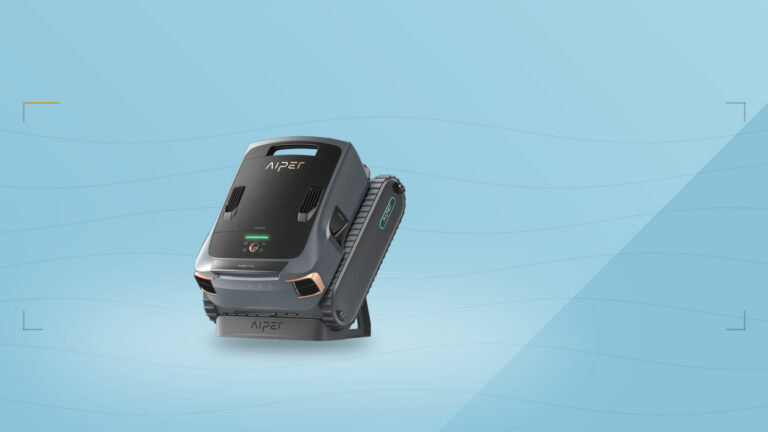
Both of these RTK mowers operate reliably in novel outdoor environments within a fixed task envelope. They represent the practical ceiling for consumer autonomy in 2026. The robot still mows; it does not also weed, edge, or rake when those become the relevant tasks.
Level V robots
0
of consumer robots reach Level V autonomy in 2026
What it would takeThe technical bar for Level V
Level V requires capabilities consumer robotics has not yet integrated in deployable form. The robot must complete tasks it was not specifically trained for, recover gracefully when something unexpected occurs, and transfer skills across domains without retraining. None of those requirements have been solved at consumer scale.
Foundation models in robotics research, including RT-2, OpenVLA, and Figure’s Helix, are starting to move toward these capabilities. None are deployed at consumer scale. The research-to-product pipeline for embodied AI is measured in years, not months, and lab success rates rarely survive contact with varied households.
Why it looks closerThe gap marketing creates
Two patterns make Level V look nearer than it is. The first is curated demos. A foundation-model robot performing a novel task once on stage is not the same as a deployed robot performing that task reliably across thousands of households. Demo success rate and deployment success rate often differ by orders of magnitude.
The second is anthropomorphism. A humanoid robot that picks up a cup and walks across a room looks like it could do anything, because a human in that situation could. The Ladder does not reward shape. A humanoid that appears capable of Level V may classify at Level I if its motion is teleoperated.
Practical implicationThe Ladder is tiers, not a slope
The Autonomy Ladder is not a slope every robot is climbing. It is a set of distinct tiers with clear definitional boundaries. A robot can ship a major firmware update and stay at the same level if the update does not widen the environmental envelope. Smaller, cheaper, and more reliable are real improvements. They are not the same as a higher tier.
When a manufacturer claims fully autonomous, the useful questions are: under what conditions, with what failure rate, recovering from what kinds of novelty. The answers will almost always reveal a Level III or Level IV robot performing well within its envelope. That is a worthy capability. It is not a robot that can be sent into an unfamiliar household and expected to handle whatever comes up.
No consumer robot classifies at Level V in 2026. The tier is not empty because the engineering is unimpressive; it is empty because the definitional bar has not been cleared. That distinction is what keeps the framework strict.