Analysis
What Does the Roborock S8 MaxV Ultra’s 85 Robovations Score Actually Measure?
A two-year-old robot vacuum with a weekly chore list of filters, nozzles and dock bags just moved from a 72 to an 85 with no hardware change at all. The shift traces to nine specific inputs, not a general uplift, and one of them, how often the robot needs rescuing, sits twenty points below every other number on its record.
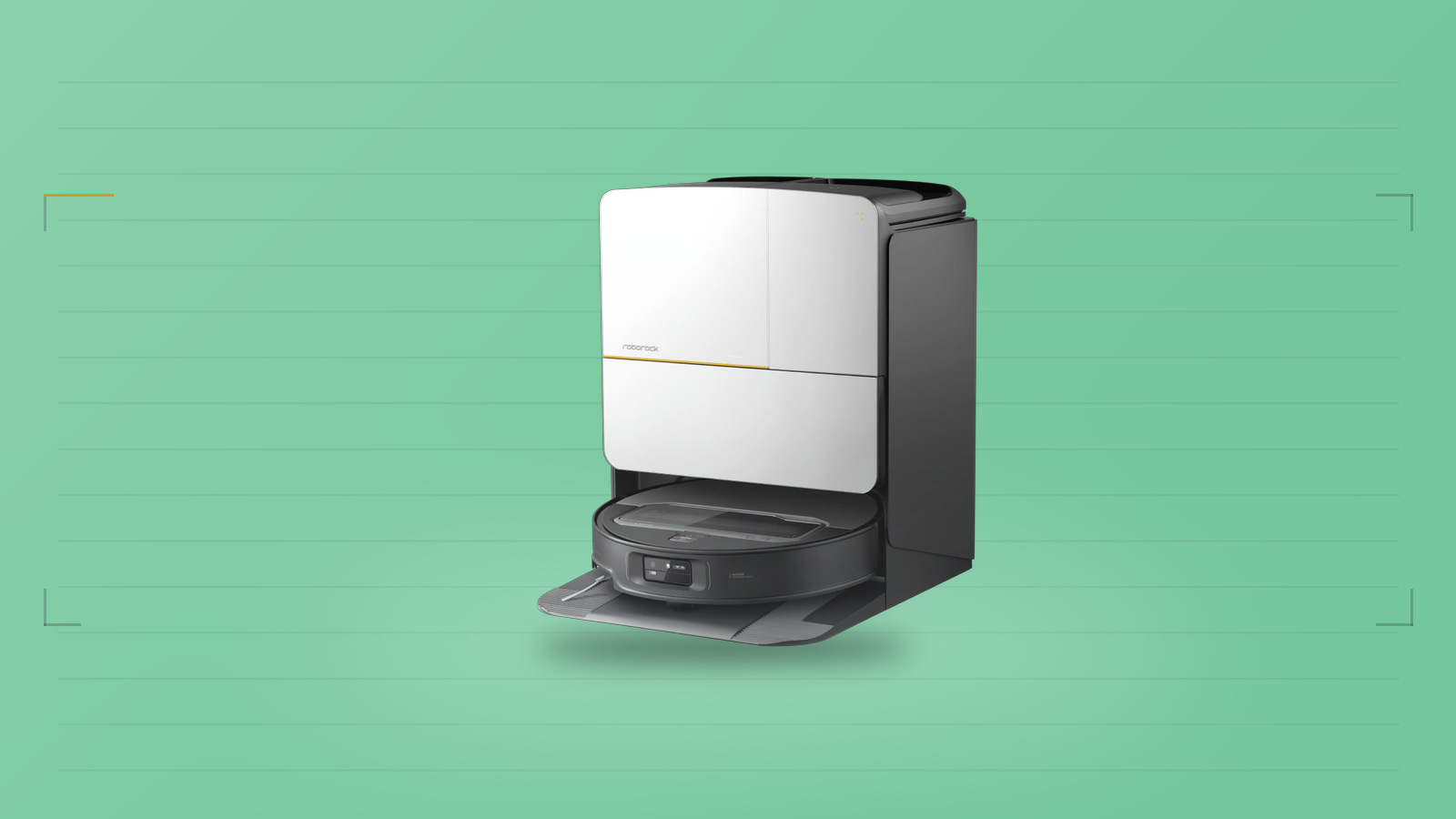
The Roborock S8 MaxV Ultra has been on sale since April 2024, priced at a $1,799 launch MSRP and selling today for roughly $1,144. It carries a Robovations Score of 85, placing it in the Exemplary band, the highest classification this site issues. Nothing about the physical robot changed to produce that number. What changed is how the number gets built.
Two years of ownership evidence sit behind the record: an iFixit teardown, a firmware changelog running from launch through mid-2026, bench tests, and owner reports describing a dock routine that reads more like an appliance manual than a gadget review. Reading the nine inputs behind the 85, rather than the single number, is the only way to see what the score actually rewards, and where the classification still holds something back.
Same hardware, different mathTwo Scores for One Unchanged Robot
Robovations retired its original scoring model in 2026 after finding that averaging five loosely related dimensions, autonomy, reliability, maintenance, value and privacy, into one number canceled out the signal it was meant to carry. On this record, that retired model produced a 72, still stored as score_overall but no longer published anywhere on the site. Autonomy and privacy pulled in opposite directions under that model, so a robot’s own strengths could cancel each other out inside one number rather than adding up. The current model, version 4.2, replaced it with three pillars built from evidence-backed inputs: Capability, Dependability and Burden. Value and privacy are still tracked, just no longer folded into the composite.
That structural change, not a reassessment of the hardware, is what moved the number from 72 to 85. The robot Roborock shipped in April 2024 is the same robot NYT Wirecutter and Lifehacker have been living with since. What changed is which of its documented behaviors count toward the score, and how heavily each one gets weighted against the others.
Robovations Score, v4.2
85/100
Composite of nine evidence-backed inputs across Capability, Dependability and Burden. Value and privacy are tracked and published separately, never blended into this number.
Three pillars, not fiveWhat the 85 Is Actually Built From
Capability, Dependability and Burden are weighted 40, 40 and 20 percent in the composite, and each pillar averages a handful of inputs that carry their own weights inside it. Capability blends task completion, coverage and navigation, edge-case recovery and the operating envelope. Dependability blends failure rate, software stability and support longevity. Burden blends routine maintenance and consumables. Every input on the record carries a citation, an evidence line naming a specific outlet, teardown or owner thread, rather than a vendor spec sheet restated as fact.
The pillar scores land at roughly 78 for Capability, 93 for Dependability and 84 for Burden, an unusual shape for a robot vacuum: this is a record where the machine is trusted more than it performs. Dependability, built from two years of firmware history and an independent teardown, is the strongest of the three by a wide margin. Capability, the pillar that actually measures whether the robot finishes what it starts without help, is the weakest of the three. In practical terms, evaluators trust the hardware to keep running and updating without failure more than they credit it with finishing every individual cleaning run unattended.
Retired name, current modelA Discontinued Line Name, Not a Discontinued Robot
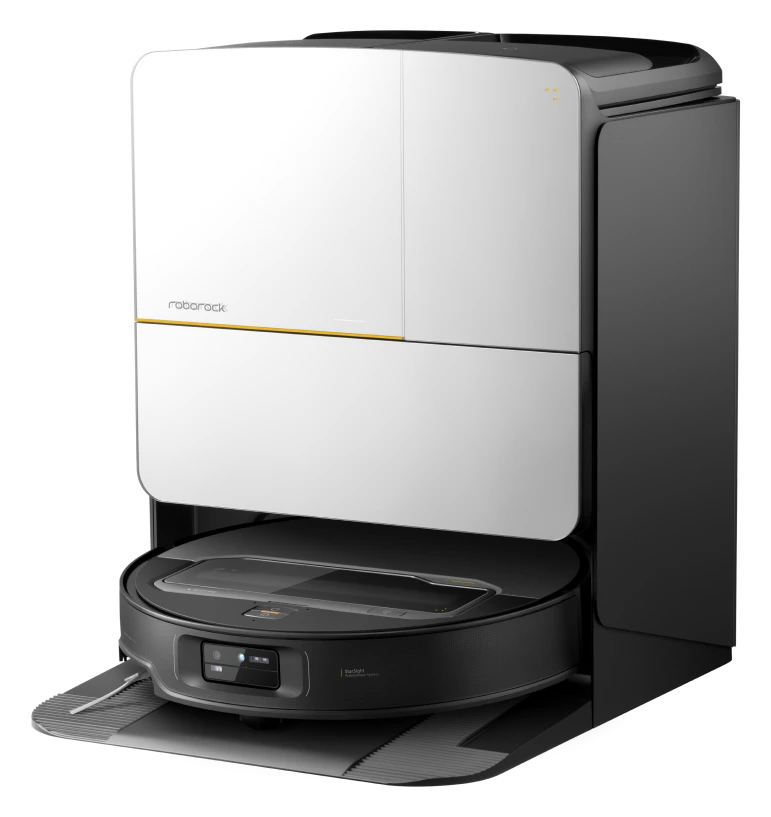
Roborock retired the S-series name at CES 2025; there is no S9 MaxV Ultra and no newer model carrying this exact designation forward. The S8 MaxV Ultra itself was not discontinued and remains a current global retail product, which Robovations records as a line rename rather than a replacement. That distinction matters for Support Longevity: a maker’s commitment to spare parts, consumables and firmware attaches to a live SKU here, not to a name nobody sells anymore. Robovations treats a rename as continuity rather than a break, and a discontinued name paired with a still-current SKU is exactly the case the methodology is built to tell apart from an actually orphaned product.
Two years of scrutiny, one soft spotWhere the Composite Earns Its Number, and Where It Doesn’t
Dependability’s 93 rests on specifics, not tenure alone. Roborock’s own firmware changelog lists six entries running from the April 2024 launch through June 2026, and the record states those updates delivered incremental obstacle-detection and dock-reliability gains rather than regressions. An iFixit teardown of this exact model, plus a separate community teardown of the dock, gives the hardware outside scrutiny beyond Roborock’s own claims. No recall, no systemic defect, and four documented failure modes, dock lint buildup, mapping drift after 50-plus cycles, calibration loss after a dock move, and brush jamming in pet homes, all owner-fixable and none of them job-stopping.
After eight months of ownership, the reviewer still recommends the S8 MaxV Ultra, describing sustained suction, no dock reliability issues, and no disadvantages worth naming.
Reported by Lifehacker, eight-month long-term review
NYT Wirecutter reached a narrower conclusion after a month with the plumbed Refill and Drainage version: the self-emptying bin and the self-washing, self-drying mop genuinely make the space between cleaning runs hands-off, but the robot still falls short of running with no need for the owner to touch or think about it at all. Coverage and navigation score 100 on the strength of four saved floor maps, unlimited room zones per floor, and owner reports confirming 8 to 12 room partitions with no performance loss. Edge-case recovery is the lowest input on the entire record, at 62. None of the four documented obstacle-detection edge cases reported by either outlet reads as a single catastrophic failure; each is a recoverable interruption within an otherwise completed cycle, which is the distinction the Edge-Case Recovery input is built to isolate from a robot that simply stops working.
Over a month of testing, the S8 MaxV Ultra still needed rescuing on roughly 10 percent of its runs because its AI vision system missed or misidentified obvious obstacles, and the reviewer found it could not be trusted to finish a run unattended.
Reported by NYT Wirecutter, robot vacuum review
Operating envelope lands at 75 for a related reason. Modern Castle’s bench tests found 100 percent edge and crevice pickup at the wall line, but recorded pickup falling off on thick high-pile carpet, where the robot’s own weight compressed the pile enough that larger debris struggled to reach the collection roller. Both limits are documented, bounded and specific, not open questions, which is exactly why they lower an input instead of blocking the score entirely.
What the dock takes off your handsThe Burden Pillar, and What It Leaves Out
Burden scores 84, built from routine maintenance at 84 and consumables at 83, weighted 60/40. The dock does real work here: it empties into a 2.5-liter disposable bag, washes and dries the mop pads in heated water, doses detergent automatically, and senses how dirty the pads come back before deciding whether to rewash them. The dock also senses when pads need a second wash rather than running a fixed cycle regardless of soil level, which is the kind of conditional automation the Routine Maintenance input rewards over a dumber, always-on equivalent. None of that needs the owner’s attention on a normal day.
Term
Burden pillarMeasures the recurring, hands-on work a robot still requires after purchase: routine tasks and the consumables that repeat. It is not a convenience score; a robot with automated maintenance and low, predictable running costs scores high here even if its day-to-day cleaning performance is unremarkable.The record is specific about what remains manual. After every run, the owner empties the mopping water tank and rinses the mop tray. Weekly, the dock filter gets washed and hair gets cleared from the main brush and the FlexiArm side brush. Monthly, the spray heads, wash tray, LiDAR window and camera get wiped down with water only, since vinegar or descaling acid attacks the dock’s pump and seals.
None of that maintenance list touches the 85. Neither does price, and neither does privacy. Roborock’s own product page and the record’s data-collection summary both describe maps and camera images syncing to Roborock’s cloud servers as part of normal operation, with no user-facing local-only mode; the site carries that as a separate privacy figure, 52 out of 100, shown alongside the score rather than blended into it. The Level III classification the record carries is unaffected either way: readiness and autonomy level are judged on capability and evidence separately from the score, and neither the retired 72 nor the published 85 has ever changed which rung this robot sits on the Autonomy Ladder.
The 85 states what two years of firmware history, an independent teardown and a documented rescue rate add up to under one methodology. It does not state whether a weekly dock routine and cloud-linked maps fit a given household, which the record leaves to the reader.