How high can the Dreame X60 Ultra Extreme climb over a threshold?
The X60 Ultra Extreme advertises a 3.9 in climb, an unusually tall figure for a robot vacuum, in a line that also names a smaller 2 in number most marketing skips past. The two describe different obstacle shapes, and only one of them is the one a typical home's doorway sills and balcony tracks actually put in the robot's path.
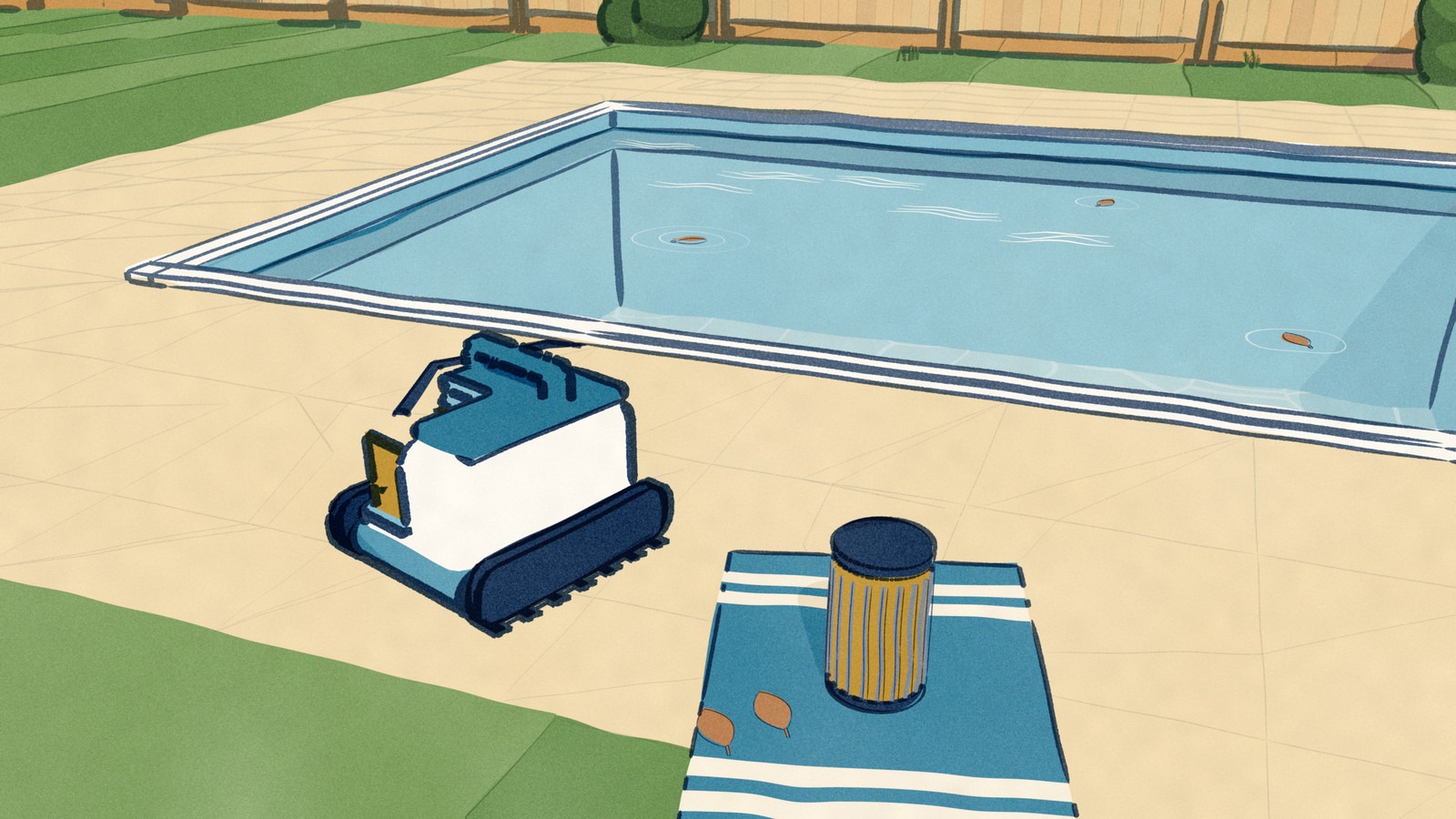
Dreame’s announcement for the X60 Ultra Extreme, the company’s flagship robot vacuum for late 2026, leads with a number for how high it climbs. Its ProLeap Obstacle Crossing System clears, in Dreame’s words, “single layer obstacles of up to 2 in and double-layer obstacles of up to 3.9 in, subject to specified obstacle dimensions.”
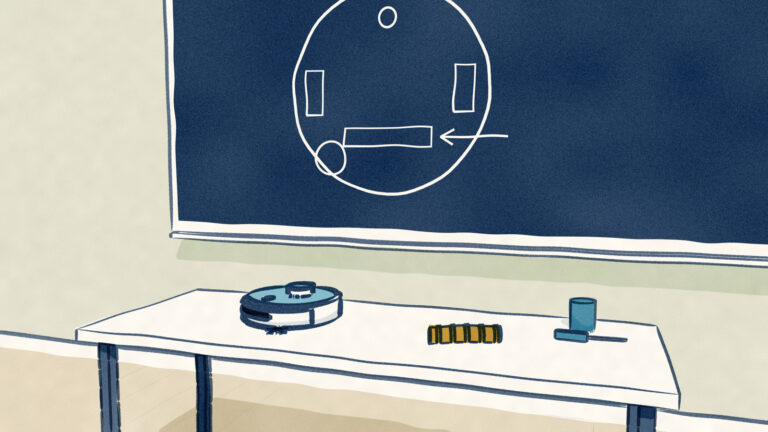
The 3.9 in figure leads the marketing, but the same line names a smaller one, and the two describe different obstacles. A single-layer obstacle is a single vertical rise: the raised bar of a doorway sill or a balcony track. A double-layer one is a two-tier step, one ledge above another, which the robot takes in two lifts instead of one.
For someone choosing the machine, the headline number hides a plainer question: which of those two obstacles does a real house actually put in the robot’s way? That decides whether 2 in or 10 is the figure that matters to you.
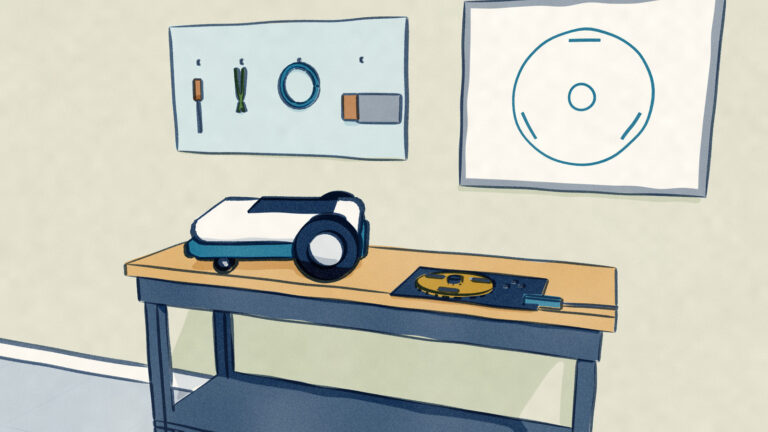
The X60 crosses on legs rather than wheels. It uses the same retractable-leg system as a stablemate, which Dreame calls FlexiAdapt and which launch coverage says “lifts the robot over double layer steps up to 3.9 in.” The LiDAR tower folds down so the body stands 3.5 in tall.
Which number your floor meets
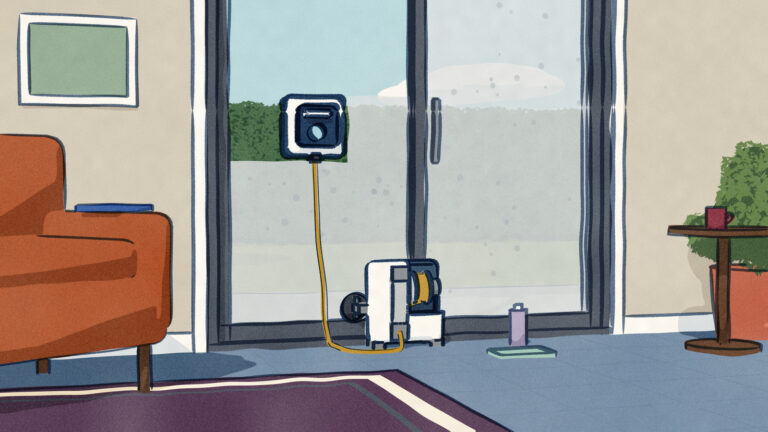
The single-layer figure is the one ordinary homes reach. A independent review of the Ultra Extreme ran it at balcony tracks and doorway sills, the raised edges a robot meets between rooms, and watched it cross them again and again.
Across repeated attempts, the robot cleared the raised sections reliably even when it approached slightly off-centre or from the side.
The 3.9 in climb asks for more than height. A double-layer step needs a middle ledge wide enough for the robot to stop on between the two lifts, the “specified obstacle dimensions” the announcement does not spell out. An isolated tall object is a different problem.
A review of the related X60 Ultra, a lower-rated sibling whose single-step maximum is 1.8 in, shows where the legs stop: the robot cleared a roughly 1.6 in transition between two rooms, but a 2 in nail left on the open floor “stopped proceedings.”
So before the 3.9 in number means anything to you, measure the sill between your rooms. Most are a single edge two or three centimeters high, which the X60 takes without drama. The full climb arrives only where a home has a genuine two-step threshold for the legs to walk up.