How do robot vacuums keep their wet mop off the carpet?
A robot vacuum-mop cleans tile and carpet in one pass, so its wet pad has to clear the rug before it drags. Makers do that two ways.
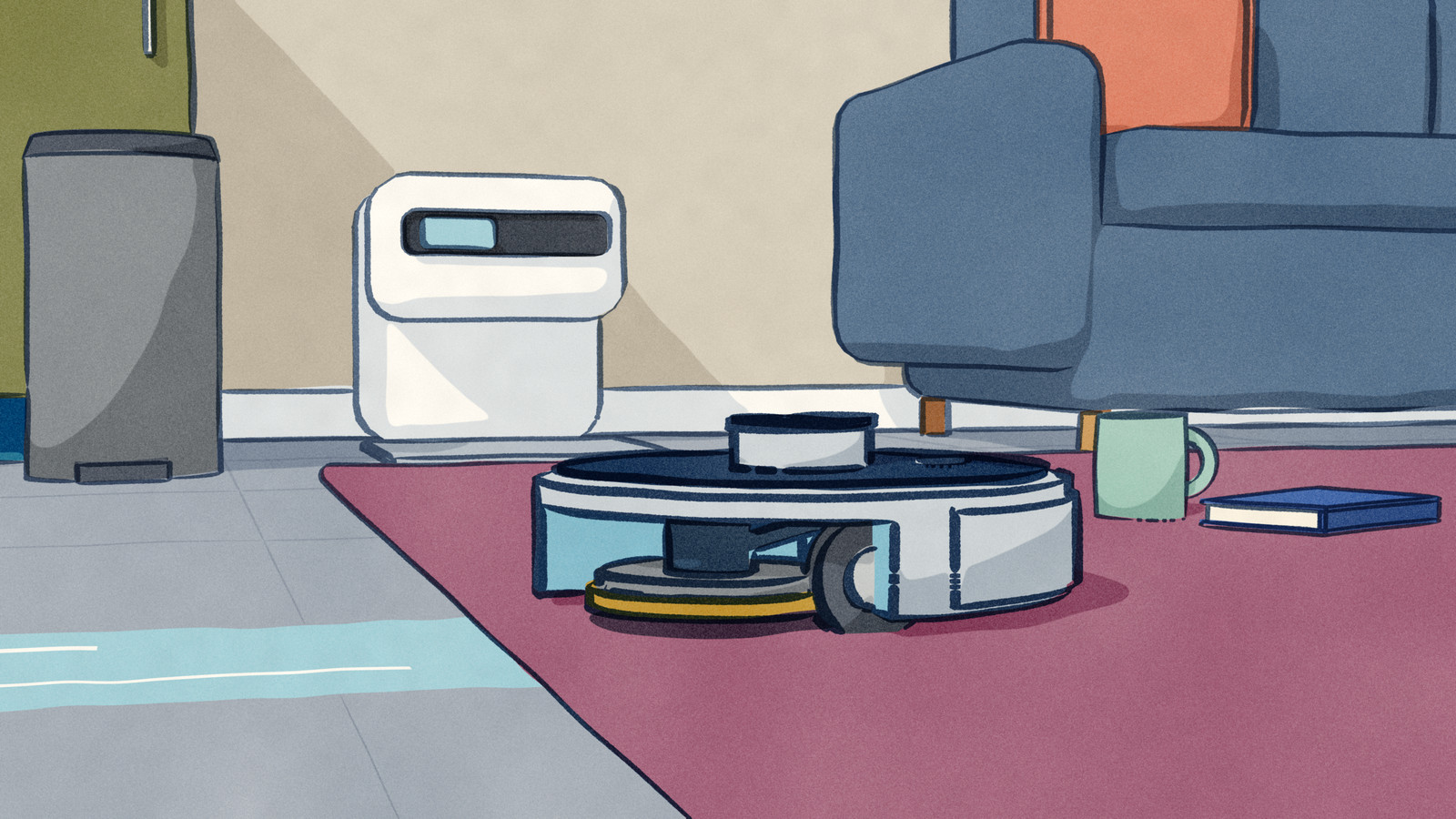
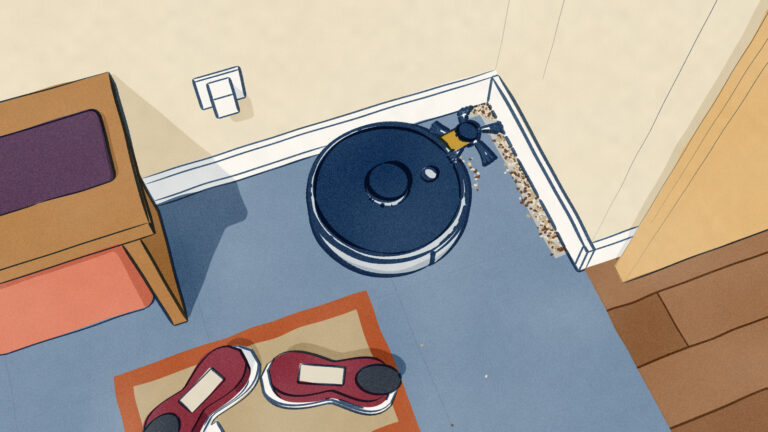
A robot vacuum finishes a stretch of kitchen tile with its wet pad still turning underneath, pivots, and rolls toward the living room rug. The next second or two decides whether the rug stays dry or takes a damp, dirty line along its edge.
A combination vacuum-mop cleans hard floor and carpet on the same trip, and the carpet edge is where the two surfaces meet. The pad that scrubs tile is the last thing a rug wants pulled across it, so a mixed-floor home hits this on every run.
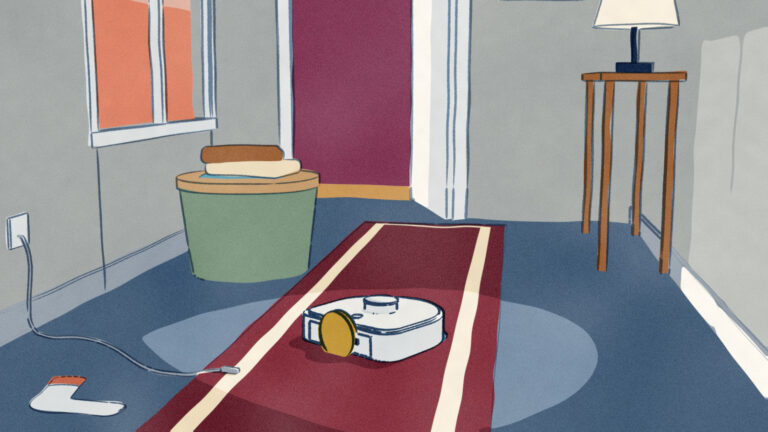
Makers answer it two ways. Most flagships detect the carpet and raise the mop plate a short distance, roughly a centimeter, then keep vacuuming with the pad held above the pile. A smaller group is blunter about it: the robot returns to its dock, drops the pads entirely, and comes back to the carpet bare.
The lift-and-hover approach is the common one, and an independent test in early 2025 found that only three of the robots it tried kept a high-pile carpet dry with the mop merely retracted. The rest marked the pile. A 2026 hands-on test of one lifter saw it raise its mops and keep them off the carpet rather than mop it, depending on the setting.
The lift is small by design. One current lifter is listed at about 0.41 in of carpet rise, which clears a thin rug cleanly. A deep, plush pile can stand as tall as that lift or taller, and then the raised pad still brushes the tips on the way across.
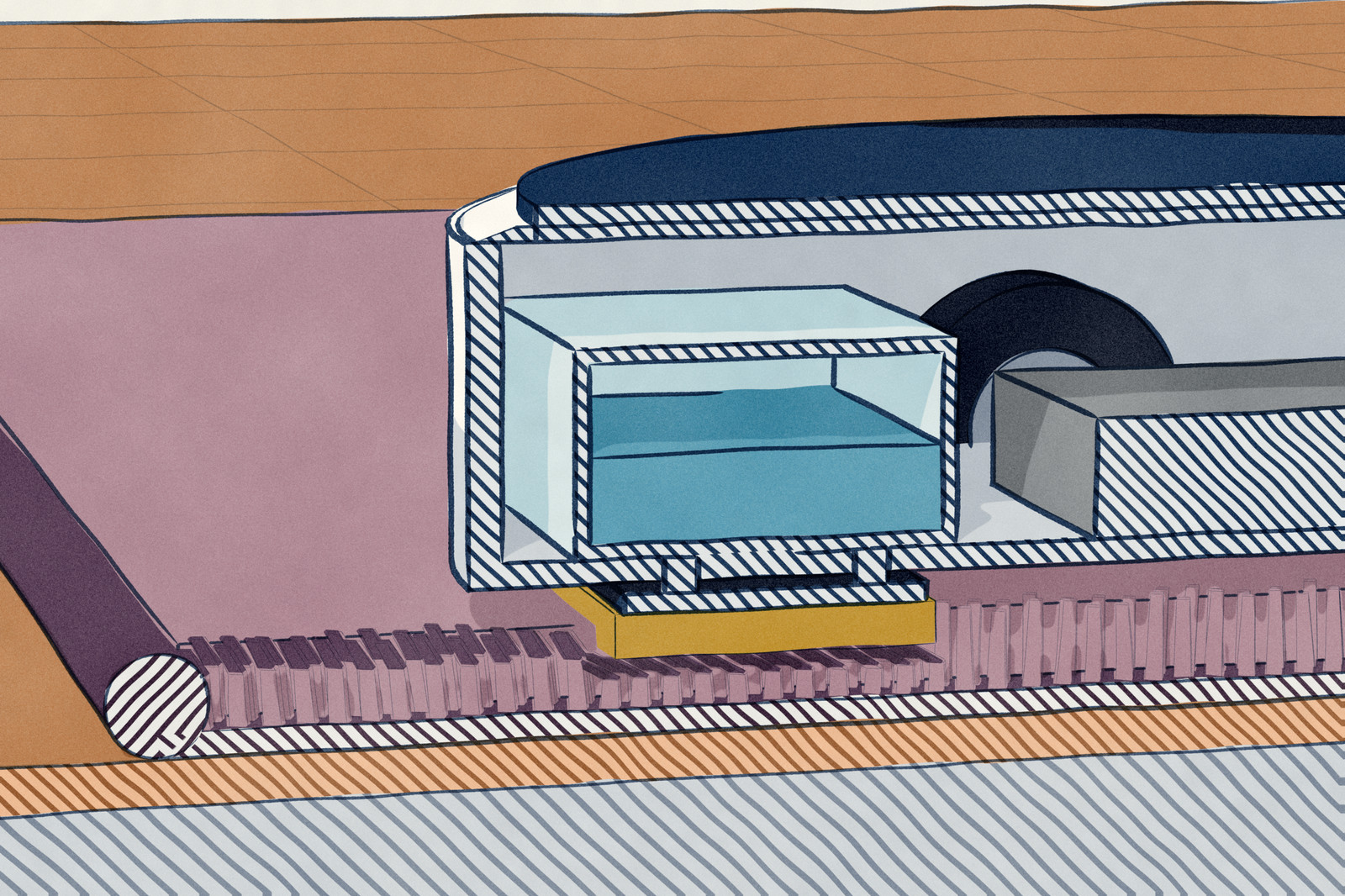
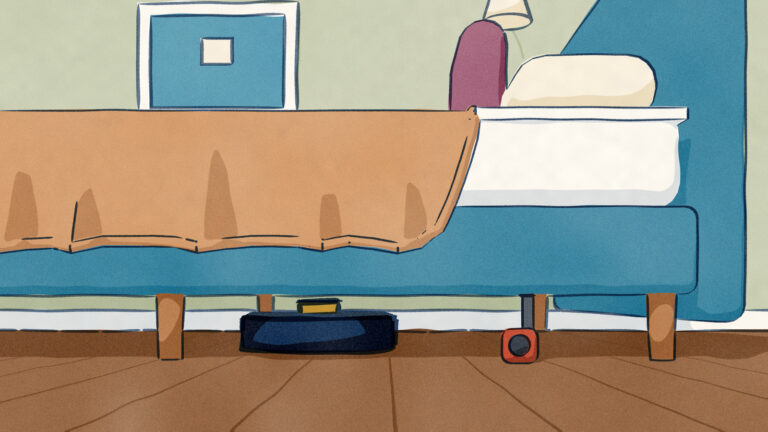
Taking the pad off removes the guesswork, since a robot carrying no pad cannot wet anything. The cost is time and a round trip to the dock. On some machines you set it per room in the app instead of leaving it to the sensor.
So which approach fits your home? It comes down to the rugs with real pile. A lifting mop clears the thin ones. For a plush rug, the robots that keep it reliably dry are the ones willing to leave the pad behind.