Does a steam robot vacuum steam your floor or just the mop?
Two new robot mops advertise steam at boiling point or hotter. Where the steam comes out decides what it cleans, and what it means for a wood floor.

Samsung’s Bespoke AI Jet Bot Steam Ultra has steam in its name. A robot mop Dreame announced in early September makes its own steam on board. Both makers sell the steam on hygiene. But it lands in two different places: on the mop pads, inside the dock, after the run, or on your floor while the robot is still cleaning.
So when a box says steam, which one are you getting? The answer decides what the steam can clean: the cloth that wipes your floor, or the floor itself. And if your floors are wood, the flooring trade’s own maintenance advice has something to say about both.
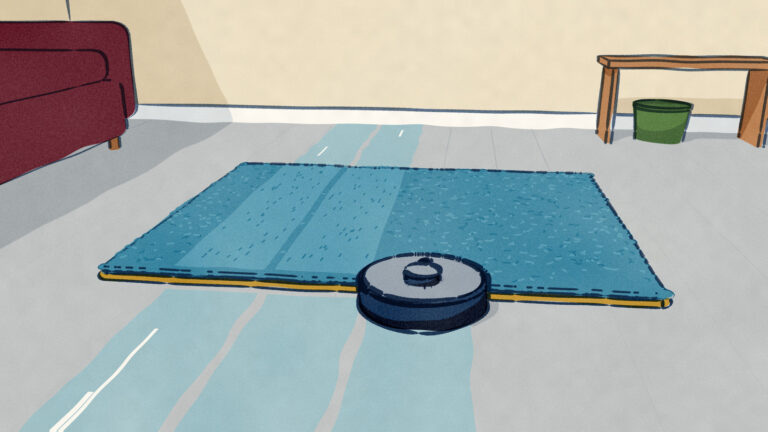
Samsung keeps its steam in the dock. When the Bespoke AI Jet Bot Combo parks at its Clean Station Steam+, high-temperature steam is sprayed onto its two mop pads as they spin, at a measured 212°F. Hot air then dries the pads and the cleaning plate.
Every steam step happens there, after the cleaning is done. The next run starts with a pad that was washed, steamed and dried at the end of the last one, and that pad is what wipes your floor.
Figure
What a steam station does between runs
- Clean water tankTops up the clean water tank
- Dirty water tankEmpties the dirty water tank
- Mop padsWashes the mop pads in a steam and water mix; sanitizes the pads with 212°F steam; dries the pads and cleaning plate with 131°F hot air
The hygiene claim belongs to the pads too. Samsung says third-party lab testing found the station eliminates 99.99% of three common bacteria, E. coli among them. If you’re in the US, read the footnote under the claim: “Not supported in the USA. Results may vary depending on the actual usage conditions.”
The Steam Ultra works the same way, whatever its name suggests. When Samsung teased it in February, one report said it “uses 212°F steam on its mops (not directly on your floor).”
Dreame aims its steam at stains during the pass
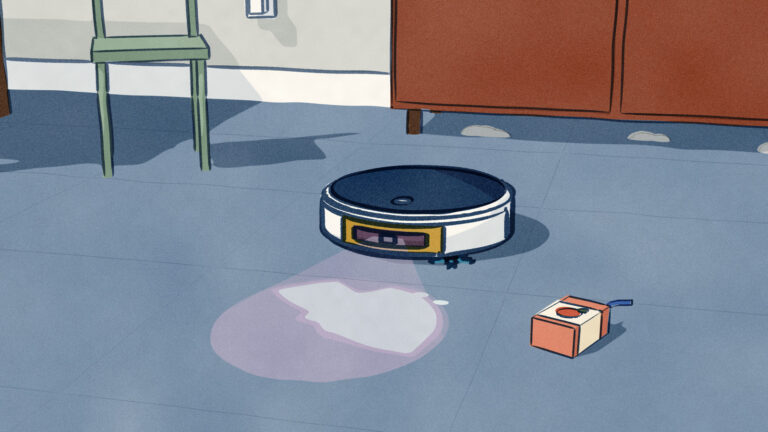
Dreame puts the steam source on the robot. Its Aqua20 Pro Ultra Roller X Complete has an internal system that produces steam at a core temperature of 356°F. Four outlets spray it onto dried-on stains to loosen them, and the robot follows with hot-water mopping.
On this machine the steam reaches your floor, during the pass itself. The hygiene figure travels with it: a 99.999% bacteria-removal rate for the whole process, from third-party testing. On a real floor, even that figure comes with a caveat.
…real-world performance will depend on the surface, mess, cleaning mode, and other conditions.
Every figure here, from the temperatures to the stain claim, comes from Dreame. The reviewers who reported it want a retail unit in their studio before they judge how the machine performs.
What the wood flooring trade body advises
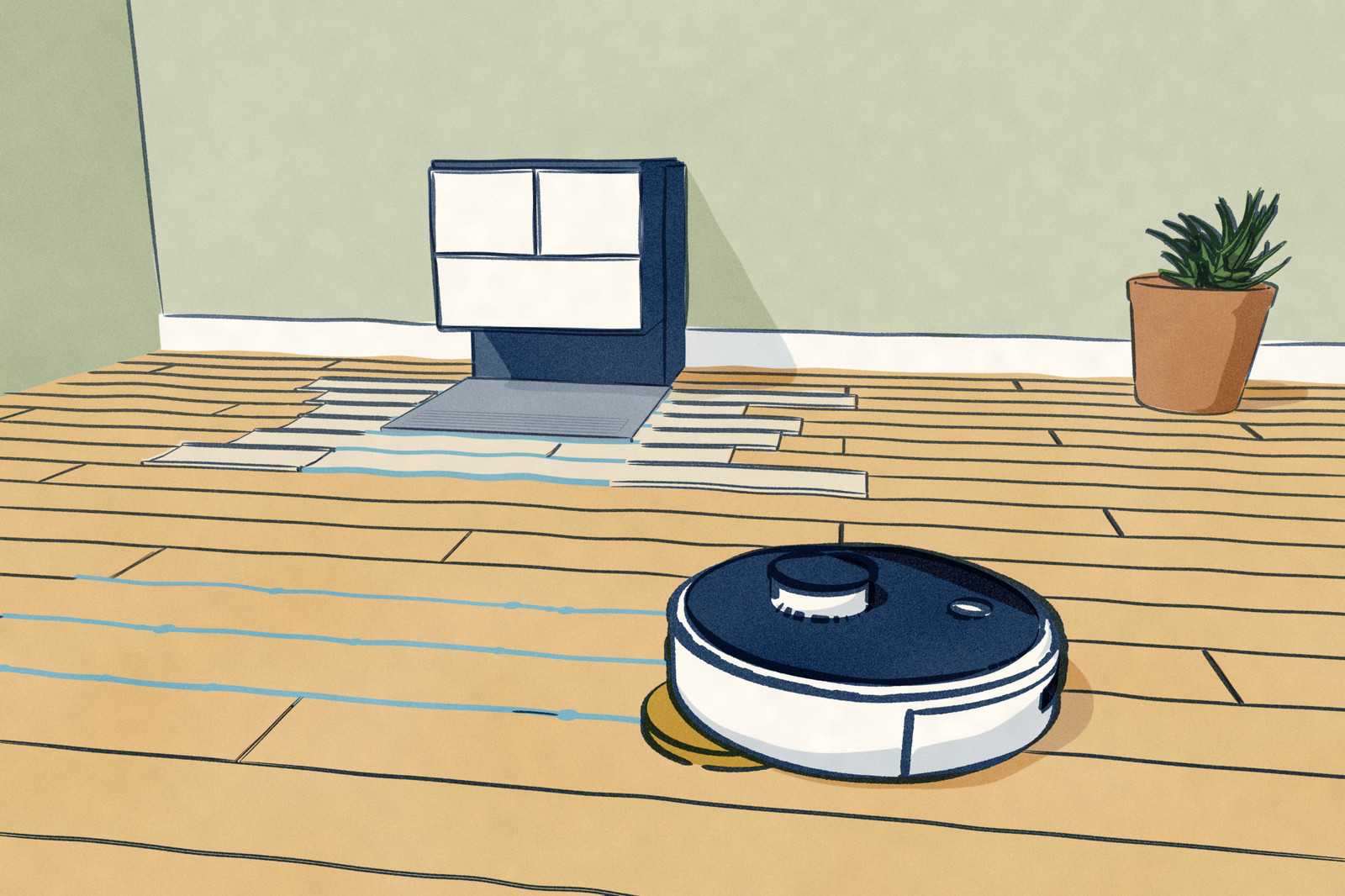
One line of advice reaches both machines. The National Wood Flooring Association’s maintenance guidance says: “Don’t use wet mops or steam mops, which will damage the finish and the wood over long periods of time.”
So does a steam robot steam your floor? Samsung’s don’t. Their steam cleans the pads in the dock, so what it buys you is a fresher pad, and the 99.99% claim stays with that pad. Dreame’s Aqua20 does, spraying steam onto stains as it cleans.
The trade body’s warning lands hardest on Dreame’s design. But it names wet mops as well, so it reaches Samsung’s too. A station that steams only the pads still sends a damp pad across the boards on every run, and a daily schedule repeats that exposure as often as the robot is set to mop.