How do robot vacuums know where the floor is dirty?
Shark, Roborock and iRobot all sell sensors that hunt for dirt mid-clean. What each one can sense sits closer to the robot than the label suggests.
On this page4 sections
Shark says its PowerDetect robot “sees even the hidden debris and automatically increases suction and cleaning passes to remove the mess”. The word carrying that sentence is sees. A robot vacuum has no way to glance across a clean-looking floor and know a patch of it is dirty before it arrives there.
What it has instead is a sensor that reacts the instant debris reaches it. Roomba vacuums have carried a version of this for years. iRobot calls it Dirt Detect, and on the floor it shows up as a robot that rolls over a spot, stops, turns, and works the same square of carpet two or three times before it moves on.
For you, that behaviour is the difference between a machine that cleans a room evenly and one that spends its battery where the mess actually is. So which sensor does the finding, what can it register, and what is the one kind of dirt none of them reach?
What the sensor in the robot can hear
The oldest form of dirt detection is closer to a microphone than a camera. A technical description of the hardware notes that most second and third generation Roombas carry acoustic sensors that let them “detect and focus on particularly dirty spots”. The same description notes that fourth generation and later models added an optical sensor in front of the dust bin for wider, lighter messes.
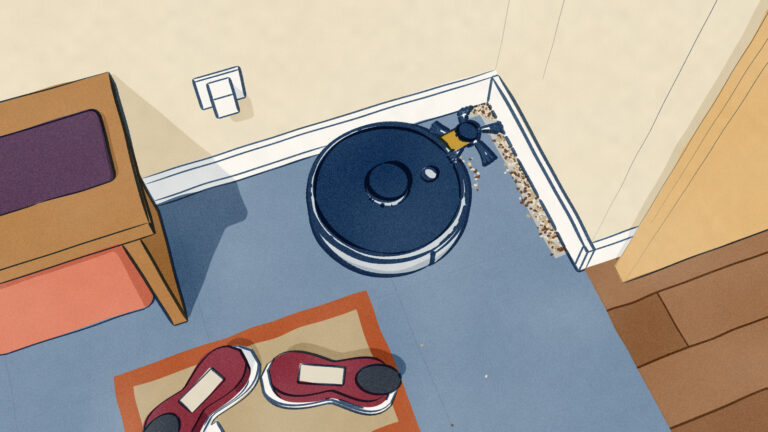
The physics of the first one is plain. Harder, smaller debris, sand, grit, dry cereal, makes a sharper and more frequent sound as it is drawn up the throat of the vacuum. When the rate of those impacts climbs past a set point, the robot treats the floor beneath it as dirty and tells the brush and the motor to go over the spot again.
Term
Acoustic dirt sensorAn acoustic dirt sensor is a small microphone or piezoelectric plate set inside the dust channel. It does not look at the floor. It counts the taps of particles striking it as they are pulled in, and reads a fast run of taps as a dirty patch underneath.The trouble is everything that arrives quietly. Pet hair, fine dust, a soft smear, all travel up the channel with barely a sound, so the acoustic sensor hardly registers them. The optical sensor added later watches for debris passing the bin rather than listening for it, which is how the newer machines catch the wide, light messes the microphone misses.
Shark folds the same idea into three labels, DirtDetect for the mess, FloorDetect for the surface and EdgeDetect for corners, which its product page groups as sensing “mess level, floor type, and edges & corners”.
The other sensor is in the dock, in the water
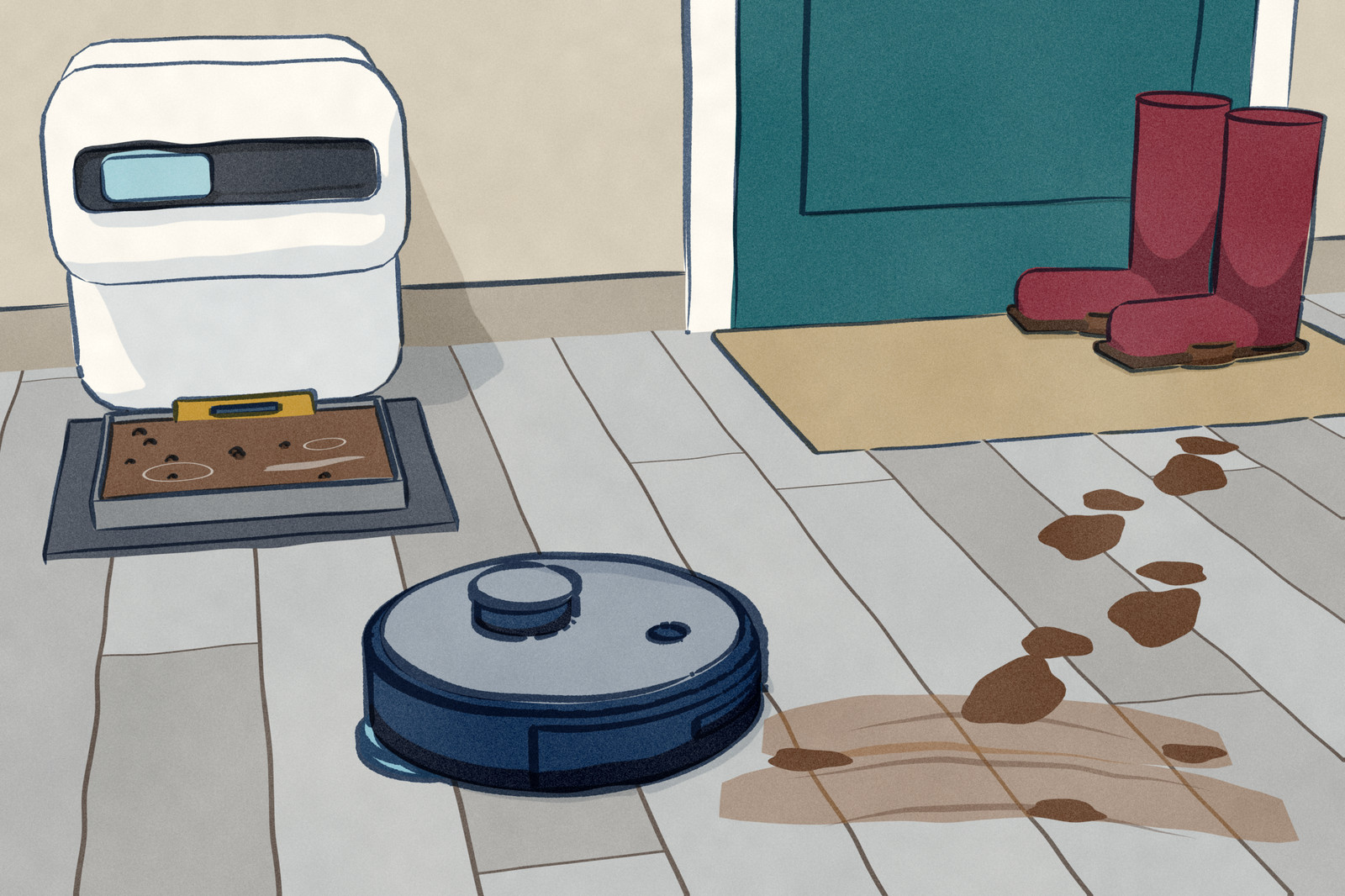
The most recent kind of dirt detection never touches the floor at all. It reads the wash water. On a vacuum-mop that cleans its own pads between passes, a sensor in the dock basin checks how dirty the water coming off the pads is, and uses that as a stand-in for how dirty the floor must have been.
Roborock builds a dirty-water sensor into the dock of its 2026 Saros 20 Flow, part of a dock that runs pressurized mop washing, so the machine judges the pads after a pass rather than guessing before one.
Dreame runs the logic one step on. On its recent machines a dirt-detection system “senses dirt in the dock”, and when the pads come back especially dirty the robot drives back to re-clean the exact area where the excess turned up.
Where a robot vacuum looks for dirt
| Machine | Where the sensor sits | What it measures | What it triggers |
|---|---|---|---|
| Roomba with Dirt Detect | In the dust channel | How fast particles strike the sensor | Extra passes over the same spot |
| Shark PowerDetect | Intake plus a floor-facing camera | Debris in the cleaning path | More suction and more passes |
| Roborock Saros 20 Flow | The dock wash basin | How dirty the pad water is | A re-wash of the pads and the floor |
| Dreame with CleanGenius | The dock | Soil on the returned pads | A return trip to re-clean the area |
The first two rows listen or look while the robot is driving. The last two wait until the pads are back in the dock. One kind judges a floor in real time; the other judges it in hindsight, once the water has told on it.
Both are sold under the same phrase, dirt detection, and a reader comparing spec sheets would not know they are two different mechanisms watching two different things.
Whether any of it finds dirt reliably is harder to settle than the feature lists suggest. In an independent test of the Saros 20, heavy soiling was usually caught before the robot carried it elsewhere.
heavy soiling was usually reliably detected by AI in the test
The caveat sat in the word usually, and in the same review’s separate note that the twin-pad dock did not stop dirty water from one area reaching the next.
A hands-on review of Shark’s PowerDetect was unhelpful in a quieter way. It described what the feature is meant to do without isolating what it did on a soiled floor, because the test measured overall pickup rather than the sensor’s own contribution to it. The claim is easy to print and hard to measure.
Shark’s UV light and what invisible means
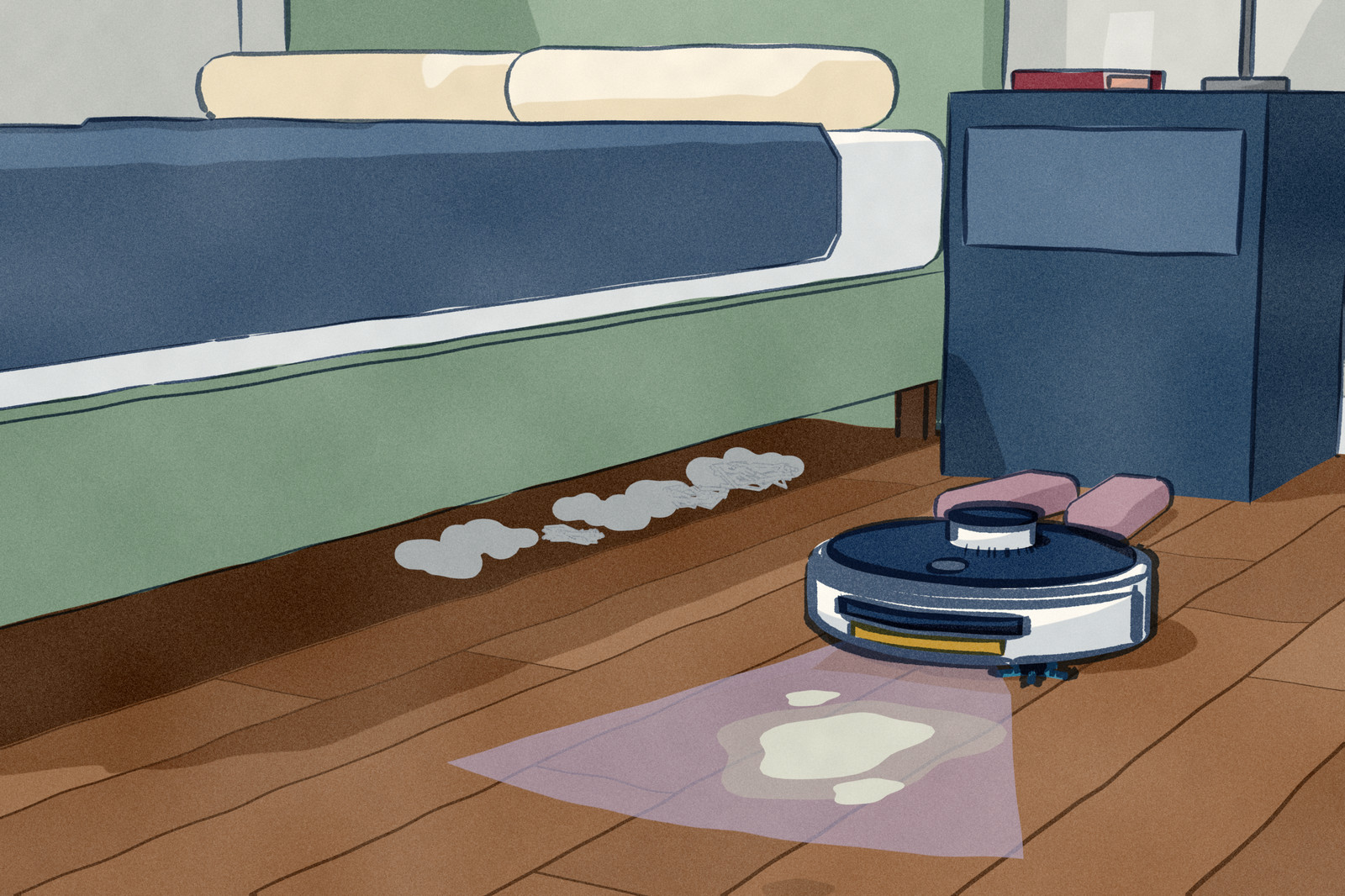
In March 2026 Shark pushed dirt detection past debris and dirty water into light itself. Its PowerDetect UV Reveal, announced on March 3, is billed in the company’s own words.
the first robot vacuum and mop that combines UV light detection with a RGB color camera to seek out hidden messes
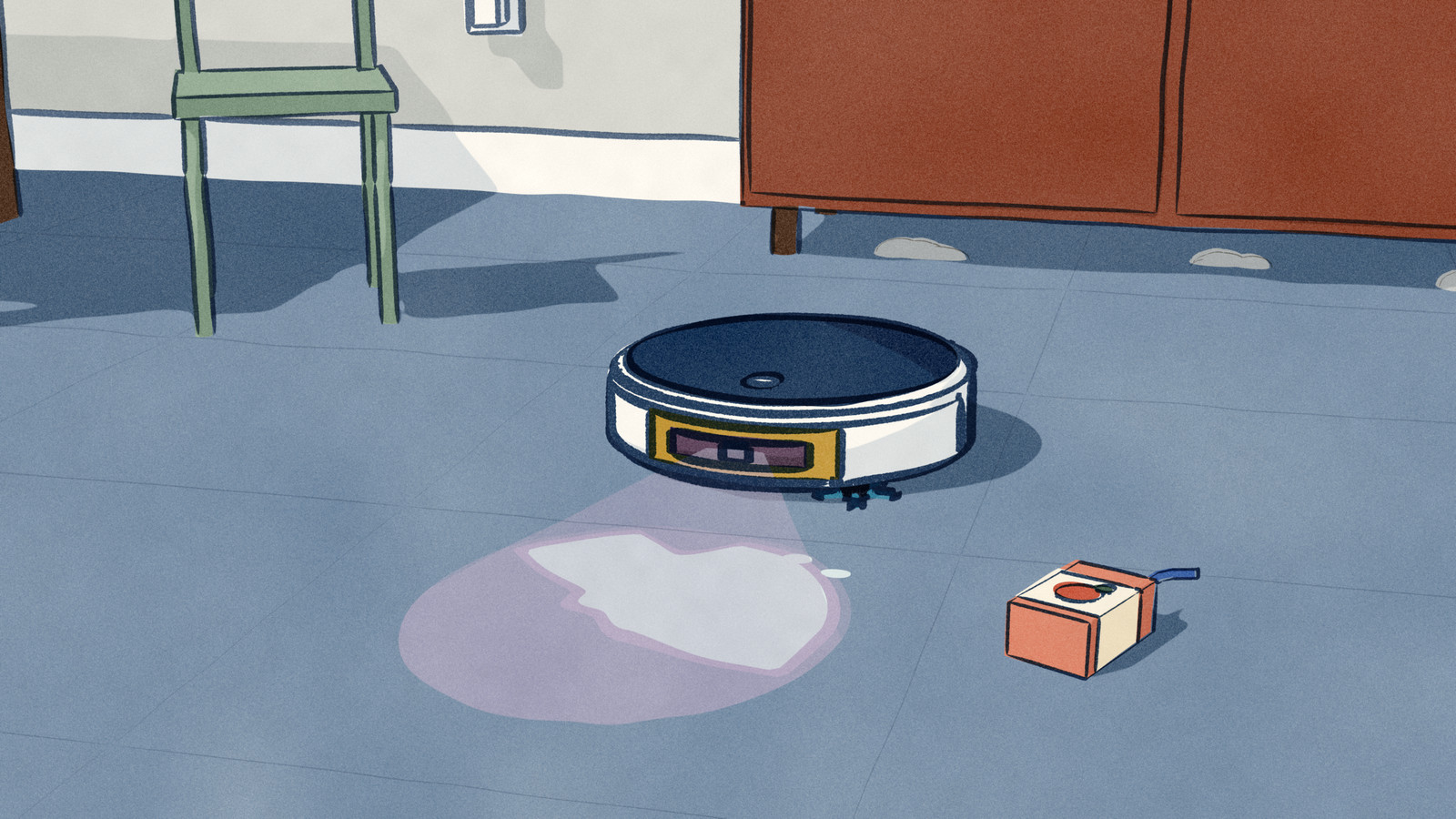
What ultraviolet light adds is a way to pick out residue the eye and the camera both skip. Independent launch coverage put the mechanism plainly: the UV lamp illuminates hard floors to reveal biological and sticky residues that are not visible under normal lighting.
So a dried juice spill or a pet accident on a floor that looks clean can be flagged and mopped. The same coverage noted a cost to the trick: the machine used a great deal of water doing it.
Term
UV stain detectionMany household residues fluoresce. The sugars in a dried juice spill, the proteins in urine or sweat, give off a faint glow when ultraviolet light lands on them. A UV lamp paired with a camera reads that glow as a stain, which lets it flag a mark the same camera cannot see in ordinary room light.The UV reveal is a real capability and a narrow one. The lamp only lights what the robot is already passing over, on the track it drives, and only residue that happens to fluoresce.
A dry drift of dust under a bed the robot never enters glows for no one. The reveal is a brighter version of the same boundary the acoustic sensor and the water sensor already run into.
What none of the sensors can reach
Line the four approaches up and they stop at the same edge. The acoustic sensor needs debris already in the airway. The optical sensor needs it already in the camera’s view. The water sensor needs it already lifted onto a pad. The UV lamp needs it already under the light. Every one of them sits downstream of the robot’s own path.
A dirt sensor reports the dirt the robot has already reached, not the dirt still ahead of it. So the machine cleans the lane it travels and the spot it rolls through harder than the rest, and it leaves the corner it skirts and the strip under the sofa it never crosses exactly as dirty as it found them.
Which puts the part of the job these sensors cannot do back with you, the one who decides where the robot is allowed to go. The dust the machine will find is the dust in its path. The rest waits under the furniture until somebody moves it.