Faraday Future’s new $2,490 humanoid robot is capped at 100 units for now
A humanoid robot now costs less than $2,500. The companies behind it control exactly who can buy the first ones, and how many.
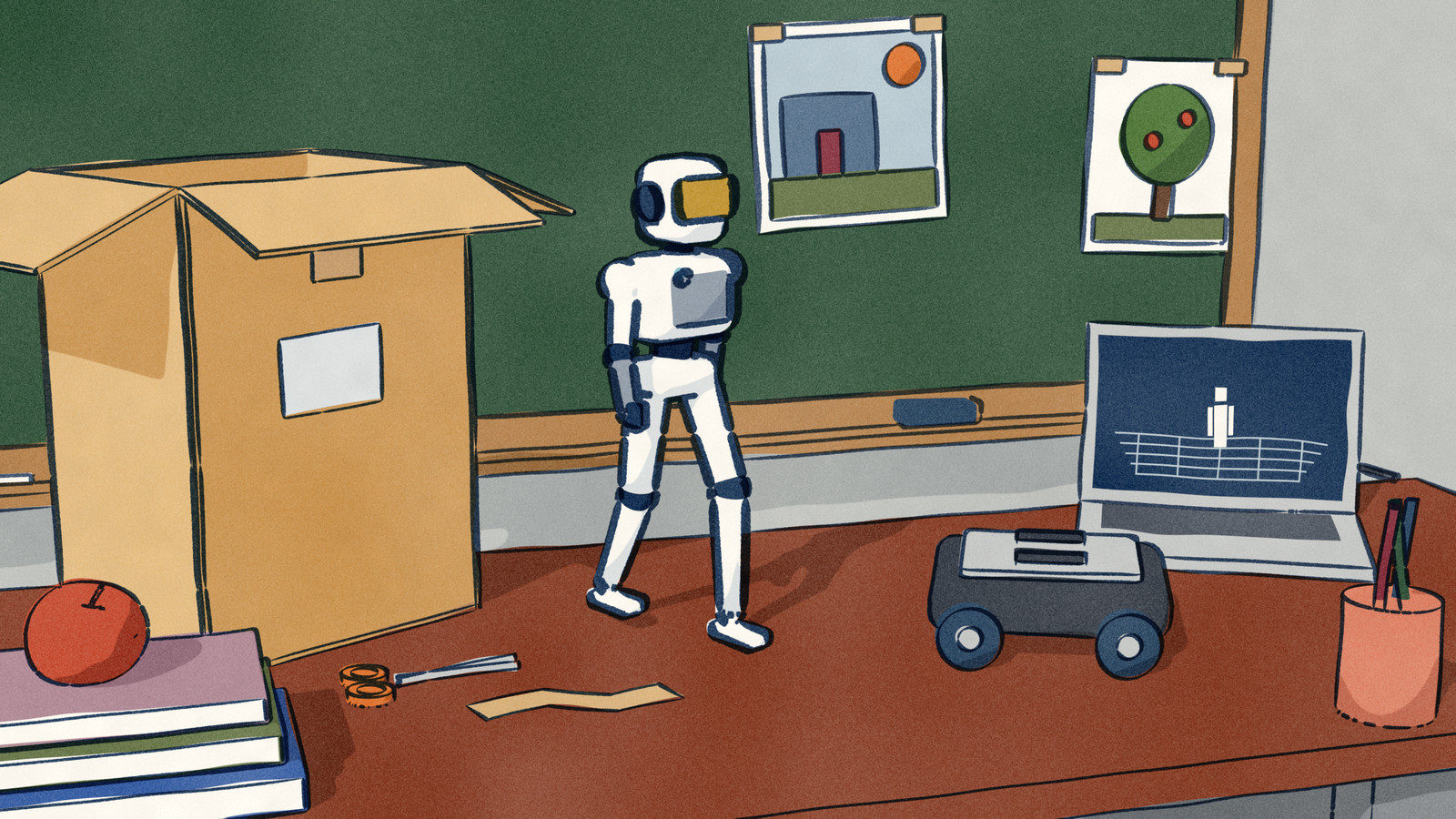
Faraday Future and FF EAI Robotics Ecosystem Inc. launched FF Nova on October 16, 2026. The companies call it the first embodied AI humanoid priced below $2,500 in the United States, in the launch announcement. Nova costs $2,490. A smaller companion, FF Nova Mini, sells for $299 and is built for children eight and older.
Nova stands 49.7 centimeters tall and weighs 2.8 kilograms, built from 20 joints across its head, arms and legs, according to the specifications the companies published. It carries a 2D LiDAR sensor, a wide-angle camera, a depth sensor and a three-microphone array that can localize sound.
Walking on two legs, it moves at 0.1 meters a second. Swapped onto its detachable wheeled base, it covers ground eight times faster, at 0.8 meters a second. It runs ROS 2 and ships with a software development kit. The companies say a Sim2Real pipeline lets developers train behaviors in Nvidia’s Isaac simulator before testing them on the physical robot.
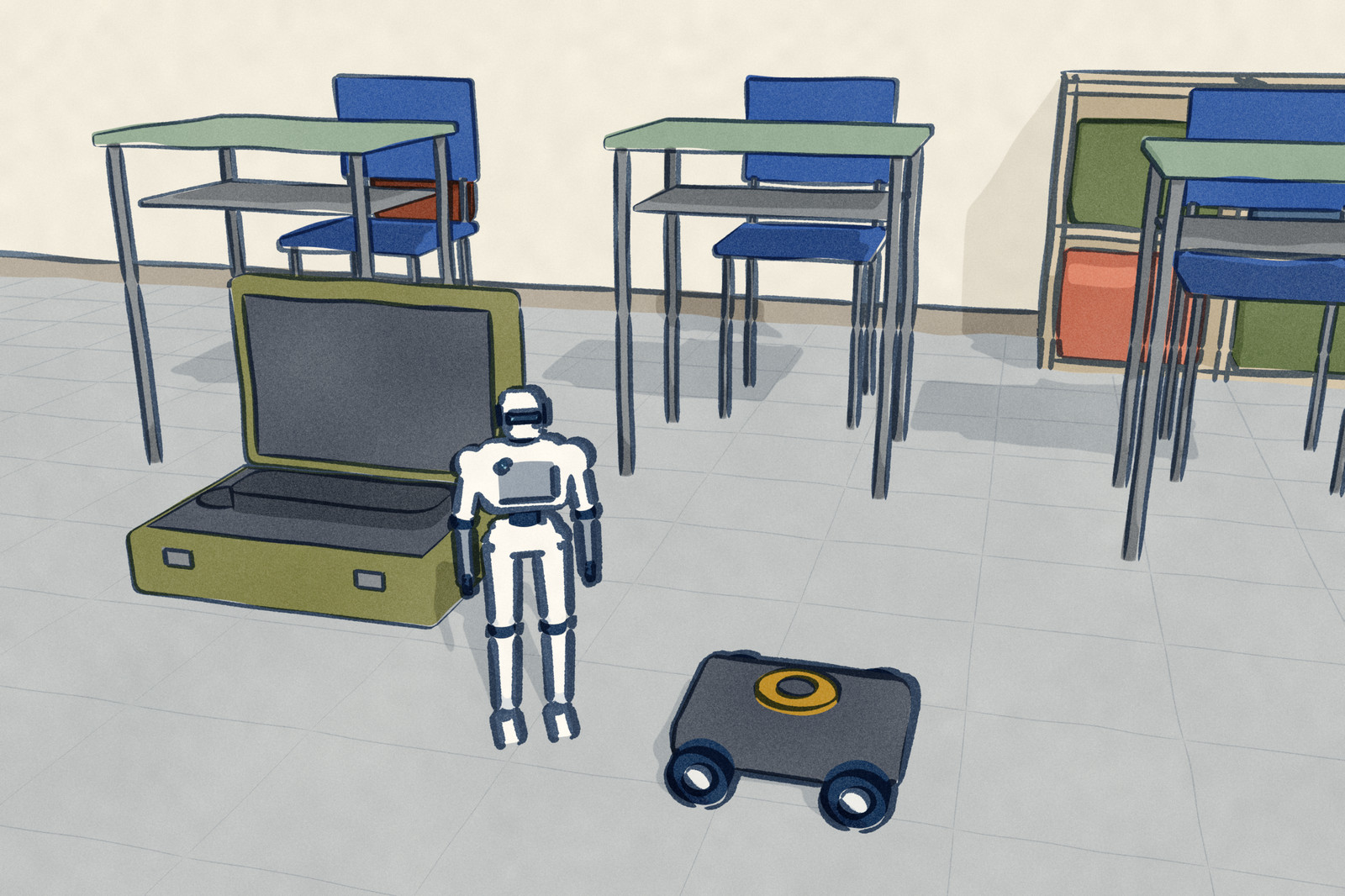
FF Nova Mini, at $299, is a smaller machine built around 17 servos rather than Nova’s larger frame. It is 34.9 centimeters tall and weighs under a kilogram. It recognizes more than 40 voice commands and ships with over 50 preloaded moves, the launch materials say. An optional $499 curriculum pairs it with 16 live classes over two months.
The launch is not an open sale. Faraday Future calls this Phase One: 100 invitation-only units, with the first 20 ready to ship immediately. Developers, universities and schools apply at developer.ff.com during a seven-day window, and FFR reviews each application before approving it.
FFR is also partway through a proposed $200 million deal to buy Faraday Future’s robotics unit outright, a transaction that has not closed.
The launch of FF Nova and FF Nova Mini marks an important step for FFR in bringing Physical AI from the laboratory to real-world applications accessible to developers, educational institutions, schools, and families.
Families are named in that statement, but Phase One’s purchase path is not open to them. Developers and schools get first access; a second phase widens that to more of each. A third phase is described only as the full consumer launch.
Every spec published this week comes from the two companies. FFR has published no independent benchmarks for how Nova navigates a room or handles an object. A price that low shows nothing yet about whether the robot does that work reliably.
An earlier version of the robot had already been seen in person. At a Chicago trade show in June, a reporter watched a Nova prototype walk, turn and demonstrate its balance alongside two other Faraday Future humanoids, in on-site coverage of the event. That in-person look came four months before pricing or final specs were set. Phase Three, the version meant for ordinary buyers, still has no date.