Roborock’s new steam mop says it kills 99.9999% of bacteria. The lab that ran the test was paid by Roborock.
A new combo vacuum-mop launches in South Korea this week claiming a near-total bacteria kill. Here is where that number comes from.
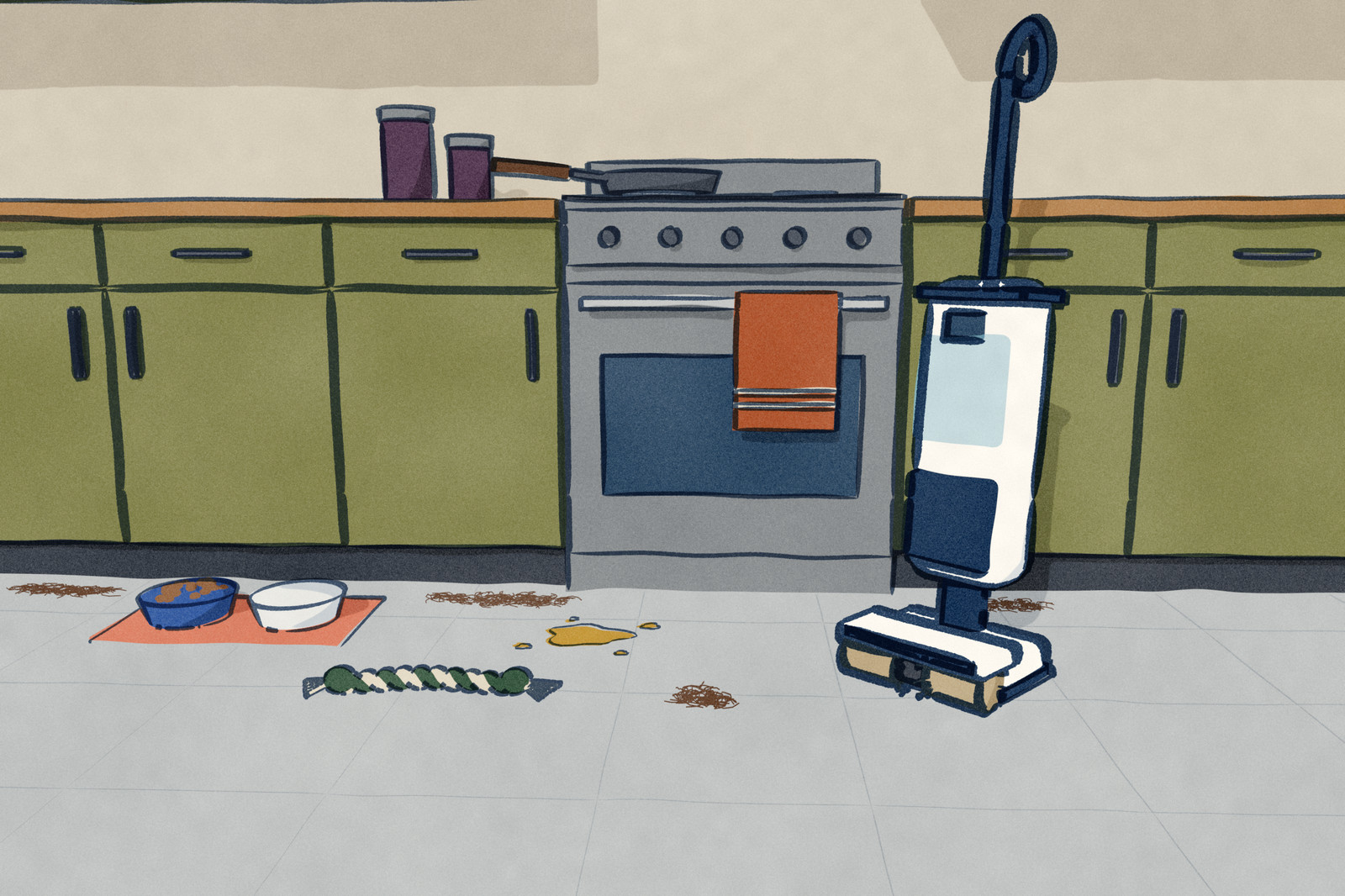
Roborock’s F25 Ultra Steam Gen 2 goes on sale in South Korea on October 12, 2026. The company says its Turbo Steam mode now puts out up to 5,000 milligrams of steam a minute, 2.5 times more than the previous F25 generation, heated with water up to 194°F.
Roborock also says the machine eliminates more than 99.9999% of major bacteria and cuts pollen, pet dander and dust mites by more than 99.9%, both in Steam mode. A robotic arm called SensEdge is supposed to close the gap at a wall to zero millimeters, and the body can recline flat to 180 degrees to reach under low furniture.
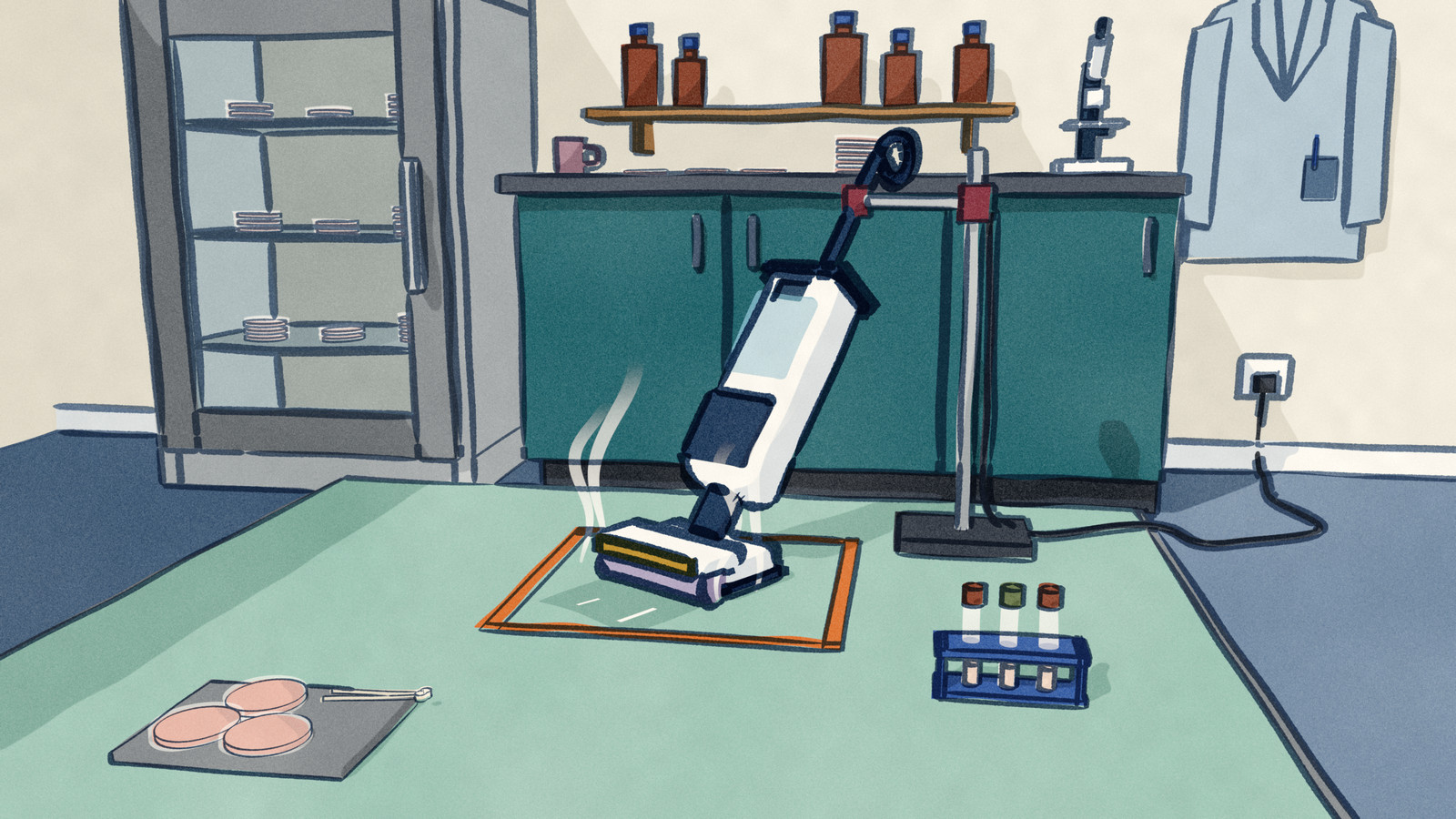
Those percentages are not independent review numbers. One report on the Korean launch says a global testing and certification body verified the bacteria and allergen figures, without naming the protocol or surface used.
A separate, Europe-based allergy research body had already certified the broader F25 line, including this model, as ‘Allergy Friendly’ ahead of its unveiling at IFA in Berlin on September 7, 2026. Both are standards bodies a manufacturer pays to test against a defined protocol, not outlets that bought the machine and ran it in a home.
The 2.5x steam figure has the same shape. It compares the new machine only to Roborock’s own earlier F25 generation. No outlet covering the launch cited a comparison against a competing steam mop, and none ran its own measurement of bacteria or allergen reduction.
The reach, for now, is narrow. South Korea gets the machine October 12, with Roborock running a Naver Brand Store promotion through October 18 that throws in free cleaning solution and filters. Australia is the only other confirmed market so far, with an October 2026 release there at a recommended AU$1,599. No source covering the launch names a US price or date.
A 99.9999% bacteria-kill rate describes one lab surface under one set of test conditions. It says nothing about a kitchen floor after months of pet hair, grease and a mop pad worn through a few hundred cleaning cycles, and none of the outlets covering the launch has tested that gap itself.