Matic’s robot vacuum cleared the FCC’s foreign-robot ban. Its co-founder had just said it couldn’t meet the agency’s other rule.
The exemption lets two Matic models stay on sale under a national-security review, a separate bar from the one the company already admitted missing.
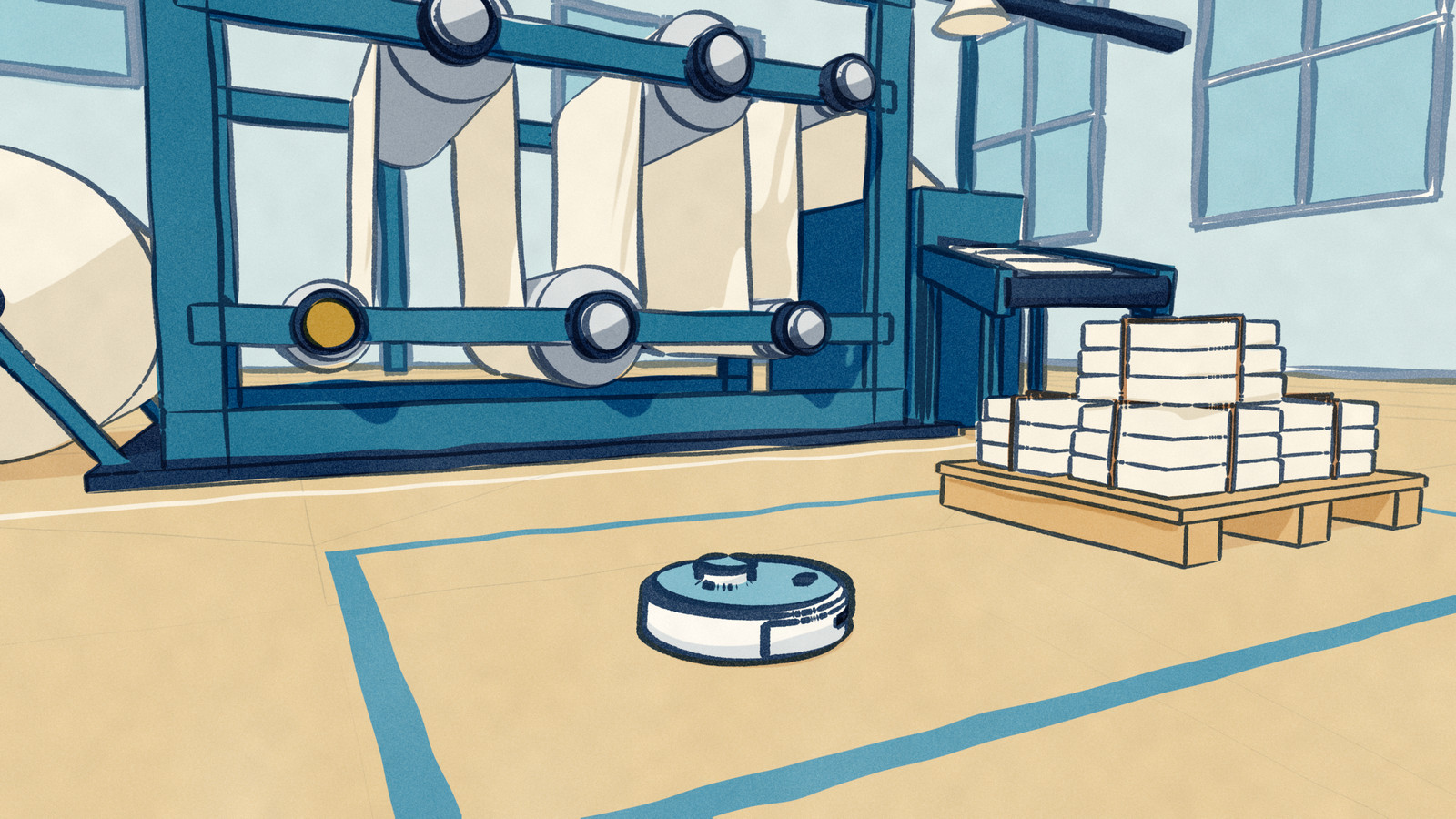
On October 2, 2026, the Department of War granted Matic Robots a conditional exemption from the Covered List restrictions on foreign-made robots, announced through the FCC’s Public Safety and Homeland Security Bureau. The approval names two products: Matic’s Robotic Floor Cleaner, model 4MA0001, and its charging dock.
Matic is the first robot vacuum maker to clear the exemption process. Two other robotics companies had already cleared it for different machines: Husqvarna on September 9, and ANSCER Robotics on September 18.
The Covered List took effect July 28, 2026. It blocks the FCC from authorizing new foreign-made “advanced robotic devices” (robot vacuums, mowers and some pool cleaners) that the agency says could be tampered with for spying or sabotage. A device trips the ban once foreign components pass 35 percent of its cost.
The approval is not a final clearance. It depends on Matic following an approved onshoring plan and continued product vetting. A false statement in the application, or a lapse in that plan, can put the two named models back on the Covered List. The approval carries no fixed expiration either way.
The grant covers only the Robotic Floor Cleaner and its dock, not Matic’s future products automatically and not any other vacuum maker’s. A buyer ordering a Matic vacuum today is buying a model the FCC can still authorize for import and sale. Most other foreign-made robot vacuums already on shelves are unaffected, because the ban reaches only new equipment seeking FCC authorization.
Whether the waiver was needed at all is unsettled. Matic’s Wi-Fi and Bluetooth module already carried its own FCC authorization before the Covered List took effect. The robot is also assembled in California, which has left one report questioning whether the vacuum needed this waiver at all.
The exemption also leaves standing a bar Matic itself flagged two months earlier. In mid-August, co-founder Mehul Nariyawala told a reporter the vacuum still did not clear it: the FCC’s 65 percent domestic-content threshold for a Made-in-America exemption. That figure is set to rise to 70 percent in 2029.
We’re the most American robot in the market, but we still have work to do in meeting the guidelines set by USG
Three weeks after that August disclosure, Matic raised the vacuum’s price by $250, to $1,495, citing rising memory costs rather than sourcing.
The October approval answers a different question, a national-security review by the Department of War, not the Made-in-America test. It says nothing about the 65 percent figure, and Matic has not said it has since cleared it.