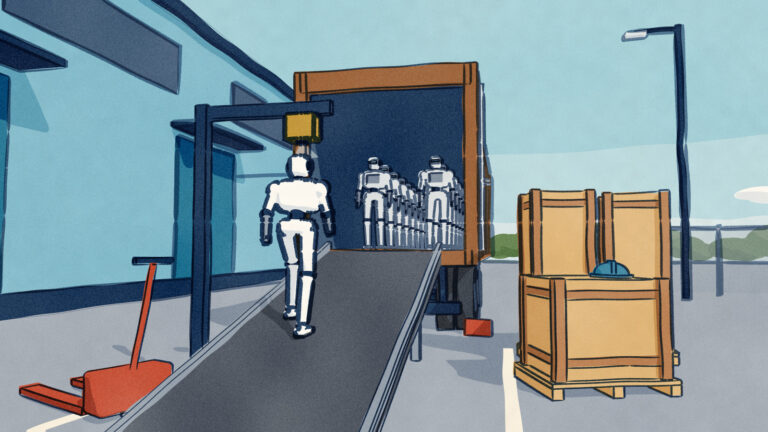
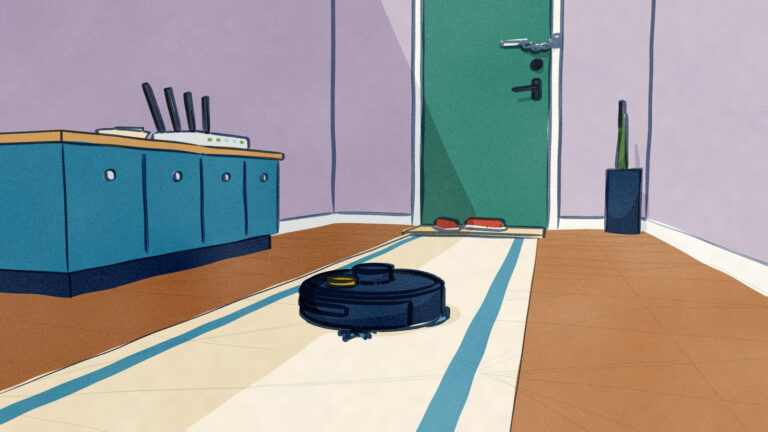
Consumer robots grew faster than every other kind of robot in 2025. Humanoids were barely a rounding error.
Robot headlines this year have mostly been about humanoids. A trade group's new worldwide count says that is not where the growth actually is.
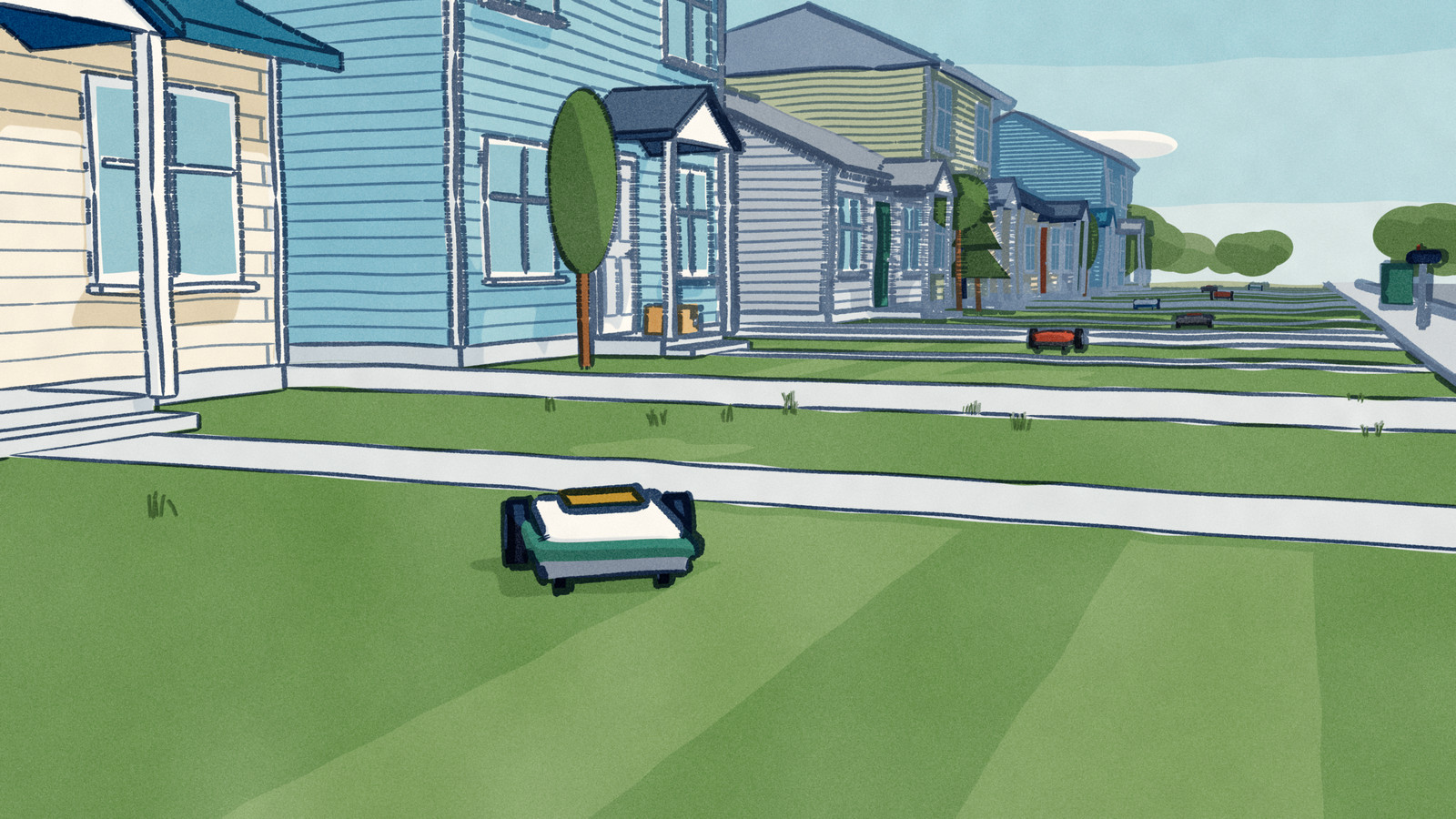
The International Federation of Robotics, the trade group that tracks global robot sales, reported on September 30, 2026 that consumer robots were the fastest-growing kind of robot sold anywhere in the world last year.
Its newest World Robotics report counted almost 34.2 million consumer service robots sold in 2025, a 37 percent jump from the year before. Professional service robots grew 24 percent, to nearly 250,000 units. Medical robots grew 19 percent.
Sales went up across all three segments with double-digit growth rates: professional service robots gained 24%, medical robots grew 19%, and consumer service robots surged by an impressive 37%.
Within the professional category, machines that move goods did most of the work. Transportation and logistics robots. Forklifts, delivery carts, warehouse haulers. Accounted for 117,500 of the roughly 250,000 professional units shipped, a 47 percent share. Hospitality robots ranked second; commercial cleaning robots ranked third.
IFR’s totals come from its own producer survey, compiled with the robotics group at Fraunhofer IPA. They are not audited sales records, and the report does not say how many of the shipped units had actually reached a buyer by year’s end. Only how many left a factory.
For readers of this site, the number that matters is the 34.2 million. IFR describes the consumer category as “primarily consisted of domestic robots aimed at the mass market”. The robot vacuums, mowers and similar machines this site tracks. Driven by automated routines, built-in AI and smart-home connections.
The roughly 7,000 full-size humanoid robots IFR counted worldwide in 2025 were not part of that home total. The report says they are built for commercial and professional work. Guiding warehouse staff or standing in for teleoperated labor. Not for sale to households. Measured against 34.2 million home machines, that works out to about two humanoids for every 10,000 home robots shipped.

IFR counts what manufacturers reported shipping, not which products those shipments were. The release gives no separate figure for vacuums, mowers or any other device inside the 34.2 million consumer total, and it does not say how many of those units are still running a year later. The humanoid count carries the same limit: a unit a producer calls “sold” is not a robot a customer has unboxed.