Reviews split on Roborock’s Qrevo 2 Pro: standout mopping, or a robot that eats cords
A midrange robot vacuum, on sale for $549, drew praise for its mopping and a 3.5-out-of-5 score for eating cords, in three reviews of the same machine. What’s unsettled is whether losing socks, cords and headbands is a rare mishap or something buyers should expect from a robot with no camera.
Three reviews of Roborock’s Qrevo 2 Pro, a vacuum-and-mop combo listed at $799.99 and currently selling for $549.99, reached different verdicts on the same robot. One reviewer called the mopping “as good as I have ever tested” at the price. A second scored the robot 3.5 out of 5 and built the review around a habit the other two never raised: it eats loose cords.
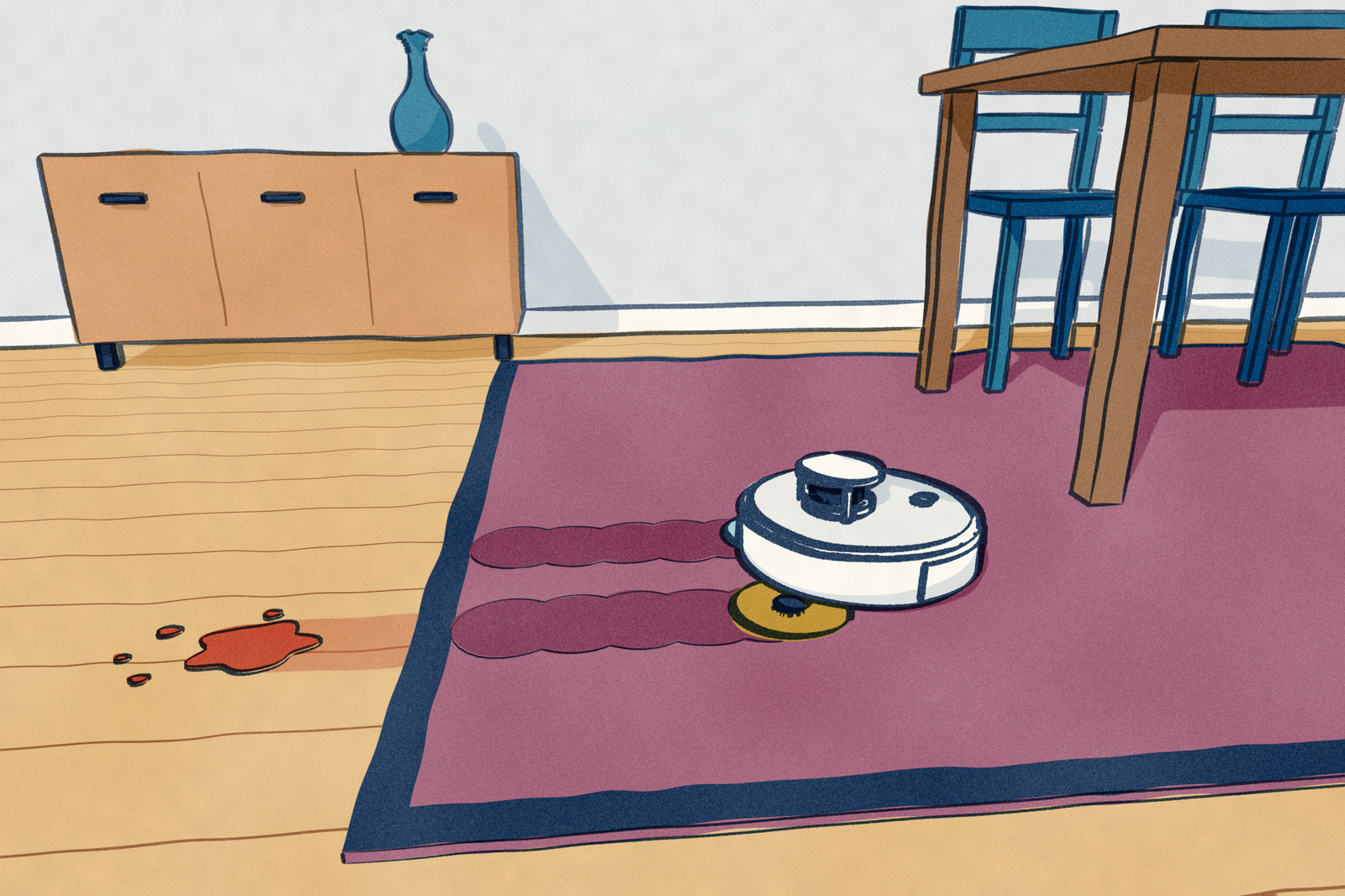
That second test ran the robot through a 750-square-foot apartment in under two hours with about half the battery left, and it lifted debris from hardwood and rugs without clogging. Mopping needed two passes on a squirted patch of ketchup, and the robot mopped into a dining-room rug before the reviewer stopped it, so carpeted areas had to be outlined by hand in the app afterward.
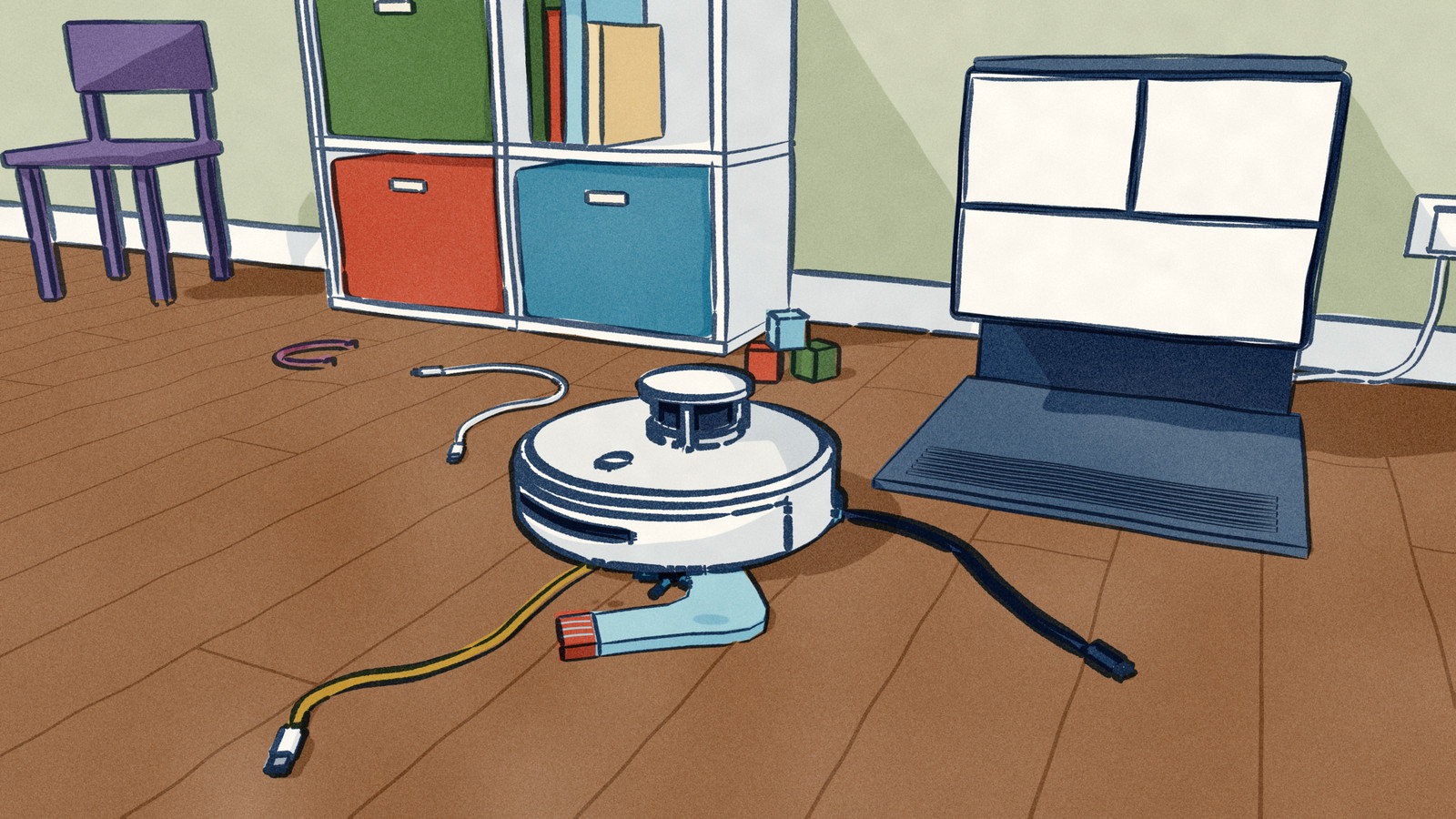
Then came the cords. The reviewer scattered sacrificial USB cables around the floor, and the robot, they wrote, “gobbled them all up and dragged them around until its roller brushes jammed.” It ate one of their kid’s socks in the same test.
The first review flagged no cord problem, and said its vacuuming held its own against pricier machines. Its complaints were about the hardware: the LiDAR turret sits in a raised cage on top of the robot, cutting clearance low enough to keep it out from under some furniture, and hard-floor pickup fell short of flawless.
A third review, built around value, credited the robot’s circular rotating mop pads, which the dock washes at 167 degrees Fahrenheit and air-dries at 113, and called it a solid, affordable option that still struggles with pet hair and occasionally bumps into obstacles.
The cord problem traces to what the robot does not carry. It maps with PreciSense LiDAR and detects everyday obstacles with structured light, both listed on Roborock’s product page. It has no camera, though, the sensor other robots use to recognize a specific object rather than just sense that something is in the way.
That is the tradeoff at this price band: a few hundred dollars less than Roborock’s Curv line buys mopping reviewers rate highly, in a home where cords, socks and headbands have to stay off the floor for the robot to run unattended.
Each review is one unit, run in one home, for one to three weeks. Together they show how three individual machines behaved during a short test window, not how a mop pad or roller brush holds up after months of runs, or whether swallowing cords happens on every run or only some.
The three testers do not even agree the habit is worth flagging. Two treated it as a footnote or skipped it, and the third made cord-eating central enough to shape a 3.5-out-of-5 verdict on the same machine.