
Goal-based/Multi-Task Robots/4 robots compared/Reviewed Aug 4, 2026
Which home robots still rely on a human teleoperator?
 View recordSunday RoboticsIIMemo
Full specifications7 measurements · 16 of 28 documented
Does the robot need a human operator mid-task?
Manufacturer documentation for each robot states whether a remote human operator routinely intervenes mid-task, a distinction that directly caps the Autonomy Ladder classification.
 Weave Isaac 0
 Weave Isaac 1
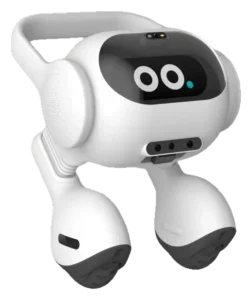 LG Q9 AI Agent
 Sunday Robotics Memo
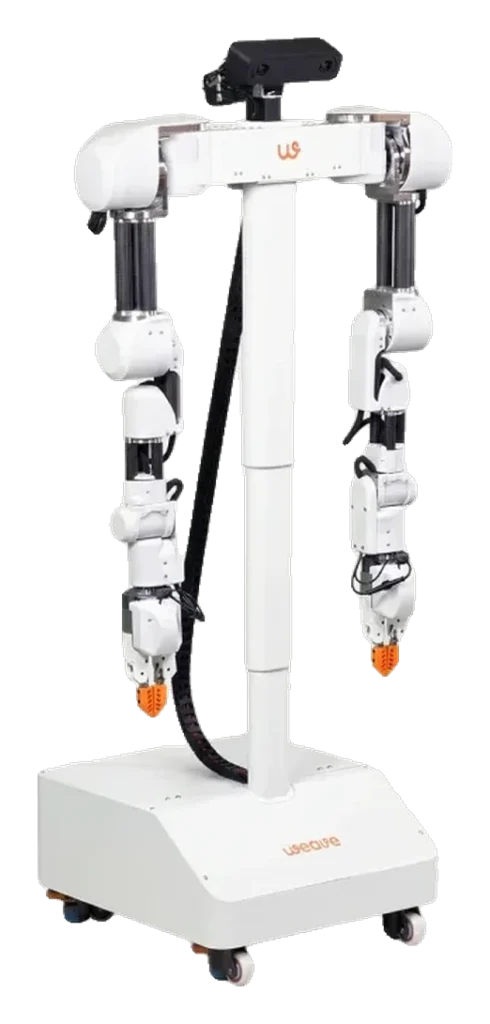
Weave Robotics' own FAQ documents head and wrist camera access for specialists during 5-10 second teleop corrections on Isaac 0, with no published opt-out from that monitoring.
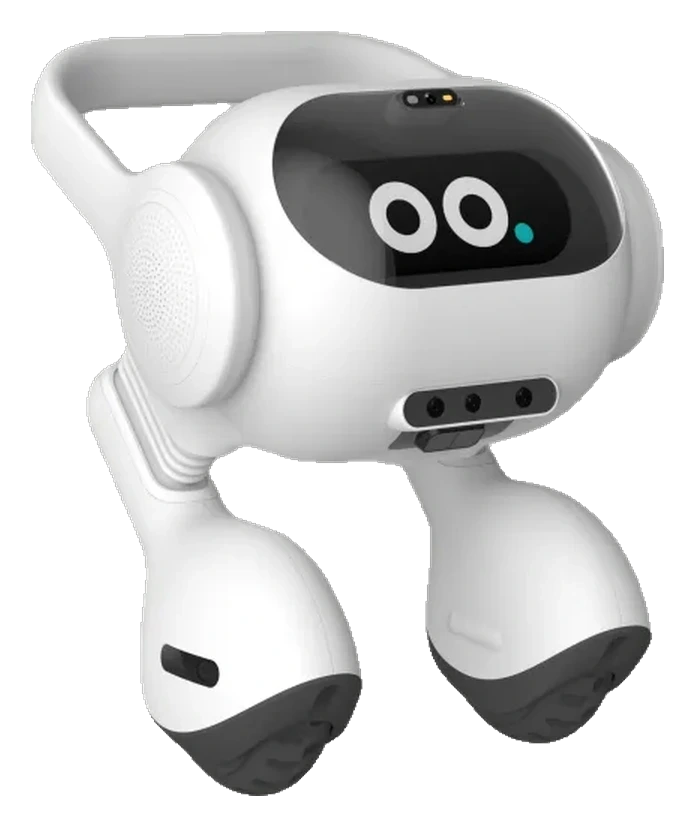
LG's developer portal documents Q9's cloud-based task orchestration and multi-room mapping operating without a described teleoperator role, supporting its Level III classification.
Has the robot shipped to any real household?
Shipping status ranges from an active limited-region rollout to an unannounced beta, a gap that matters more than the marketing copy each company publishes.
Weave Isaac 0Weave Isaac 1LG Q9 AI AgentSunday Robotics MemoThe Verge's coverage of the Isaac 0 launch and Weave's own announcement post confirm February 2026 Bay Area shipments began under a $250 deposit model.
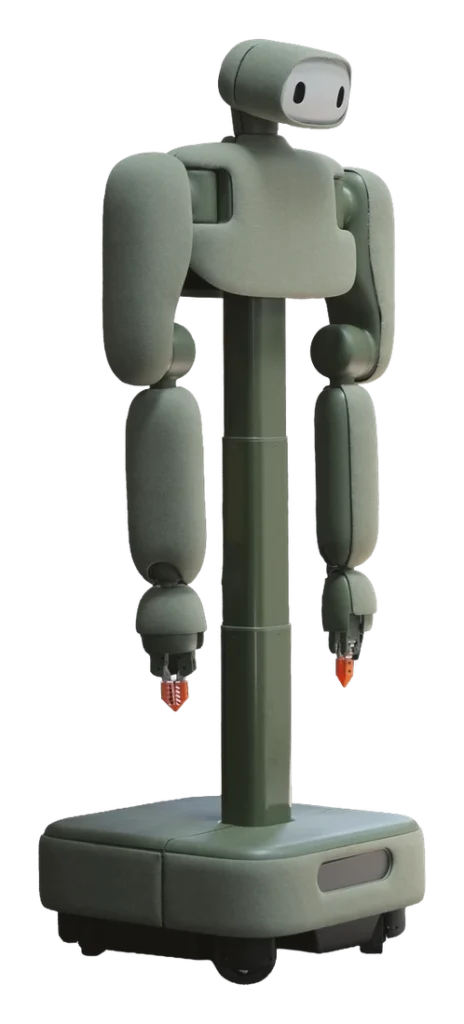
TechCrunch's report on Sunday Robotics' $1.15B valuation round states a 50-household beta is planned for late 2026, with no retail launch date confirmed.
What does each robot cost to buy or use monthly?
Purchase and subscription pricing differ structurally, not just numerically: one platform offers no one-time purchase option, only a recurring monthly fee.
Weave Isaac 0Weave Isaac 1LG Q9 AI AgentSunday Robotics MemoWeave Robotics documents identical $250 refundable deposits and comparable monthly subscription alternatives across both Isaac generations, with only Isaac 0 carrying a stated two-year warranty.
LG's public materials describe Q9 as subscription-gated with no confirmed one-time hardware price published in English-language documentation as of June 2026.
What tasks and spaces does each robot cover?
Task scope and mobility separate these robots more clearly than price does, spanning a wall-mounted single-task folder and a demonstration-taught general platform.
Weave Isaac 0Weave Isaac 1LG Q9 AI AgentSunday Robotics MemoWeave's Isaac 0 product page lists t-shirts, hoodies, towels, and shorts as autonomously foldable items, with pants requiring remote specialist correction.
Press coverage of the Isaac 1 describes a telescoping torso and a Laundry Flow task set spanning hamper pickup, folding, bed-making, and tidying, but confirms no stair-climbing capability.
What happens when the home network or cloud drops?
None of the four manufacturers publish a documented offline mode, meaning a lost connection suspends autonomous operation across the board, per available materials.
Weave Isaac 0Weave Isaac 1LG Q9 AI AgentSunday Robotics MemoWeave's Isaac 0 specifications list Ethernet or dual-band WiFi as required for both autonomous inference and teleop corrections, with no offline mode documented in company materials.
In closing
What the evidence shows
Patterns that emerged across the questions above.
Teleoperation dependency does not track with shipping status
Isaac 0 already ships to Bay Area homes while documenting routine remote correction; Q9 ships in Korea without a documented teleoperator role. Shipping maturity and autonomy architecture move independently in this set.
Purchase price and subscription gating diverge by manufacturer
Weave documents a fixed one-time price with a monthly alternative on both Isaac generations, while LG sells Q9 exclusively through a subscription with no published outright purchase price.
Only one platform defines its task list through demonstration
Memo's imitation-learning pipeline means its capability set grows through human-taught sessions rather than a fixed manufacturer specification, a structurally different onboarding model than the other three robots.
Common questions