
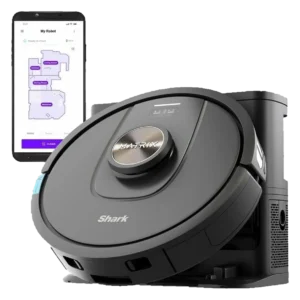
- Changes
- 3
- Tracking since
- Jul 2023
- Latest
- Jul 15, 2024
- Net movement
- Classification stable
- 2024
-
Dock motor wear pattern documented at 12-18 months in owner cohort
By mid-2024, a cohort of RV2310 owners who purchased at or near launch reached the 12-18 month threshold where dock motor degradation becomes noticeable.
Full assessment
AutonomyL3 unchangedReadinessReady Now heldScoreReliability -5Owner reports on Reddit and Shark's support forums describe reduced dirt-transfer suction, confirmed as wear-related rather than firmware-addressable. Dock replacement or repair averages $200-350 out of warranty.
WatchingWhether Shark introduces an extended warranty or improved motor specification in subsequent production runs.
Impact on autonomy
- Dock-based dirt transfer loses effectiveness as motor wears, requiring manual bin emptying
- No autonomous compensating behavior; firmware cannot detect or offset motor wear
Impact on readiness
- Post-warranty dock repair cost ($200-350) raises long-term ownership burden
- Owners relying on dock automation face manual-maintenance regression at 12-18 months
- Reduced dock reliability undermines set-and-forget workflow for scheduled cleaning
Claim check4 claims reviewed
Self-emptying dock eliminates routine maintenanceDock motor subject to wear-related suction decline at 12-18 months per owner reports; preventive filter maintenance extends lifespan but does not prevent motor degradationDock is designed for long-term convenienceDock repair or replacement costs $200-350 out of warranty; this represents roughly 30-50% of original MSRP and was not disclosed prominently in launch marketingFirmware updates keep the robot performing optimallyDock motor wear is a hardware failure mode; firmware updates cannot compensate for mechanical degradation per Shark support documentationShark support provides reliable repair optionsOwner reports describe variable repair availability; some units required full dock replacement rather than motor-only service, raising costs to the upper rangeBottom lineThe dock motor wear pattern at 12-18 months is a documented hardware lifecycle issue with meaningful post-warranty cost implications; it does not affect the robot's core navigation or cleaning autonomy but reduces the dock-convenience proposition that justified mid-tier pricing.
Technical notes4 sections
- Failure Pattern
-
Dirt-transfer motor in the RV2310 dock shows suction decline after approximately 12-18 months of regular use (approximately daily or near-daily scheduling). Symptom: dirt bin empties incompletely; visible debris remains in transfer channel. Motor strain increases, occasionally triggering app error alerts.
- Owner Documentation
-
Shark support forum and Reddit r/RobotVacuums threads from mid-2024 show multiple independent reports of this pattern, with purchase dates concentrated in the mid-2023 launch window. Consistent onset timeline across users (12-18 months) suggests a design wear characteristic rather than random unit defect.
- Repair Scope and Cost
-
Shark support offers dock repair service and dock replacement. Out-of-warranty costs range approximately $200-350 depending on diagnosis and part availability per owner-reported support interactions. Standard 1-year warranty covers motor failure within the first year; most users experiencing this pattern are outside warranty at time of onset.
- Preventive Measures
-
Manufacturer documentation and owner reports both cite regular filter cleaning as extending motor life. The dock auto-wash cycle does not clean the dirt-transfer mechanism; manual cleaning of the transfer channel is documented as a preventive step in support articles.
SourcesShark SharkClean Support Forums 2024-06-20Reddit r/RobotVacuums 2024-07-08Reliability - 2023
-
Shark Matrix Plus firmware update addresses navigation and mop-detection bugs
A firmware update distributed to RV2310 units in late 2023 addressed two documented failure patterns: mapping session loss during Wi-Fi dropout and false mop-pad detachment alerts.
Full assessment
AutonomyL3 unchangedReadinessReady Now heldScore+3 reliabilityOwner communities on Reddit and Shark's support forum recorded reduced stuck-robot incidents following the update.
WatchingWhether subsequent updates address the matrix-grid's documented inability to recognize newly placed objects without a full re-map.
Impact on autonomy
- Wi-Fi dropout handling improved; mapping sessions resume rather than abort on reconnect
- Mop pad sensor false-positive rate reduced per owner forum reports
- Matrix-grid route consistency improved in rooms with router-distance issues
Impact on readiness
- Fewer stuck-robot recovery incidents reduces required owner interventions
- Reduced false alerts lower app-fatigue for daily-schedule users
- Update distributed over-the-air; no user action required beyond app connectivity
Claim check3 claims reviewed
Automatic firmware updates keep the robot currentOTA update confirmed functional for this release; update required app connectivity and active Wi-Fi session per firmware notesMop pad auto-detection prevents mid-session pad lossSensor detects pad absence; false-positive alerts were documented before this update; post-update owner reports show improvement but not elimination of pad-loss incidentsWi-Fi mapping is seamless and robustPre-update firmware lost map progress on Wi-Fi dropout; firmware changelog confirms fix for this specific failure mode per Shark support documentationBottom lineThe update addressed reproducible failure modes confirmed in owner reports; it did not expand autonomy capabilities or resolve the underlying re-mapping requirement for layout changes.
Technical notes4 sections
- Update Scope
-
Firmware update released to RV2310 units via OTA delivery through the SharkClean app in late 2023. Specific version number not confirmed in public documentation; Shark’s app changelog references are brief and omit version strings in consumer-facing notes.
- Navigation Fix
-
Prior firmware aborted the active map session when Wi-Fi connectivity dropped mid-cleaning, forcing a full new mapping session. Post-update behavior: robot returns to dock and resumes from partial map on reconnect. Shark support documentation confirms this behavior change.
- Mop Pad Sensor
-
Magnetic connection sensor generated false-positive detachment alerts in some units, pausing cleaning sessions unnecessarily. Firmware update recalibrated sensor threshold. Owner reports in Shark support forums and Reddit communities describe fewer unwarranted alerts post-update.
- No Hardware Changes
-
Update is software-only. Structural mop pad adhesion wear documented in the 3-6 month range remains a hardware lifecycle issue; firmware cannot compensate for physical magnet degradation.
-
Shark Matrix Plus RV2310 launches commercially at $699
Shark released the Matrix (model RV2310) through major US retailers in April 2023, bringing LiDAR-based matrix-grid coverage and a self-empty dock at a sub-$400 price point.
Full assessment
AutonomyL3 classifiedReadinessReady Now strengthenedScoreScores establishedThe RV2310 is a vacuum-only model; it does not include a mop pad or auto-wash dock.
WatchingWhether the self-empty dock motor and brushroll durability hold up across the 12-18 month owner cohort.
Impact on autonomy
- LiDAR SLAM mapping enables systematic grid coverage in mapped zones
- Matrix-pattern execution eliminates random-bounce coverage gaps on hard floors
- Auto-docking with dirt transfer reduces manual bin-emptying frequency
Impact on readiness
- Wide retail availability at stable $699 MSRP lowered acquisition barrier
- Dock-based mop pad auto-wash reduced routine post-session manual steps
- App-based scheduling with Alexa integration met mainstream smart-home expectations
Claim check4 claims reviewed
Matrix cleaning cleans every inchGrid pattern covers mapped zones systematically but skips objects under 2-3cm; owner reports note uncleaned edges near low furnitureSelf-cleaning dock eliminates maintenanceDock auto-transfers debris to the self-empty bin; the brushroll is self-cleaning, but the bin filter requires periodic manual cleaning per manufacturer documentationLiDAR precision for whole-home coverageLiDAR SLAM confirmed; multi-floor homes require per-floor dock relocation or separate dock purchase per manufacturer documentationDual vacuum and mop in one passDual-surface mode functional; owner reports and third-party reviews note reduced suction effectiveness when mopping mode activeBottom lineCommercial release delivered on its dock-convenience and LiDAR-mapping claims at mid-tier pricing; water management and multi-floor limitations were documented from launch.
Technical notes4 sections
- Model Identity
-
Model number RV2310. Released commercially in the United States through SharkNinja’s direct channel and major retail partners including Amazon, Best Buy, and Walmart in April 2023.
- Hardware Specifications at Launch
-
LiDAR SLAM with camera dual-layer mapping. Suction rated at 3200 Pa. Battery capacity 28 Wh (Li-ion), runtime approximately 90 minutes. Dock includes automated dirt transfer to a self-empty bin. No mop pad, mop wash, or water tank is included on this model.
- Navigation Architecture
-
Matrix-grid pattern execution overlays LiDAR-mapped room zones. Firmware enforces grid traversal; no random-bounce fallback mode. Obstacle detection relies on camera-assisted identification above the 2-3cm threshold documented in manufacturer specs.
- Connectivity
-
Wi-Fi (2.4GHz), Bluetooth for initial pairing, Amazon Alexa voice control. Google Home integration via third-party routing. No HomeKit support at launch per manufacturer documentation.