
Claims against testing
Smart-mapping vs random-path pool cleaners: when does mapping return on investment?
Smart mapping is sold at a higher price than a plain scanning path. This page sets what each maker says about its navigation beside what testers found on the pool floor.
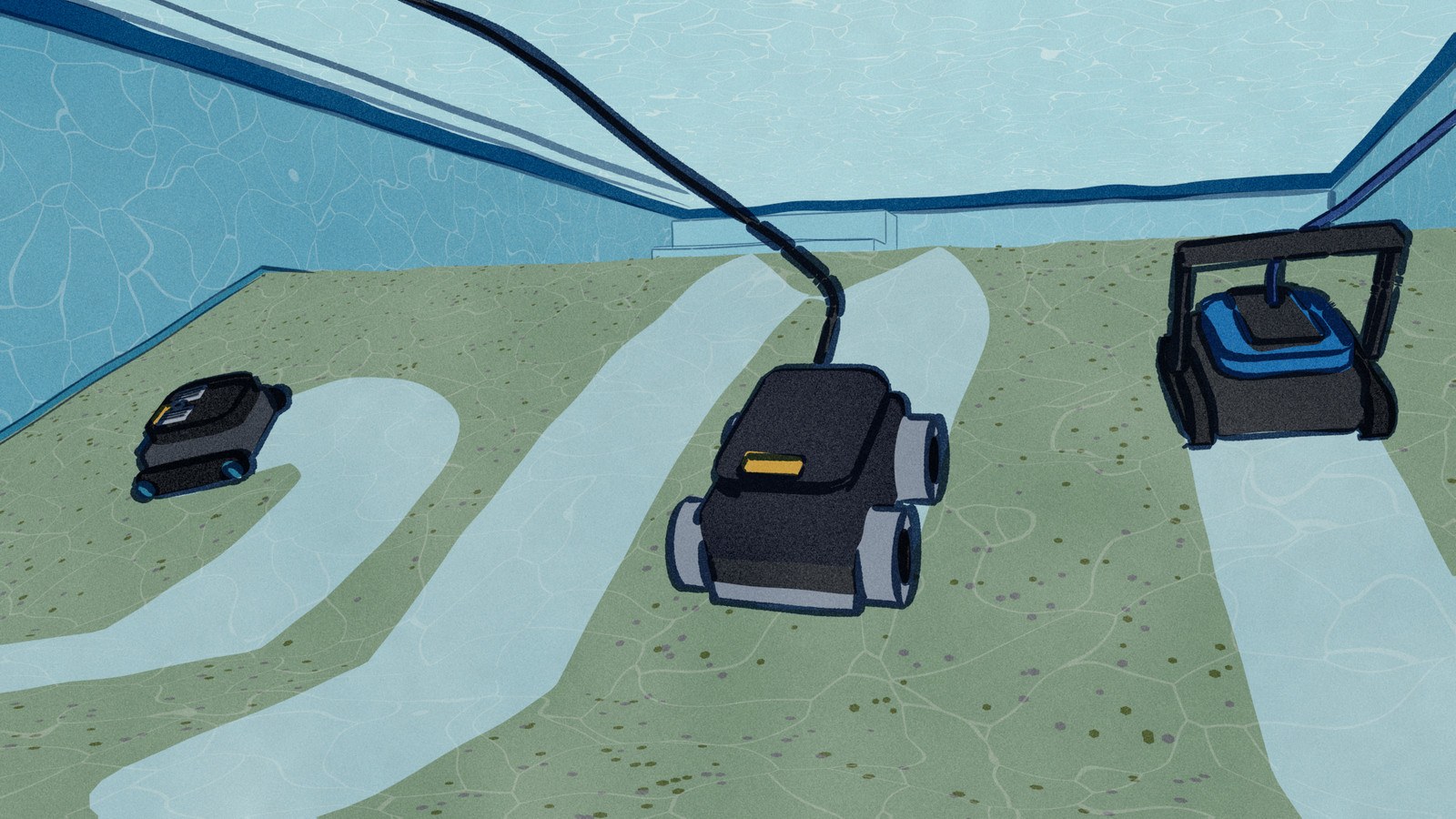
This page checks
- How it finds its wayThe navigation each maker names
- What testers foundMissed spots, coverage, stairs
- Cycle length and pool sizeMaker figures for one run
- Cord and appWhat the app shows and how the robot is powered
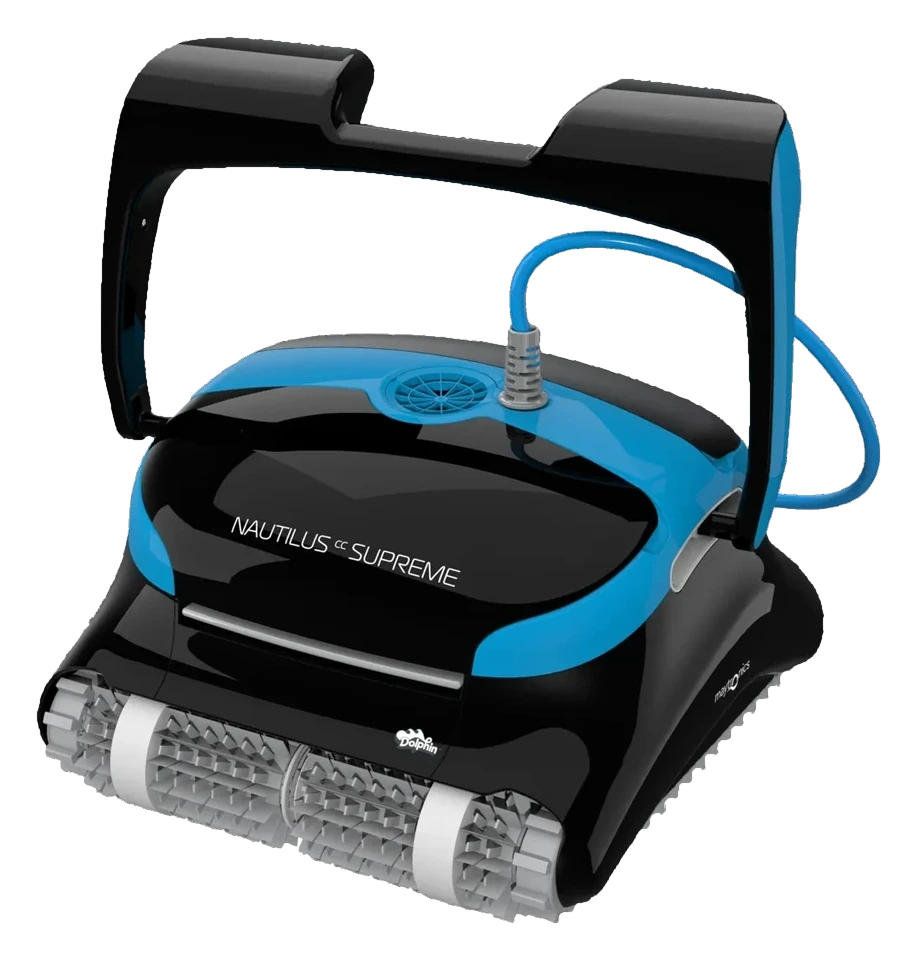
Maytronics
Where to buy
CC Supreme cartridge filter compatibility expanded to third-party suppliers
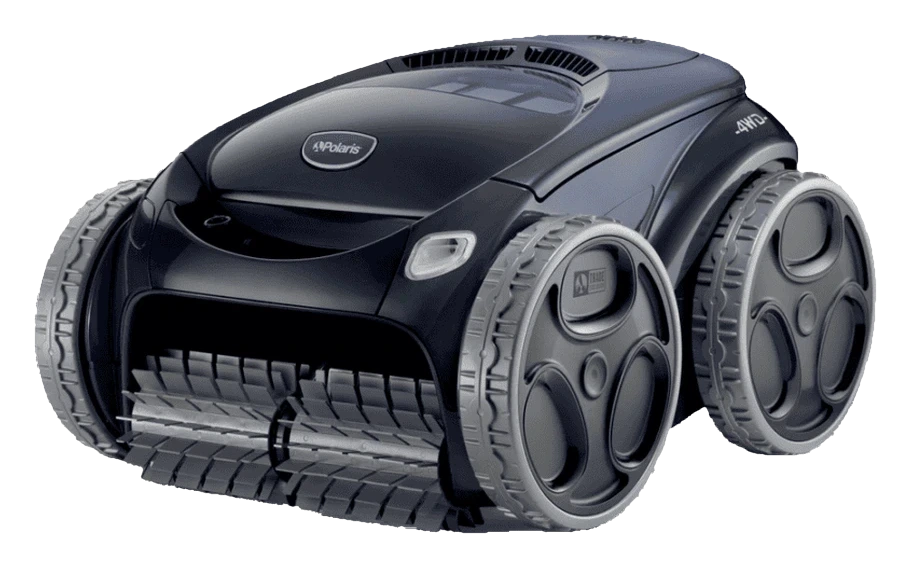
Polaris
Where to buy
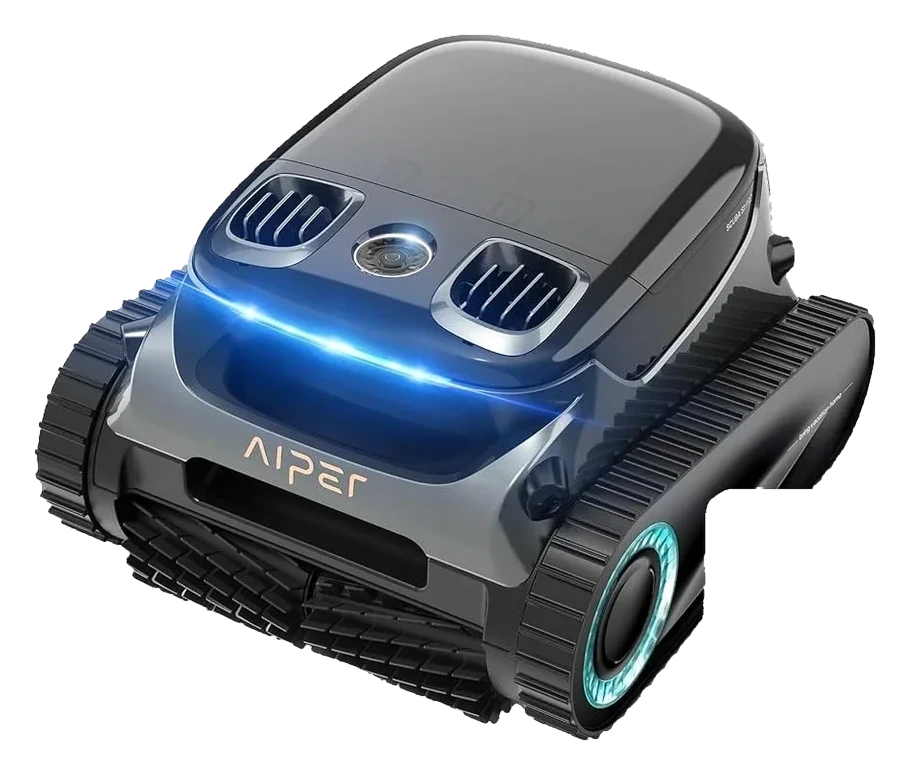
Full specifications18 figures on record · 12 differ
Some links earn Robovations a commission. Nothing on this page is ranked by it.
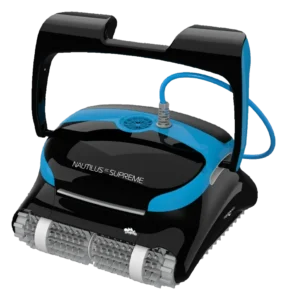 Dolphin Nautilus CC Supreme
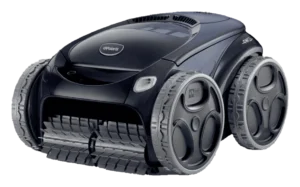 Alpha iQ+
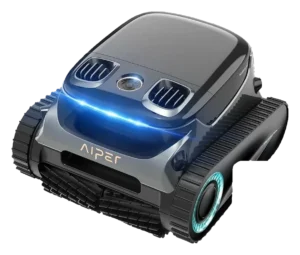 Scuba S1 Pro
Mapping, claimed and tested
What each navigation claim comes with
No test found measured coverage for a mapped path against a plain one on these three. Aiper and Polaris name sensor-led paths; the Maytronics page names none.
Not stated
Maker store page lists scrubbing brushes and a cable swivel. No navigation method found on it.
Maytronics US store pageSensor Navplus SMART Cycle
Dealer copy: scan-and-measure patterns, run time sized to the pool. Maker page would not load.
Dealer listing carrying maker copy4infrared sensors
Names WavePath 2.0 with intelligent mapping. Page does not say whether a map is stored.
Aiper product pageNo coverage test found
Owner comments gathered by one review cite weak stair and sun-deck cleaning. A second review covered the app and cycles only.
Owner reportsNo coverage test found
No review with coverage results could be opened. A forum thread did not load.
Searched hands-on reviewsNo S1 Pro test found
Reviews found covered the S1 or N1, so they are not used here.
Searched hands-on reviews1.5 or 2.5hours
Default is 2.5 hours. A hands-on review lists 1.5, 2.5 or 3.5 hours.
Maytronics US store pageUp to 3.5hours
Dealer copy gives 3 h 30 min at most: quick floor clean 1 h 15 min, deep clean 2 h 45 min.
Dealer listing carrying maker copyUp to 3hours
Printed as 180 minutes, on a four-hour charge.
Aiper product page50ft long
Pool length only. No area figure found.
Maytronics US store page60ft long
Dealer copy: pools up to 60 feet in length.
Dealer listing carrying maker copy2,150sq ft
Also a 66 ft maximum length.
Aiper product pageCorded
App starts, stops and sets a weekly schedule. One review found the app unresponsive over 10 days.
Maytronics US store pageCorded
70 ft cable with swivel. App shows status and water temperature and can spot clean.
Dealer listing carrying maker copyCordless
App picks modes and shows cleaning history. Page mentions no map view or schedule.
Aiper product pageSame on all three: each cleans floor, walls and waterline and each has a phone app.
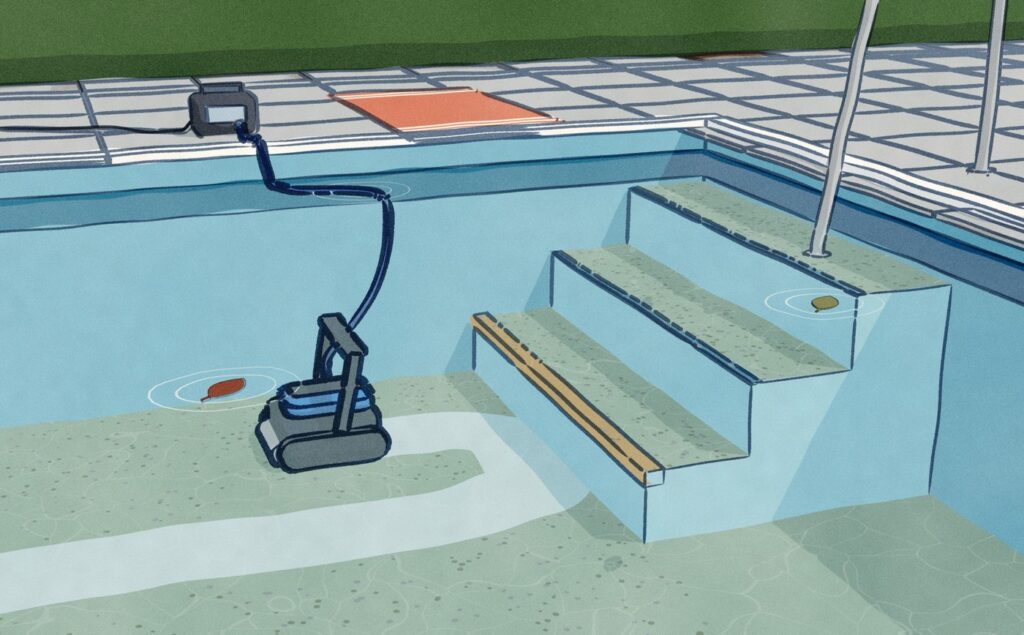
Your home
How each one fits a home like yours
Set the conditions that describe your home. Each robot answers from its own Fit Check; nothing is scored until you choose.
Fit check
Describe your home
Pick what applies. Each robot answers from its own record.
Sources
Where every figure comes from
- Dolphin Nautilus CC Supreme · Maytronics US store page (2 Oct 2026); PCWorld review (18 May 2026); Robotic Reviews owner summary
- Alpha iQ+ · Dealer pages (Simplified Pools, Bay State Pools) carrying Polaris copy, read 2 Oct 2026
- Scuba S1 Pro · Aiper US product page (2 Oct 2026); Test Your Own Pool review of the S1 and N1 checked and not used
Each claim is quoted from a page opened on 2 Oct 2026. Where only a dealer page carrying the maker's copy could be read, the cell says so. Reviews of a sibling model were not used.
Questions
What readers ask
Does mapping clean a pool in less time?
No test found compared a mapped path with a plain one on these three. Each maker states its own cycle length, and the figures cover different modes, so they cannot be lined up.
Does any of these store a map?
Not confirmed. The Aiper page names intelligent mapping but not a stored map. The other two pages read did not name a stored map.
Why is the Polaris cell marked as dealer copy?
The maker page for the Alpha iQ+ returned no readable content, so the navigation, cycle and cable figures come from dealer listings that reproduce Polaris wording.
Common questions