Skip to content
Saved
ROBOVATIONS/COMPARISON3 ROBOTS COMPAREDREASSESSED 2026.06.18

Goal-based

Robotic window cleaners: which design fits which window?

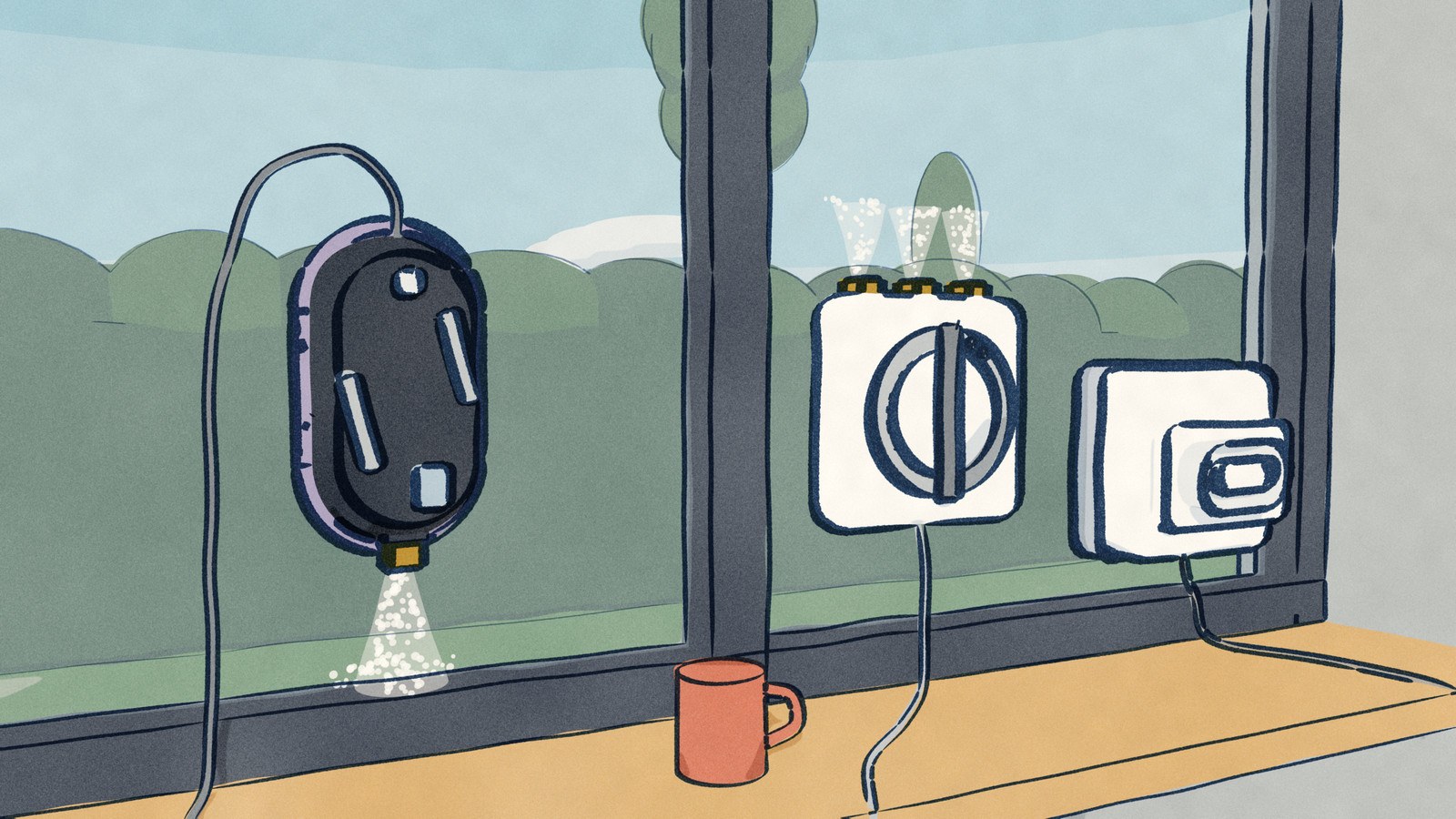
All three units require manual placement per pane, but they diverge sharply on cleaning approach, surface requirements, and how much the owner manages between runs.

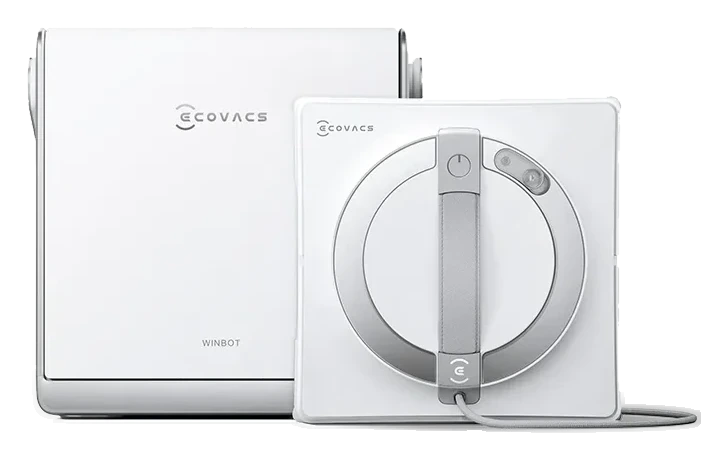
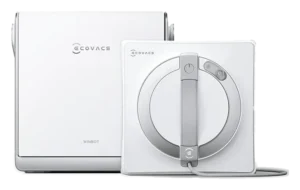
Ecovacs Winbot W2 Omni
Ecovacs

Ecovacs Winbot W2 Omni

Level III
$399BuyAmazon
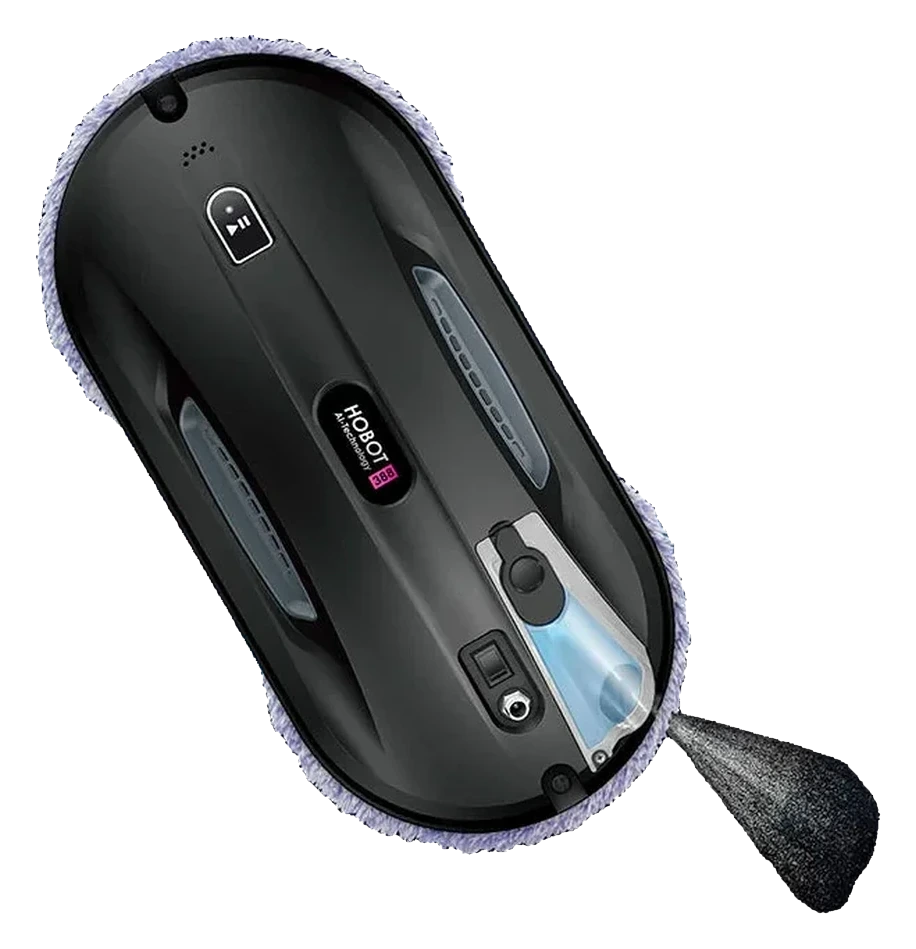
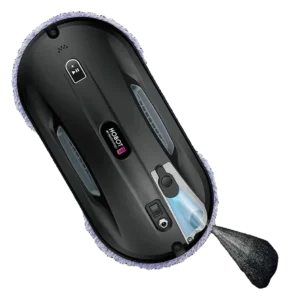
HOBOT 388 Ultrasonic
HOBOT

HOBOT 388 Ultrasonic

Level III
$299BuyAmazon
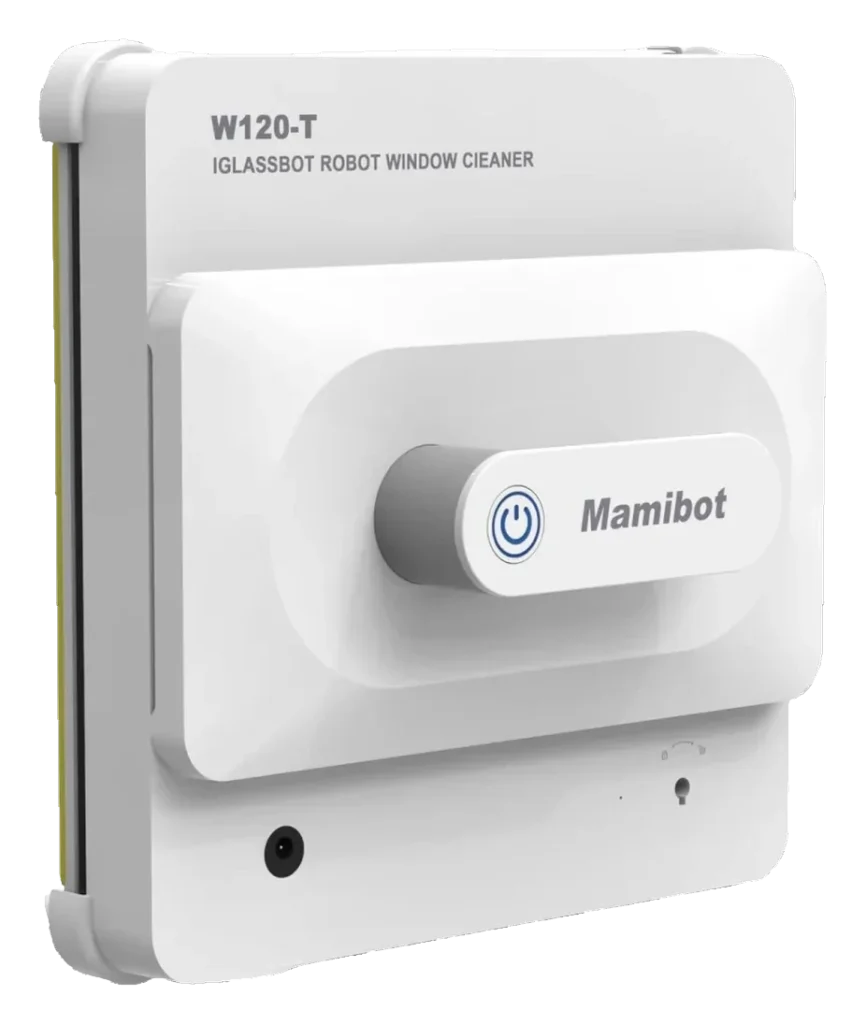
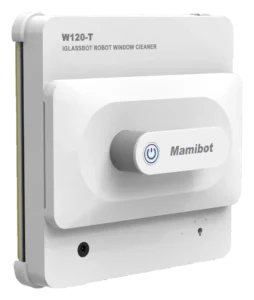
Mamibot iGLASSBOT W120-T
Mamibot

Mamibot iGLASSBOT W120-T

Level II
$179BuyAmazon
Price range$179–$399
Autonomy spreadLevel II–III
Robots compared3

Classification, not a ranking. Every mark below is documented evidence, not a purchase recommendation.

We may earn commission from qualifying purchases. This does not influence the comparison.

01/05

Which surfaces does each unit actually work on?

Surface compatibility is the first constraint that narrows the field. Framed or textured glass creates adhesion and path-tracking failures that override any cleaning-method advantage.

Where they differMamibot iGLASSBOT W120-T — Glass type compatibility: Smooth glass only; textured/frosted excluded
EvidenceEcovacs Winbot W2 OmniHOBOT 388 UltrasonicMamibot iGLASSBOT W120-T
Glass type compatibilityFlat glass; smooth surface requiredFlat glass; smooth surface requiredSmooth glass only; textured/frosted excludedDiffers
Framed window handlingEdge detection navigates framesEdge detection navigates framesManual repositioning required per frame
Suction-based adhesionContinuous suction; app-monitoredContinuous suction; systematic pathContinuous suction; RF remote fallback
Sources & evidence
Manufacturer documentation, Mamibot iGLASSBOT W120-T, 2026

Mamibot documentation explicitly restricts use to smooth glass; textured or frosted surfaces are listed as incompatible due to suction failure risk.

Manufacturer documentation, Ecovacs Winbot W2 Omni and HOBOT 388, 2026

Ecovacs and HOBOT documentation describe edge-detection sensors as the primary boundary method on flat glass; neither documents textured-glass operation.

02/05

How does each unit apply cleaning fluid to the glass?

The three units use two distinct cleaning methods. That difference affects pre-run preparation, fluid consumption, and whether the owner handles the fluid step or the robot does.

Where they differHOBOT 388 Ultrasonic — Cleaning method: Ultrasonic spray atomizes fluid directly
EvidenceEcovacs Winbot W2 OmniHOBOT 388 UltrasonicMamibot iGLASSBOT W120-T
Cleaning methodMotorized scrub pad; pad pre-moistenedUltrasonic spray atomizes fluid directlyDiffersScrub pad; owner pre-sprays glass
Fluid reservoir locationPad moistened via dock stationOnboard reservoir, atomizes in motionNo reservoir; manual pre-spray by owner
Dry-pass capabilityWet and dry pad modes documentedWet mode only; ultrasonic activeWet mode only; manual setup required
Sources & evidence
Manufacturer documentation, HOBOT 388 Ultrasonic, 2026

HOBOT 388 manufacturer documentation (2026) confirms ultrasonic vibration atomizes cleaning fluid from the onboard reservoir onto the glass surface, distinguishing it from pad-scrub designs.

Manufacturer documentation, Ecovacs Winbot W2 Omni and Mamibot iGLASSBOT W120-T, 2026

Ecovacs W2 Omni documentation describes pad moisting via the Omni dock station; Mamibot W120-T documentation requires owner pre-application of fluid before each run.

03/05

What path intelligence does each unit use on the glass?

Edge detection and path planning determine whether the unit covers the full pane systematically or leaves strips requiring a second pass. The three units sit at different points on this dimension.

EvidenceEcovacs Winbot W2 OmniHOBOT 388 UltrasonicMamibot iGLASSBOT W120-T
Navigation methodOptical edge detection; boundary mappingSystematic path; edge-detection sensorsStrip-pattern auto-path; edge-detection sensors
Autonomy Ladder classificationLevel III (Conditional Autonomy)Level III (Conditional Autonomy)Level II (Assisted Autonomy)
Manual mode availableApp-controlled override availableApp-controlled override availableRF remote for manual mode
App connectivityWi-Fi + Bluetooth; dedicated appWi-Fi + Bluetooth; dedicated appNone; no app
Sources & evidence
Manufacturer documentation, Ecovacs Winbot W2 Omni and HOBOT 388 Ultrasonic, 2026

Ecovacs documentation describes optical edge detection with boundary mapping as the navigation method; HOBOT documentation describes systematic path algorithms with edge sensors.

Manufacturer documentation, Mamibot iGLASSBOT W120-T, 2026

Mamibot W120-T documentation lists RF remote control as the primary manual-mode interface; no app or Wi-Fi connectivity is documented for this model.

04/05

How much does pad and fluid maintenance fall to the owner?

Between-run maintenance varies from near-zero to entirely manual depending on whether a dock station automates the process. That difference compounds across a household with many windows.

Where they differEcovacs Winbot W2 Omni — Dock / station included: Omni dock automates pad maintenance
EvidenceEcovacs Winbot W2 OmniHOBOT 388 UltrasonicMamibot iGLASSBOT W120-T
Dock / station includedOmni dock automates pad maintenanceDiffersNo dock; manual pad rinse requiredNo dock; manual pad handling required
Pad maintenance automationDock handles pad cleaning without interventionOwner rinses/replaces pad manuallyOwner handles pad manually each run
Setup burden per windowMount unit; dock handles restMount unit; pre-fill reservoirMount unit; attach rope; pre-spray glass
Sources & evidence
Manufacturer documentation, Ecovacs Winbot W2 Omni, 2026

Ecovacs Omni dock documentation confirms the station automates cleaning-pad maintenance without manual intervention, a capability not present on the HOBOT 388 or Mamibot W120-T.

Manufacturer documentation, HOBOT 388 Ultrasonic and Mamibot iGLASSBOT W120-T, 2026

HOBOT 388 and Mamibot W120-T documentation describe manual pad rinsing and pre-run fluid preparation respectively; neither product ships with a maintenance dock.

05/05

What placement and safety burden applies to each unit?

All three require manual mounting per pane and safety tether management; none travel between windows autonomously. Price spread across the three maps to those additional capabilities, not to placement automation.

EvidenceEcovacs Winbot W2 OmniHOBOT 388 UltrasonicMamibot iGLASSBOT W120-T
Inter-window travelManual placement per pane requiredManual placement per pane requiredManual placement per pane required
Safety tether / ropeSafety cable managed by ownerSafety cable managed by ownerSafety rope managed by owner
Documented use restrictionGround-floor residential use documentedNo floor restriction documentedSmooth glass only; owner manages all cables
MSRP (street price)$1,099 (street $999)$299 (street $249)$179 (street $149)
Sources & evidence
Manufacturer documentation, all three products, 2026

All three products document manual placement and safety cable management by the owner; no unit in this set automates inter-window transit or self-mounts.

Manufacturer documentation, Ecovacs Winbot W2 Omni and Mamibot iGLASSBOT W120-T, 2026

Ecovacs documentation notes ground-floor residential use as the documented operating context; MSRP figures sourced from manufacturer documentation (2026) for all three products.

In closing

What the evidence shows

Patterns that emerged across the questions above.

01

Cleaning method splits before price does

The HOBOT 388 is the only unit using ultrasonic atomization; the other two rely on scrub pads. That architectural split exists independently of the $149 to $999 price spread.

02

Dock automation is not evenly distributed

Only the W2 Omni ships with a station that automates pad maintenance between runs. The other two return full maintenance responsibility to the owner after each session.

03

The placement ceiling applies equally across all three

Manual mounting per pane and owner-managed safety tethers are shared constraints across Level II and Level III units here. Price and dock automation do not change that floor.

Common questions

What readers ask about this comparison.

Q.
Can any of these units move between windows on their own?
No. All three require manual placement on each individual pane. Inter-window transit is outside the operating design domain of every unit in this comparison, as documented by each manufacturer.
Q.
Is the Mamibot W120-T compatible with frosted or textured glass?
No. Manufacturer documentation explicitly excludes textured and frosted surfaces due to suction failure risk. The W2 Omni and HOBOT 388 do not document textured-glass operation either, but the W120-T carries an explicit restriction.
Q.
What makes the HOBOT 388 different from a pad-based cleaner?
The 388 uses ultrasonic vibration to atomize cleaning fluid directly from an onboard reservoir onto the glass surface. Pad-based units require the owner or a dock station to pre-moisten the cleaning surface before each run.
Q.
Does the W2 Omni's Omni dock eliminate all owner maintenance?
It automates pad maintenance between runs, which is the primary between-run task. The owner still manages the safety cable and manually places the unit on each pane. Manufacturer documentation describes the dock as handling pad cleaning without manual intervention.
Q.
Why are all three classified at Level III or below despite app connectivity?
App connectivity does not raise the autonomy classification. Level III requires end-to-end task completion without teleoperation within the operating design domain. The shared ceiling is manual placement per pane: none traverse between windows autonomously, which caps all three at or below Level III.
Next up

What happens when a robot window cleaner loses suction or power?

Read the comparison
Comparison ID: RV–CMP–6563 · Last reviewed Jun 18, 2026 · Based on owner reports, manufacturer documentation, and firmware release notes