
Approaches compared
Robot mop cleaning: dock-washed pads vs self-cleaning rollers
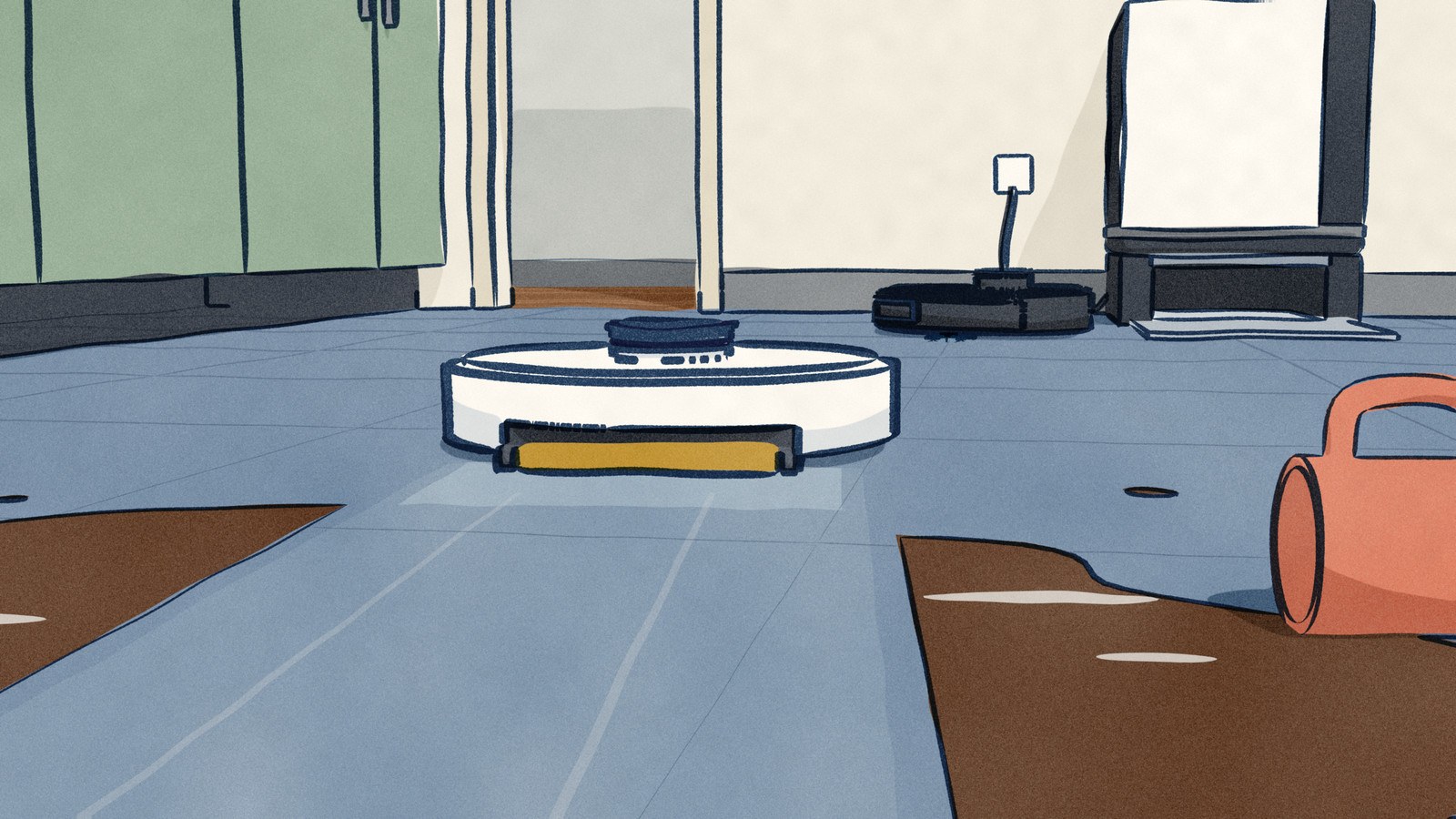
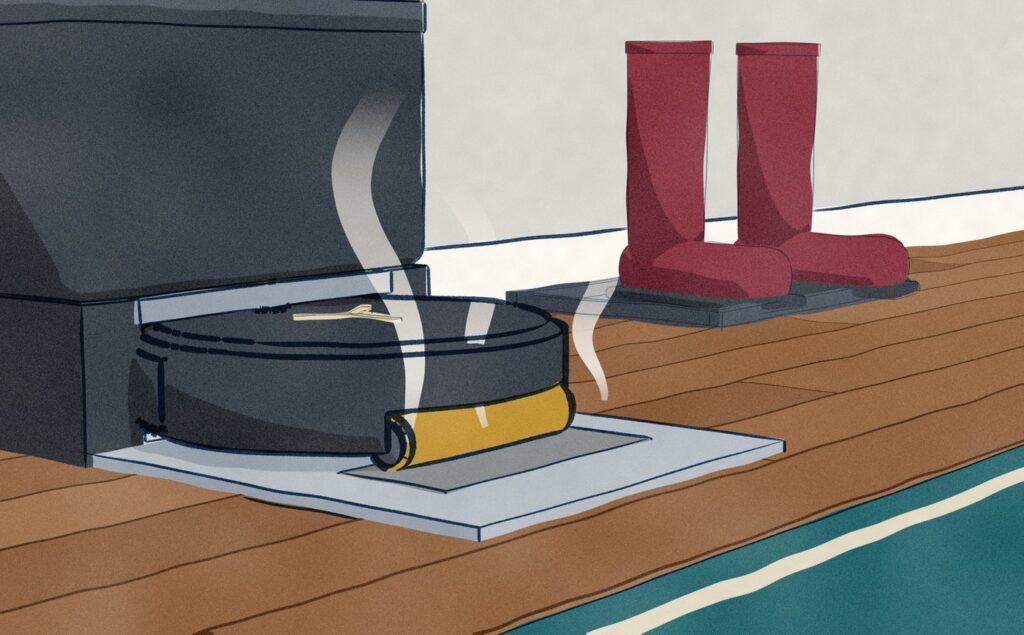
A mop picks up dirt as it goes. These three wash it in different ways: a flat pad rinsed at the dock on a timer, or a roller rinsed and scraped clean while it works.
This page checks
- How the mop is washedAt the dock on a timer, or while it mops
- Wash waterHow hot, as each maker prints it
- DryingWhat happens to the mop after the run
- CarpetHow far the mop lifts
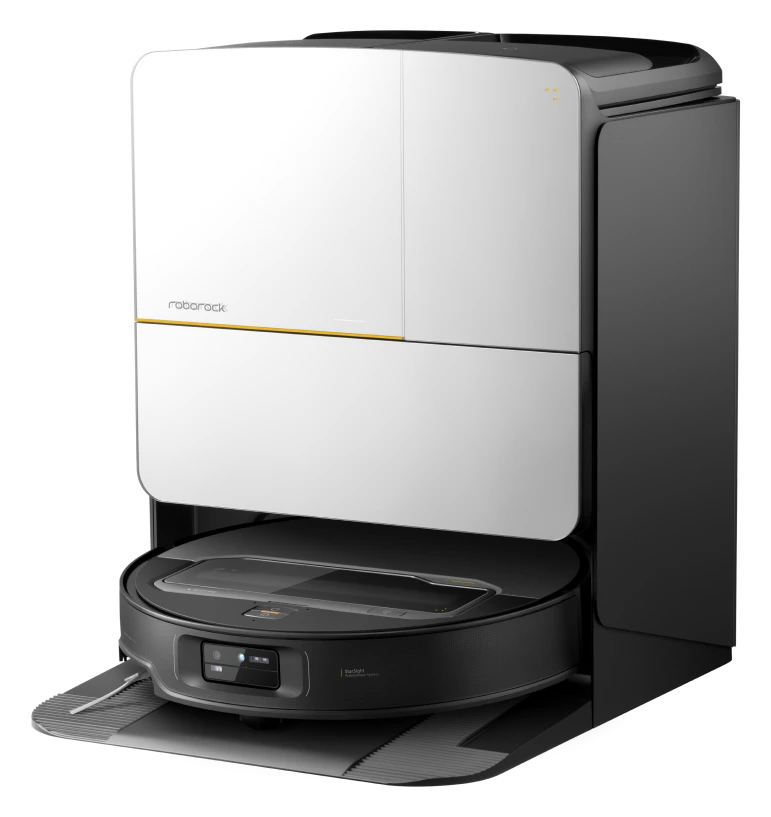
Roborock
Where to buy
Listed as out of stock, coming soon, at Roborock US
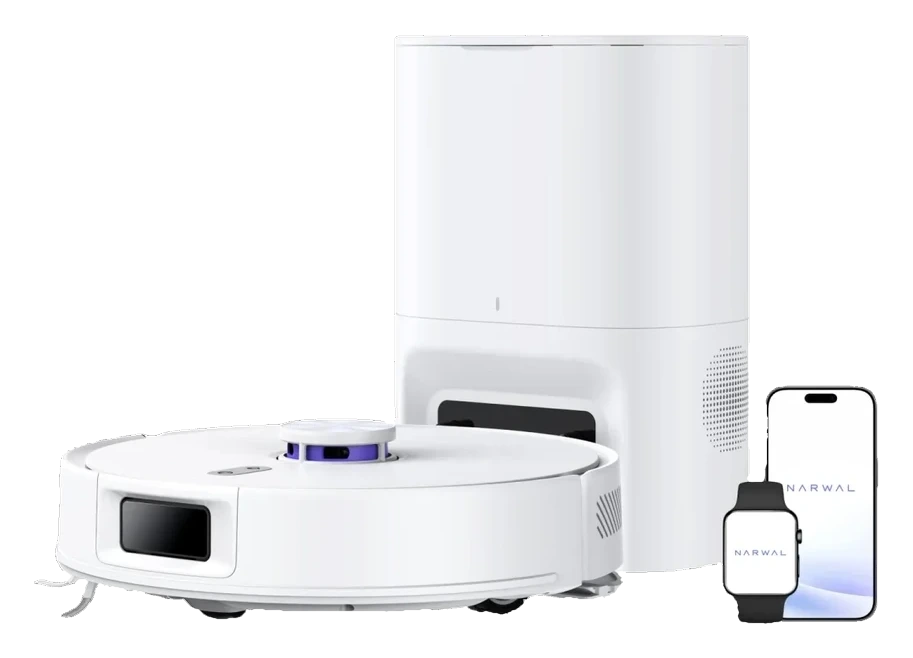
Narwal
Where to buy
Narwal launches White color variant of the Flow 2 flagship vacuum
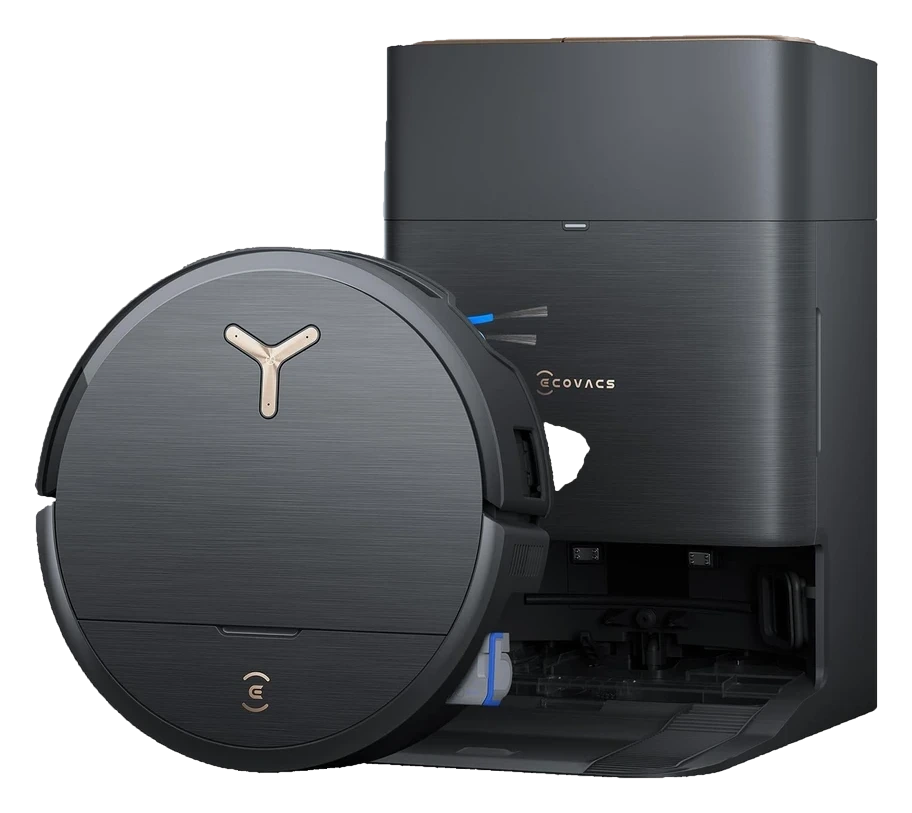
Ecovacs
Where to buy
Full specifications18 figures on record · 16 differ
Some links earn Robovations a commission. Nothing on this page is ranked by it.
 S8 MaxV Ultra
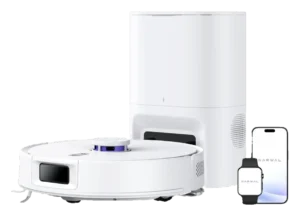 Flow 2
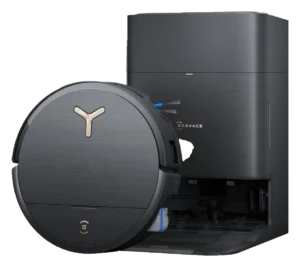 Deebot X9 Pro Omni
When the washing happens
Dock-washed pad or self-cleaning roller
Only the S8 MaxV Ultra uses a flat vibrating pad that goes back to the dock to be washed, every 15 minutes by default. The Flow 2 and the X9 Pro Omni both use a roller that is rinsed and scraped clean while it mops, and both also wash it at the dock.
Vibrating flat pad. It returns to the dock to be washed; the default is every 15 minutes, set in the app.
Roborock support page for this modelRolling track mop. 16 nozzles rinse it as it runs and a scraper pulls dirty water into a separate tank.
Narwal blog on the Flow 2Roller mop. A scraper removes dirty water and clean water is fed back to the roller as it mops.
Ecovacs US product page140°F
Dock heats the wash water.
Roborock US product page140°F
Mopping water up to 140°F. The dock also runs a 212°F full-cycle wash of the mop, pipes and tanks.
Narwal blog on the Flow 2104–167°F
Temperature-controlled mop washing, adjusted by room type and how dirty the mop is.
Ecovacs US product page140°F hot air
Dries the mop and the dock base.
Roborock US product page140°F hot air
The product page lists hot air drying at this temperature.
Narwal US product page145°F hot air
The roller turns while hot air dries it; the page says dry in 2 hours.
Ecovacs US product page0.79in
Lifts up to 0.79 in (20 mm) while it vacuums carpet.
Roborock support page for this model0.40in
Raised when it detects carpet. Narwal’s blog gives 0.39 to 0.47 in.
Narwal US product page0.39in
Automatic lift on carpet and on edge moves (10 mm).
Ecovacs US product pageNot found
No tray cleaning interval found on the product page or the model's support page.
Searched Roborock product and support pagesNot found
No tray cleaning interval found. A hands-on review says the dirty water tank gets grimy after several runs.
Searched Narwal pages; hands-on review, Apr 2026150days
Maker says the washing tray is maintenance-free for 150 days, with 1-2 disassemblies a year.
Ecovacs US product pageSame on all three: hot-air drying at the dock and a mop that lifts on carpet.
Your home
How each one fits a home like yours
Set the conditions that describe your home. Each robot answers from its own Fit Check; nothing is scored until you choose.
Fit check
Describe your home
Pick what applies. Each robot answers from its own record.
Everything else
Where they land among 259 robot vacuums
Only the measures on which these three differ. The bar is the whole category; the block is the typical middle half; the tick is the median.
Sources
Where every figure comes from
- S8 MaxV Ultra · us.roborock.com product page (out of stock, read 2 Oct 2026); help.roborock.com support page for the S8 MaxV Ultra
- Flow 2 · us.narwal.com product page and Flow 2 vs Flow blog; Bob Vila hands-on review, 21 Apr 2026
- Deebot X9 Pro Omni · ecovacs.com/us product page, read 2 Oct 2026
Each washing, temperature and drying figure was read from the maker's page for the exact model on 2 Oct 2026. Where a page was silent the cell says Not found, which does not mean the feature is absent.
Questions
What readers ask
Does the Ecovacs Deebot X9 Pro Omni use flat pads?
No. Ecovacs lists a roller mop with instant self-washing: a scraper removes dirty water and clean water is fed back to the roller while it mops.
How often does the Roborock S8 MaxV Ultra wash its mop?
The support page for this model gives a default of 15 minutes, which can be changed on the wash settings page of the app.
Can I buy the Roborock S8 MaxV Ultra new in the US?
On 2 Oct 2026 Roborock’s US page listed it as out of stock, coming soon.
Common questions