
Approaches compared
Do self-emptying pool robot docks change maintenance, or just the price?
A self-emptying dock moves debris out of the robot. This page asks what is left for the owner afterward: what still gets emptied, how often, and who takes the robot out of the water.
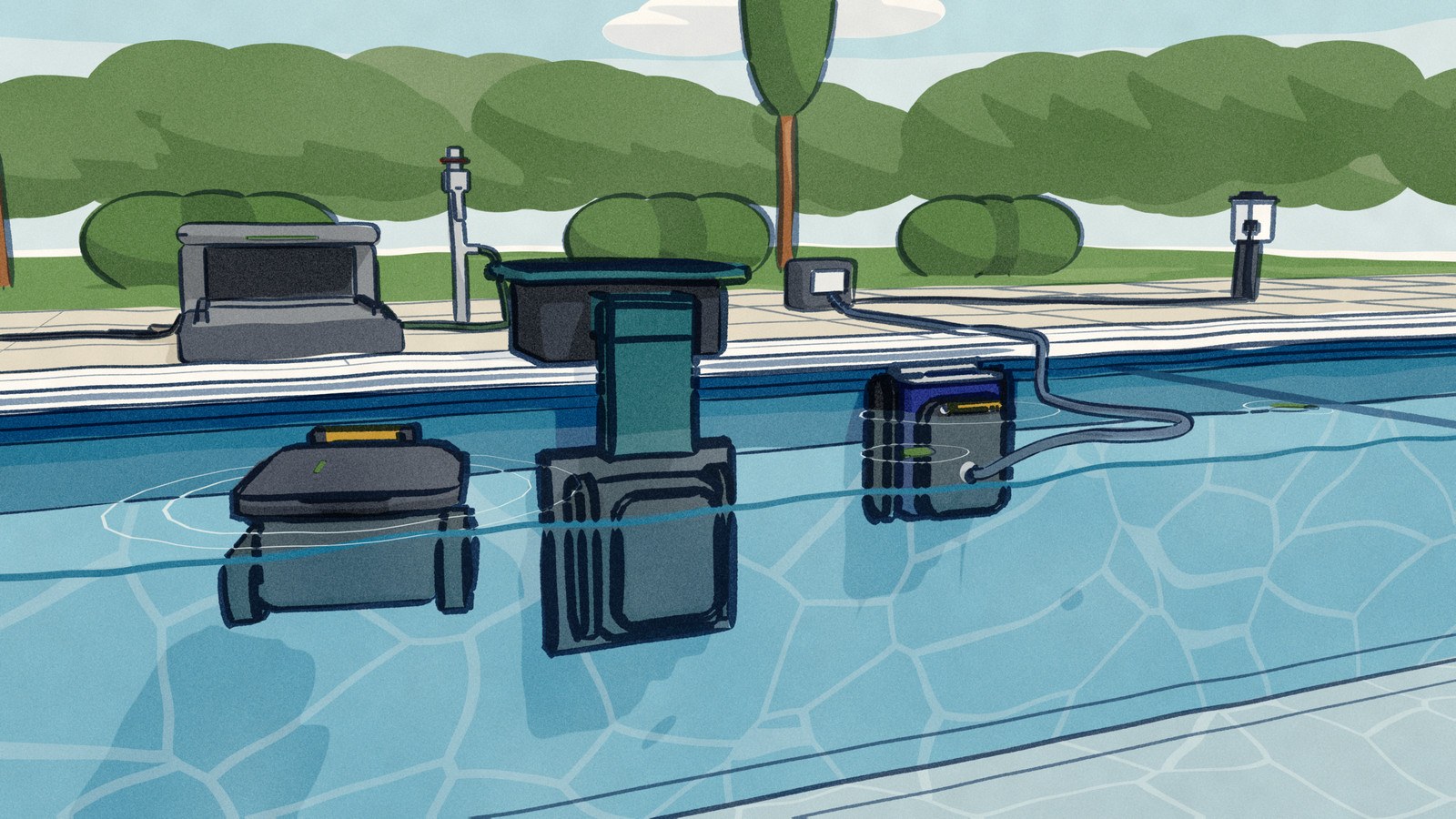
This page checks
- Where the debris goesRobot canister, shore bin or a bag
- What you still emptyAnd how often each maker says
- Getting it out of the poolEvery run, or never
- What the dock asks of your poolWall, hose, drain and outlet

Wybot
Where to buy
Out of stock at Wybot US
Beatbot
Where to buy
Full specifications17 figures on record · 14 differ
Some links earn Robovations a commission. Nothing on this page is ranked by it.
 S3
S3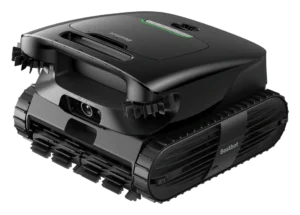 AquaSense X
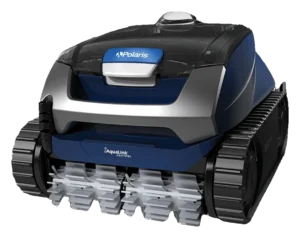 EPIC 8642 iQ
After the run
What each design leaves for the owner
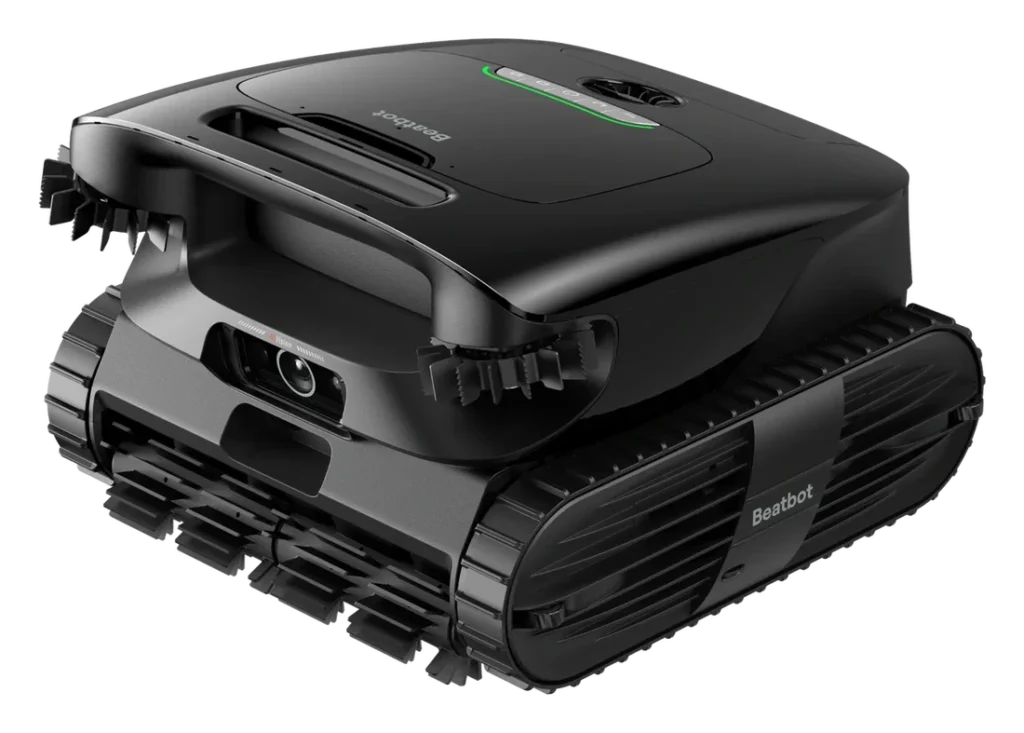
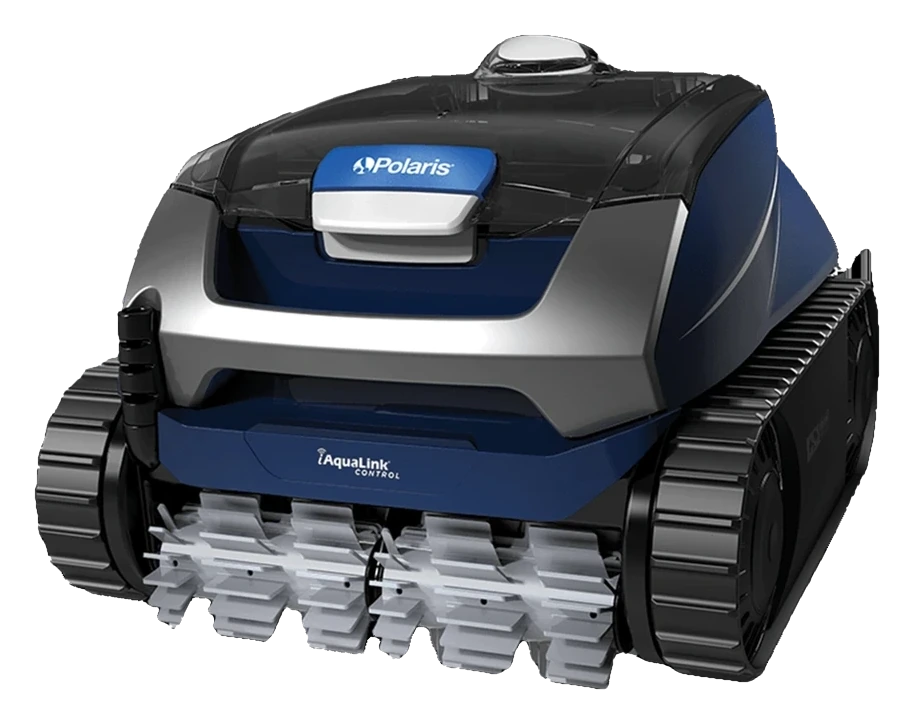
Both docks still leave chores. Wybot's own FAQ says to clean the S3's bin and bag weekly and its basket every two weeks. The AquaSense X is lifted onto its station after every run, and its bag lasts up to two months. The corded Polaris is lifted out and its canister rinsed after every cycle.
10 L shore bin
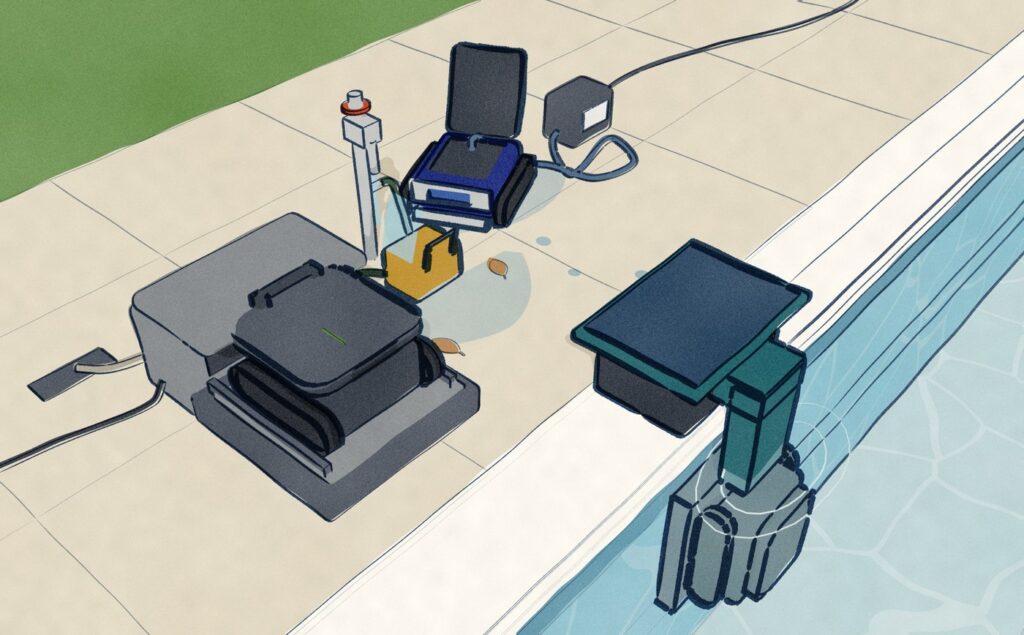
Docked underwater, the robot empties into a filter bag in a drawer on the deck. The transfer takes about 30 seconds.
Wybot S3 user manual22 L bag
Its station rinses the robot's 5 L filter in about 3 minutes and drops the debris into a disposable bag.
Beatbot product page4 L canister
Debris stays in the canister inside the robot. A clear lid shows how full it is.
Dealer listings of Polaris specs- Debris box and bag: weekly
- Robot filter basket: every two weeks
Its manual says the filter bag monthly. Its product page says about once a month.
Wybot S3 FAQ and manualBased on 2 to 3 station uses a week. A hands-on reviewer hosed the basket's top edges every few sessions.
Beatbot product pageThe manual says to rinse the canister after each cycle and deep-clean it now and then with soapy water.
Polaris owner's manualIt returns to its underwater dock to empty and charge. The manual says not to lift it out during a cycle.
Wybot S3 user manualIt parks at the surface. You lift the 28.9 lb robot onto the station, which then aligns it.
Hands-on review, Apr 2026Its Lift System drives it to the waterline and you pull it out by the handle. The manual says not to leave it in.
Polaris owner's manualIt hangs on a flat pool wall in at least 4 ft (1.2 m) of water. Its bin and solar panel sit on the deck.
Wybot S3 user manualFlat ground near an outlet and a tap, with a 12 ft supply hose and 6 ft drain hose. The station weighs 41.9 lb.
Beatbot product pageNo dock. A control box at least 5 ft from the pool, on a GFCI outlet, feeds a 60 ft floating cable.
Polaris owner's manualNo interval found
The filter bag is washed by hand and reused. No replacement interval was found in the manual or on the product page.
Wybot S3 user manual$39.99for 4 bags
List price at Beatbot's store. Each bag is rated for up to two months.
Beatbot storeReplace the brushes at the wear mark or every two years, whichever comes first. No Polaris price was found.
Polaris owner's manualNone to the robot. The deck unit charges by solar panel or a 33 ft (10 m) DC cord.
Wybot S3 user manualNone to the robot. It charges on the station.
Beatbot product pageA 60 ft cable with a swivel. The manual says to untangle it from the robot end after each cycle.
Polaris owner's manualSame on all three: each cleans the floor, walls and waterline, and each is started and scheduled from its maker’s app.
Your home
How each one fits a home like yours
Set the conditions that describe your home. Each robot answers from its own Fit Check; nothing is scored until you choose.
Fit check
Describe your home
Pick what applies. Each robot answers from its own record.
Everything else
Where they land among 76 robot pool cleaners
Only the measures on which these three differ. The bar is the whole category; the block is the typical middle half; the tick is the median.
Sources
Where every figure comes from
- S3 · wybotpool.com S3 product page, specs and FAQ; WYBOT S3 user manual (2025, Wybot download page); one hands-on review (Android Authority, Jun 2026)
- AquaSense X · beatbot.com AquaSense X product page, specs, FAQ and accessory store; Beatbot buying guide on AquaSense X vs AquaSense 2 Ultra; one hands-on review (The Gadgeteer, 13 Apr 2026)
- EPIC 8642 iQ · Polaris robotic cleaner owner's manual H0699900 Rev A (via manua.ls); Polaris specs as listed by dealers (Browning Pools, ePoolSupply)
Intervals are quoted from each maker's manual, product page or FAQ as read on 2 Oct 2026. Polaris's own site blocked automated reading, so its figures come from its owner's manual and dealer listings of its specs.
Questions
What readers ask
Does a self-emptying dock end filter cleaning?
No. Wybot’s FAQ says to clean the S3’s debris box and bag weekly and the robot’s basket every two weeks. Beatbot’s station rinses the filter after each docking, but its bag is emptied up to every two months.
Does the AquaSense X dock itself?
No. It parks at the water surface, and you lift the 28.9 lb robot onto the AstroRinse station. Once set down, it aligns itself. Beatbot says the station does not fit the AquaSense 2 series.
Can the Polaris stay in the pool between runs?
No. Its owner’s manual says to remove it at the end of each cycle, rinse the filter canister each time, and not leave it in the pool permanently. Its Lift System brings it to the wall for pickup.
Common questions