
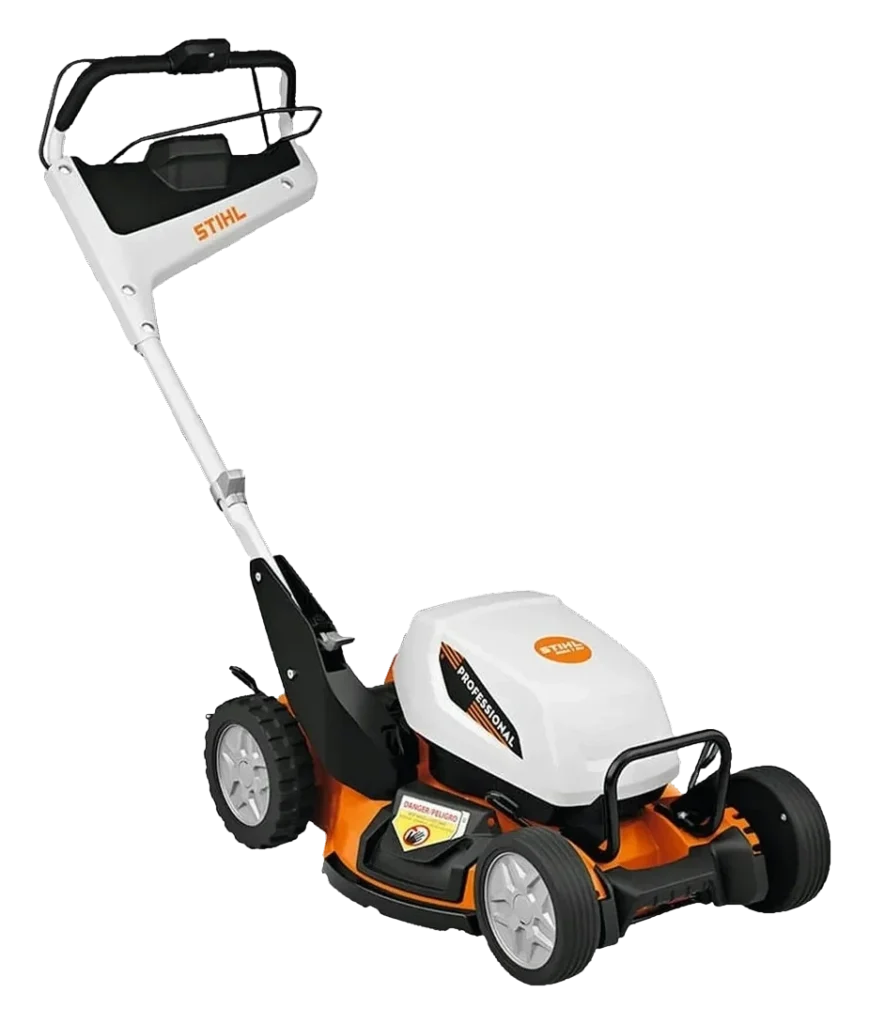
Stihl
Stihl iMow 7
- Autonomy
- IIAssisted
- Score
- 78/100Strong
- Readiness
- Ready Now
- Price
- Not tracked
Stihl
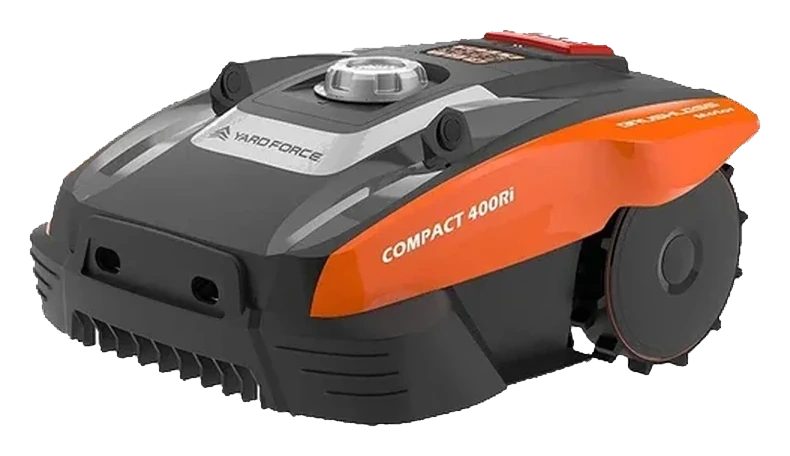
Yard Force
Up to three
All robot lawn mowers. Every figure below is placed against the whole class, so a gap can be read against how much the class itself varies.
The conditions each robot was assessed against, side by side. Rows marked in gold are where these machines genuinely differ.
| Condition | Stihl iMow 7 | Force Compact 400Ri |
|---|---|---|
| Yard size | ||
| Under ¼ acre | GoodOversized for small yards; covers efficiently but underutilizes runtime capacity. | Good30 cm cutting width and 45-minute runtime handle yards under 3,500 sq ft in one to two passes. |
| ¼ – ½ acrethey differ | GoodIdeal deployment zone; systematic pattern and 420-min runtime cover this range in single session. | Depends3,500-5,000 sq ft requires two to three mowing sessions per week due to limited cutting width and runtime. |
| Over ½ acrethey differ | DependsRated 5,000 sq m (~1.24 acres), the top of the iMOW range; larger yards need a second machine rather than a larger one. | PoorOver 5,000 sq ft exceeds practical reach; multiple sessions per week and frequent charging conflicts with hands-off operation. |
| Terrain | ||
| Mostly flat | GoodFlat terrain is the baseline; iMow 7 excels without slope challenges limiting traction. | GoodFlat yards are the design baseline; gyroscope traction control operates optimally on level ground. |
| Gentle slopesthey differ | GoodRated to 45% gradient; moderate slopes are well within operating specifications per owner reports. | DependsRated for slopes up to 12-15 degrees; lightweight design and modest motor may struggle above 12 degrees. |
| Steep / hillythey differ | DependsNear the 45% limit on wet grass, traction degrades; dry conditions perform better than wet. | PoorAbove 15 degrees, traction degrades and motor load exceeds design limits; owner reports document unreliable operation. |
| Grass type | ||
| Typical lawn grass | GoodStandard turf and lawn grasses are the design baseline; systematic mowing pattern optimized for normal growth. | GoodStandard residential turf is the design baseline; consistent results on typical European fescue and bluegrass. |
| Mixed / tall growth | DependsTall or overgrown grass may require multiple passes; blade wear accelerates with dense growth. | DependsOvergrown grass (>3 cm) reduces runtime by 20-25% and motor efficiency; pre-mowing recommended if lawn height exceeds 2.5 inches. |
| Thick (Bermuda / Zoysia) | DependsThick Bermuda or St. Augustine grass reduces cut speed; may require reduced cutting-height settings or longer run-time allocation. | DependsThick or dense grass increases blade dulling and battery drain; maintenance cycles shorten and weekly pre-mowing helps cutting consistency. |
| Boundary setup | ||
| Wireless required | PooriMow 7 requires physical perimeter wire; no wireless virtual-boundary option available. | PoorWire-guided only; iRadar is a safety addition, not a navigation alternative. This mower requires perimeter wire. |
| Wire required | GoodPhysical perimeter wire is the required boundary system; installation is a one-time setup cost. | GoodPerimeter-wire system is the sole navigation method; iRadar sonar complements wire-based operation for obstacle detection. |
| No preference | GoodUses perimeter wire. Fits readers with no boundary preference; wire is required. | GoodWire is required; no wireless fallback. If you can accept wire commitment, the Compact 400Ri works well with iRadar safety enhancement. |
A robot being poor for a condition is a fact about fit, not a fault. “Depends” means the record names a limit worth reading, not that the answer is unknown.
Nine inputs across three pillars, each weighted as shown and each scored so more is better. A robot can lead on one and trail on another, which is the point of showing them apart.
A number only means something next to the spread it sits in. Each track is the real range across every classified robot in the class, with the median marked.
Not compared, because fewer than two of these robots carry a published figure: Price.
Written on each record, and the only thing here every robot on the site carries.
What each design gives up to be good at what it is good at.
Wire installation is a permanent setup: any lawn reconfiguration requires physical wire relocation, unlike virtual-boundary or GPS-based alternatives.
Systematic mowing pattern reduces pass overlap compared to random-path alternatives, but the iMow 7 slows for what its ultrasonic sensors register and bumps the rest; it does not plan a route around a newly placed obstacle.
iRadar safety sensing increases cost but does not upgrade autonomy level. Ultrasonic obstacle detection reduces collision frequency (owner reports cite fewer dock impacts); the mower remains wire-dependent and cannot operate without boundary infrastructure.
Stated by the record itself. A robot being wrong for a household is a fact about fit, not a fault.
The upkeep ownership hands back to you, whatever the autonomy level says.
Classifications rest on different depths of evidence. A pre-release assessment and a verified one are not the same kind of claim.
| Robot | Evidence status | Sources reviewed | Last assessed |
|---|---|---|---|
| Stihl iMow 7 | Pending | 5 | Aug 2026 |
| Yard Force Compact 400Ri | Pending | 2 | Aug 2026 |
Evidence status counts the sources behind a classification, not their kind. A high count can be maker documentation and price coverage, so read it as how much was reviewed rather than as independent testing. How we weigh evidence.
 The full recordStihl iMow 7Specifications, evidence, the Fit Check in full, and every tracked change.
 The full recordYard Force Compact 400RiSpecifications, evidence, the Fit Check in full, and every tracked change.
Robovations classifies robots; it does not rank them. Nothing on this page is a recommendation, and no manufacturer influences a classification or its placement here.
Comparing across classes is allowed — the page will switch to per-class positioning and tell you it has.