

Stiga
Stiga A 1500
- Autonomy
- IIIConditional
- Score
- 66/100Capable
- Readiness
- Ready Now
- Price
- Not tracked
Stiga
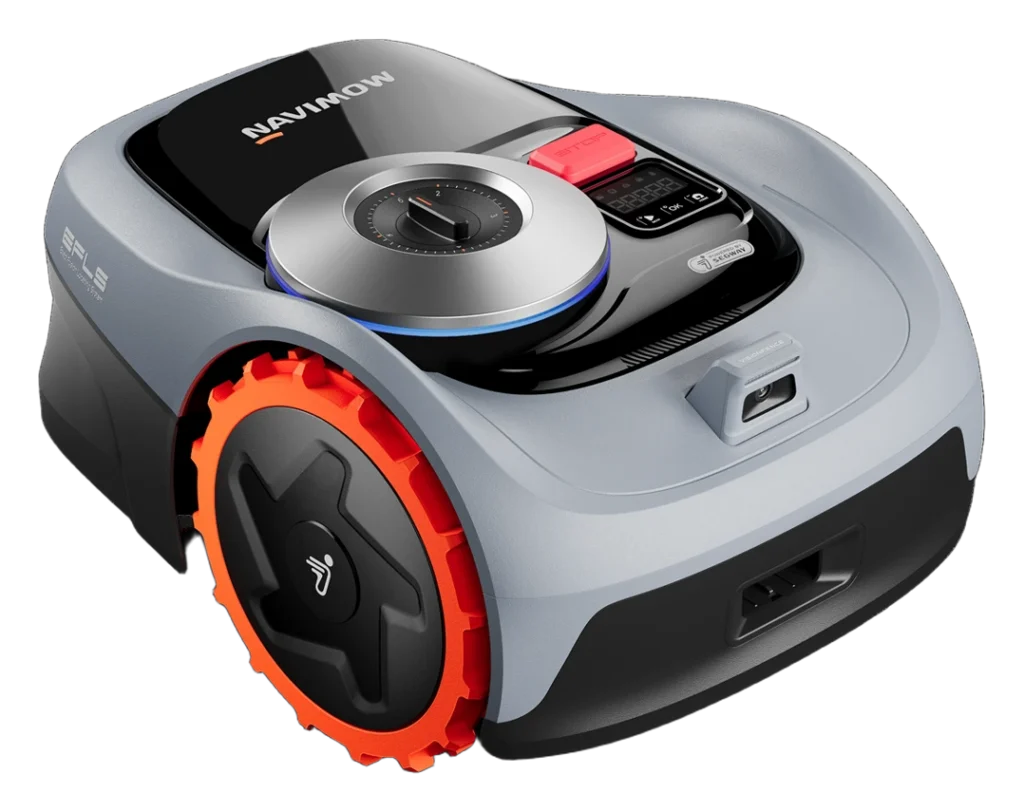
Segway
Up to three
All robot lawn mowers. Every figure below is placed against the whole class, so a gap can be read against how much the class itself varies.
The conditions each robot was assessed against, side by side. Rows marked in gold are where these machines genuinely differ.
| Condition | Stiga A 1500 | Segway Navimow i105N |
|---|---|---|
| Yard size | ||
| Under ¼ acre | GoodCovers sub-quarter-acre reliably in one charge without repositioning. | GoodSized for lawns under roughly a quarter acre, matching the i105N's entry-tier coverage rating in Segway's own specs. |
| ¼ – ½ acrethey differ | GoodHalf-acre properties fit within one to two charge cycles; systematic routing optimizes coverage. | DependsCoverage tops out well under half an acre; expect multiple charge cycles or incomplete single-session coverage near that size. |
| Over ½ acrethey differ | DependsOver-half-acre requires three or more cycles; multiple charge sessions reduce autonomous appeal. | PoorRated coverage falls well short of half an acre; Segway markets the i108N, i110N or H-series for bigger lots. |
| Terrain | ||
| Mostly flat | GoodFlat terrain with clear sky view allows RTK positioning to work reliably; systematic coverage is efficient. | GoodRTK-plus-camera navigation and front-wheel traction control are documented for level turf. |
| Gentle slopesthey differ | DependsSlopes up to 12 degrees are manageable; RTK positioning accuracy remains stable but motor strain increases. | GoodSegway rates the front-wheel-drive chassis and off-road traction control for slopes up to 30%, covering most moderate residential grades. |
| Steep / hillythey differ | PoorSlopes above 15 degrees cause traction loss and RTK positioning stress; not recommended. | DependsDocumented slope tolerance tops out at 30%; yards with grades beyond that are outside the published rating, and Segway positions AWD H-series models for the steepest terrain. |
| Grass type | ||
| Typical lawn grass | GoodStandard grass species cut reliably with scheduled blade maintenance and systematic patterns. | GoodDesigned for regular residential turf mowed on a frequent robotic schedule. |
| Mixed / tall growth | DependsTall grass clogs blades and strains motor; more frequent blade changes needed. | DependsAdjustable cutting height has a documented ceiling; overgrown grass from a missed schedule needs a manual pre-cut first. |
| Thick (Bermuda / Zoysia)they differ | DependsThick turf increases motor load; weekly cleaning and frequent blade maintenance required. | PoorSmall pivoting blades and a light, mow-often design are not built to clear thick, overgrown turf in one pass. |
| Boundary setup | ||
| Wireless required | GoodRTK virtual boundaries are defined via app without physical wire; ideal for wireless-preference users. | GoodThe mower's entire design point is EFLS: RTK positioning fused with AI camera vision, with no buried perimeter wire at all. |
| Wire required | PoorThe Stiga A 1500 is wire-free; physical perimeter-wire owners may need different product. | PoorThere is no wired-boundary option on this line; owners who specifically want a buried-wire system need a different mower. |
| No preference | GoodVirtual boundary app setup works for any yard without wire infrastructure. | GoodAny boundary preference is satisfied since the i105N never requires a wire in the first place. |
A robot being poor for a condition is a fact about fit, not a fault. “Depends” means the record names a limit worth reading, not that the answer is unknown.
Nine inputs across three pillars, each weighted as shown and each scored so more is better. A robot can lead on one and trail on another, which is the point of showing them apart.
A number only means something next to the spread it sits in. Each track is the real range across every classified robot in the class, with the median marked.
Not compared, because fewer than two of these robots carry a published figure: Price.
Written on each record, and the only thing here every robot on the site carries.
What each design gives up to be good at what it is good at.
Satellite positioning removes the perimeter wire but moves the constraint to sky view: the included reference station needs an open mounting position, and heavy canopy or a narrow side yard can leave the mower without a usable fix where a buried wire would not have cared.
Cloud dependency for boundary storage and scheduling means service outages disable operation; the robot cannot mow without app connectivity to retrieve saved boundaries.
Wire-free setup skips the trenching every boundary-wire mower requires, but it trades that convenience for RTK signal dependency that a buried wire never had to worry about.
Entry-tier coverage area: sized and priced for small, simple lots, not the acreage Segway markets its H-series line to handle.
Stated by the record itself. A robot being wrong for a household is a fact about fit, not a fault.
The upkeep ownership hands back to you, whatever the autonomy level says.
Classifications rest on different depths of evidence. A pre-release assessment and a verified one are not the same kind of claim.
| Robot | Evidence status | Sources reviewed | Last assessed |
|---|---|---|---|
| Stiga A 1500 | Provisional | 5 | Aug 2026 |
| Segway Navimow i105N | Pending | — | Sep 2026 |
Evidence status counts the sources behind a classification, not their kind. A high count can be maker documentation and price coverage, so read it as how much was reviewed rather than as independent testing. How we weigh evidence.
 The full recordStiga A 1500Specifications, evidence, the Fit Check in full, and every tracked change.
 The full recordSegway Navimow i105NSpecifications, evidence, the Fit Check in full, and every tracked change.
Robovations classifies robots; it does not rank them. Nothing on this page is a recommendation, and no manufacturer influences a classification or its placement here.
Comparing across classes is allowed — the page will switch to per-class positioning and tell you it has.