
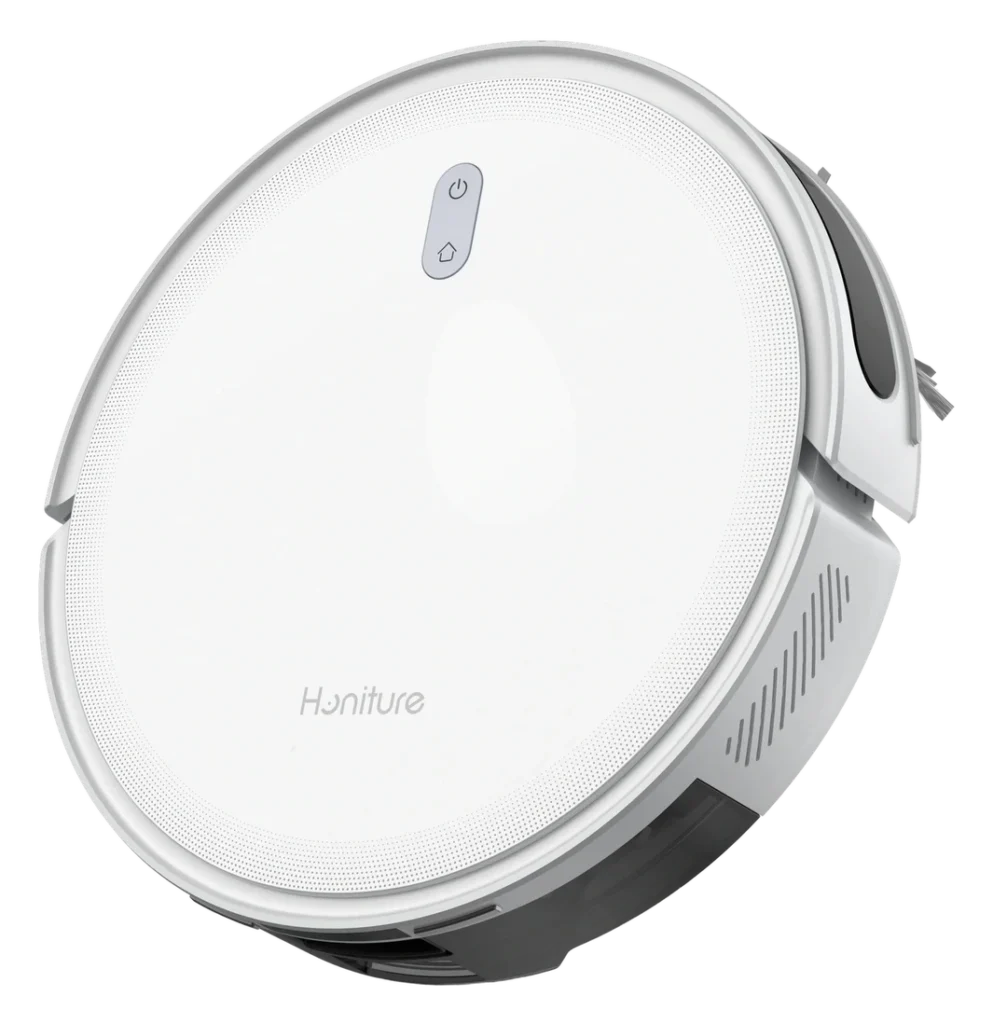
Honiture
Honiture T10 Robot Vacuum
- Autonomy
- IIIConditional
- Score
- 48/100Limited
- Readiness
- Known Issues
- Price
- $429.99list
Honiture
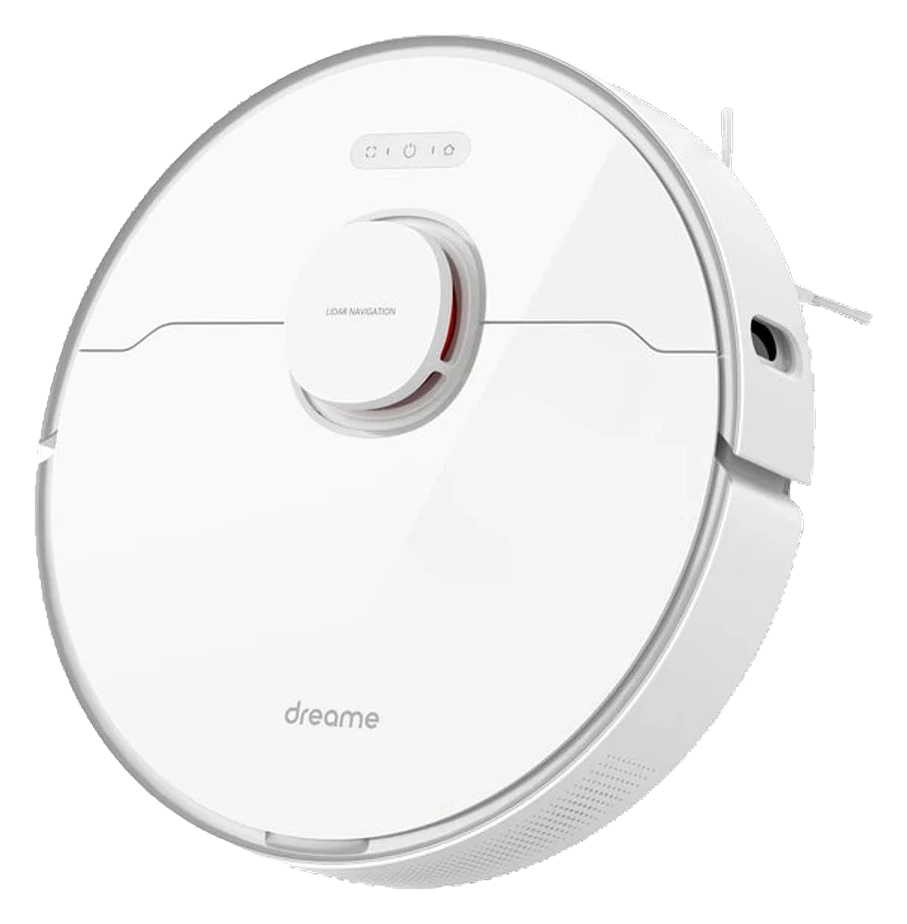
Dreame
Up to three
All robot vacuums. Every figure below is placed against the whole class, so a gap can be read against how much the class itself varies.
The conditions each robot was assessed against, side by side. Rows marked in gold are where these machines genuinely differ.
| Condition | T10 Robot Vacuum | Dreame L10 Pro |
|---|---|---|
| Home size | ||
| Under 1,500 sqft | GoodIt resumes cleaning after recharging rather than restarting, and the small 250ml bin and 300ml tank suit lighter single-run footprints. | Good160-min runtime covers under-1,500 sqft reliably; single-pass execution is typical. |
| 1,500 – 3,000they differ | Depends120-minute runtime is short for this range; it resumes after its roughly 5-hour recharge rather than restarting, so coverage takes longer. | GoodOpen-plan 1,500-3,000 sqft homes work well; dock return may trigger above 2,800 sqft. Structured floorplans finish in one run. |
| Over 3,000 | DependsThe roughly 5-hour recharge and 120-minute runtime, the shortest documented here, mean a home this large may need multiple charge cycles. | DependsRuntime peaks at 160 min. Homes above 3,000 sqft require dock return mid-clean; second cycle adds 5-10 min mapping overhead. |
| Primary floors | ||
| Hard floors | GoodA fetched retailer listing describes the T10 as suited to hard floors and tile, its documented core use case. | GoodDual-laser excels on sealed hard floors and tile; precision obstacle detection prevents bumps. |
| Low / medium pile | GoodIt auto-boosts suction when carpet is detected, and a fetched retailer listing includes low-pile carpet among its suited floor types. | GoodLow-pile carpet handled well; suction at 2,200 Pa is adequate. Visible debris rare after passes. |
| High pile / shag | PoorA fetched retailer listing names hard floors, tile, and low-pile carpet as suited floor types, but does not list high-pile carpet. | PoorOwner reports show suction loss on shag and high-pile; dual-laser does not compensate for power ceiling. |
| Mopping needs | ||
| Vacuum only | GoodVacuums first; the mop pad is optional. | GoodVacuums first; the mop pad is optional. |
| Light mopping | GoodFlat mop pad handles light, routine wiping of hard floors. | GoodFlat mop pad handles light, routine wiping of hard floors. |
| Frequent mopping | DependsA dragged pad freshens floors but lacks the pressure or scrubbing for heavy, frequent mopping. | DependsA dragged pad freshens floors but lacks the pressure or scrubbing for heavy, frequent mopping. |
| You want to… | ||
| Empty bin myself | GoodThe small 250ml dustbin and 300ml water tank need manual emptying and refilling after most runs, matching hands-on upkeep. | GoodWeekly laser and side-brush cleaning needed; monthly filter/bag swaps required. Not hands-off. |
| Empty occasionallythey differ | DependsNo self-emptying or self-washing dock is documented; the small 250ml bin and 300ml tank need attention more than occasional check-ins. | GoodSelf-emptying dock reduces bin touching; consumables (filter, bag, mop) rotate monthly-quarterly. |
| Set-and-forget | PoorOnly a standard charging dock is documented; the small 250ml bin and 300ml tank need frequent manual handling, not hands-off. | PoorDust bag, filter, side brush, and mop pads need regular replacement. Passive ownership impossible. |
A robot being poor for a condition is a fact about fit, not a fault. “Depends” means the record names a limit worth reading, not that the answer is unknown.
Nine inputs across three pillars, each weighted as shown and each scored so more is better. A robot can lead on one and trail on another, which is the point of showing them apart.
A number only means something next to the spread it sits in. Each track is the real range across every classified robot in the class, with the median marked.
Not compared, because fewer than two of these robots carry a published figure: Noise.
Written on each record, and the only thing here every robot on the site carries.
What each design gives up to be good at what it is good at.
The lower purchase price reflects a standard charging dock rather than a self-emptying or self-washing base, shifting more routine handling onto the owner.
Stores up to 5 floor maps for multi-story navigation, but the small onboard dustbin and water tank limit how much of that mapped area can be covered before manual attention is needed.
The L10 Pro adds 3D obstacle avoidance the D9 does not have, and rated suction rises from 3,000 Pa to 4,000 Pa. Mopping hardware is unchanged: the same flat pad, no lift, no dock washing.
The premium over the D9 buys obstacle avoidance and a third more rated suction. It buys nothing on the mop side; the pad, the 270 ml tank and the manual rinse are identical.
Stated by the record itself. A robot being wrong for a household is a fact about fit, not a fault.
The upkeep ownership hands back to you, whatever the autonomy level says.
Classifications rest on different depths of evidence. A pre-release assessment and a verified one are not the same kind of claim.
| Robot | Evidence status | Sources reviewed | Last assessed |
|---|---|---|---|
| Honiture T10 Robot Vacuum | Pending | 1 | Aug 2026 |
| Dreame L10 Pro | Verified | 6 | Aug 2026 |
Evidence status counts the sources behind a classification, not their kind. A high count can be maker documentation and price coverage, so read it as how much was reviewed rather than as independent testing. How we weigh evidence.
 The full recordHoniture T10 Robot VacuumSpecifications, evidence, the Fit Check in full, and every tracked change.
 The full recordDreame L10 ProSpecifications, evidence, the Fit Check in full, and every tracked change.
Robovations classifies robots; it does not rank them. Nothing on this page is a recommendation, and no manufacturer influences a classification or its placement here.
Comparing across classes is allowed — the page will switch to per-class positioning and tell you it has.