Why do new home robots take your money before they ship?
Reservations, Kickstarter pledges, monthly plans, multi-year order books: a wave of 2026 robots collected payment first. What does paying early buy?
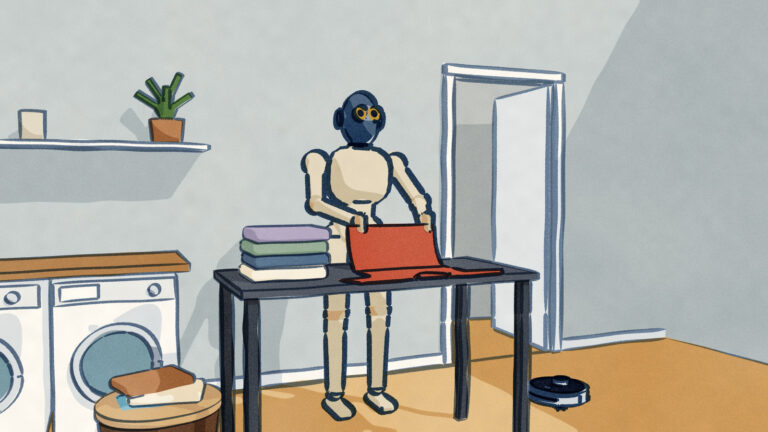
Weave Robotics will sell you a home robot that folds laundry for $7,999. You can also rent one for $449 a month. Or, for now, you can put down a fully refundable $250 deposit and wait: the first Isaac 1 units ship in fall 2026, California first, and the rest of the country through 2027.
That third option is the new one. Paying before a product exists is ordinary for a car or a house. For a household machine it is unusual, and in 2026 it showed up across the board.
What you pay for early is not the robot. It is a place in a queue, and an assumption that the company will still be shipping when your number comes up. How safe that assumption is varies more than the price does.
Figure
What a preorder deposit actually buys
- The depositWhat actually changes hands at preorder: a payment, and a position in a queue.
- No published endOperator overhead, integration and maintenance are costs every platform in the category has, and none of them has priced.
- Quotedhardware, the one figure verifiable at the point of sale
- Not quotedoperator overhead, integration and maintenance
Or consider Beni, a small robot camera that follows you around and films as it goes. Its maker, Mondo Robotics, did not open a store. It opened a Kickstarter, and by mid-July it had raised nearly $1.5 million from more than 2,200 backers, with units slated to ship in October. The early pledge was $549, against a planned $799 at retail.
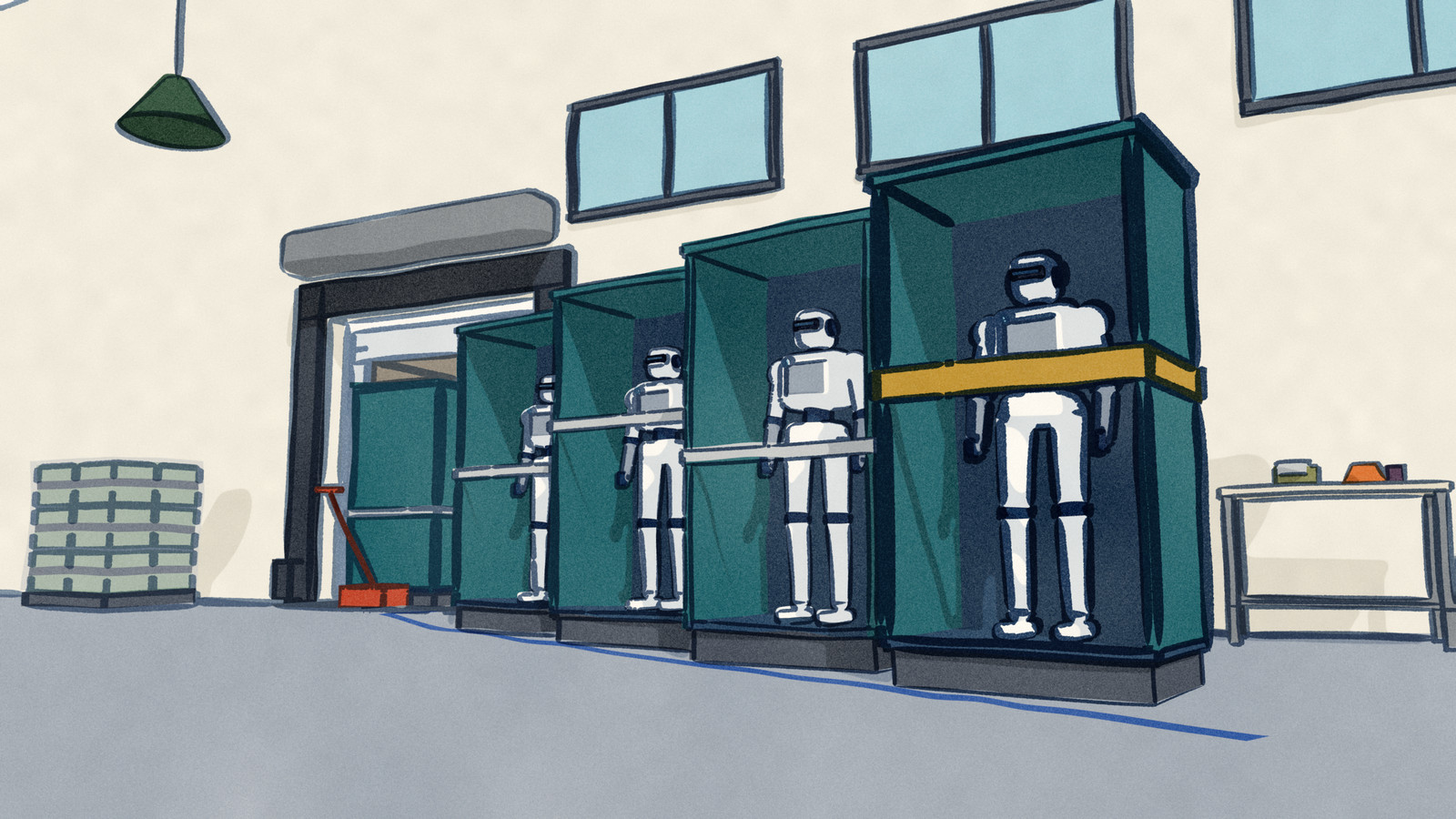
At the other end sits Agility Robotics, whose Digit 5 is not a home robot at all. It is a humanoid built to work in warehouses and factories alongside people. When Agility launched it in September, the figure it led with was more than $300 million in multi-year customer orders, for a machine whose early access is set for early 2027 and general availability for late in the year.
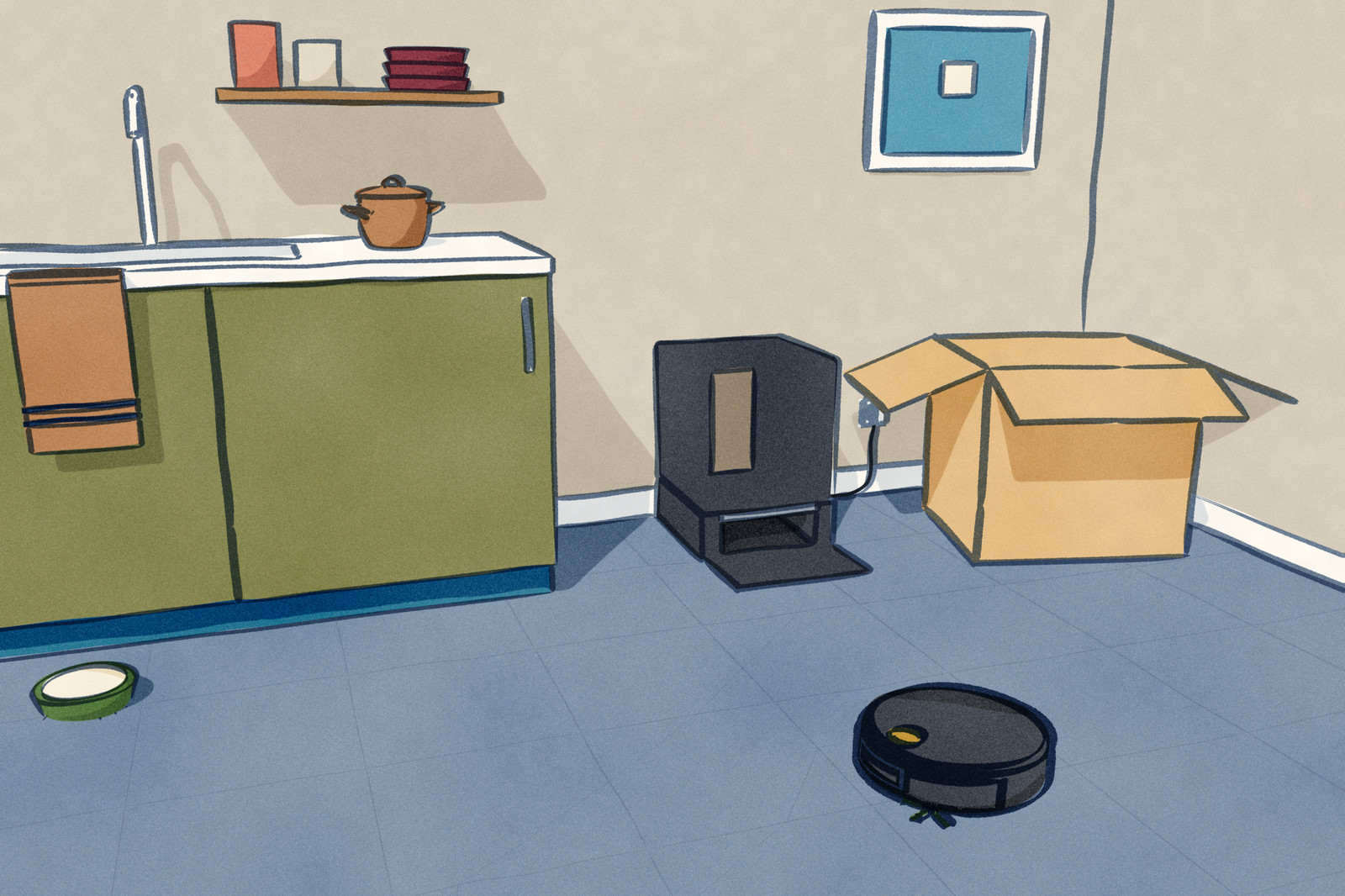
Set against that, the ordinary case looks almost quaint. iRobot put its Roomba Max 875 Combo on sale in September at $1,199.99, available immediately through its own site, with shipping to begin within two weeks and retail stores carrying it later that month. You pay once, it arrives, you own it. No deposit, no queue, no monthly line.
How four 2026 robots take payment
| Robot | What you pay | When it ships |
|---|---|---|
| Weave Isaac 1 | $7,999 once, $449 a month, or a $250 deposit | Fall 2026, then through 2027 |
| Mondo Beni | $549 Kickstarter pledge, $799 at retail | Slated for October |
| Agility Digit 5 | Enterprise orders, $300M booked | Early access early 2027, wider late 2027 |
| iRobot Roomba Max 875 Combo | $1,199.99, one time | On sale now |
The thread running through these launches is not price. The Weave robot costs more than six times the vacuum, and the warehouse order book dwarfs both. What differs is when the money and the machine change hands.
A vacuum is a settled product, so it still sells the settled way. A laundry-folding humanoid, a robot that chases joggers, and a cage-free factory worker are promises. A promise sells more easily as a reservation, a pledge, or an order than as a box on a shelf.
For a buyer, the question under all of it is what happens if the machine is late, or never arrives. Weave says its $250 is fully refundable. A Kickstarter pledge funds a campaign, and a ship date on a campaign is a target, not a receipt.
The $300 million order book belongs to warehouses, not living rooms. Of the four, only the $1,199.99 vacuum answers the question by already being something you can take home.