Delivery robots in Chicago are now defendants in biometric privacy lawsuits
Two Cook County lawsuits accuse Coco Robotics and Serve Robotics of scanning customers' faces and hands during routine Chicago deliveries.
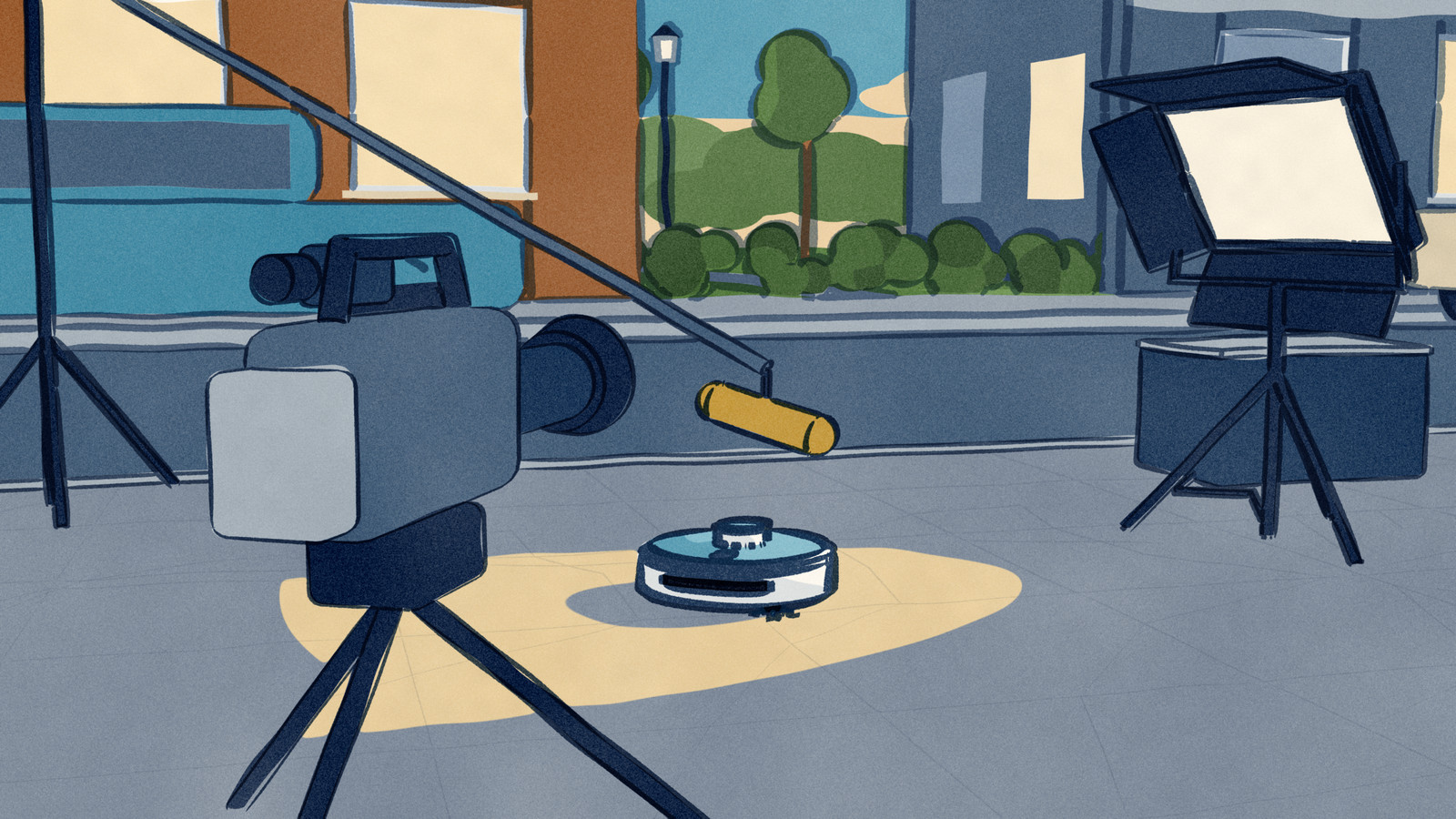
Two Chicago residents filed proposed class-action lawsuits in Cook County circuit court on October 9, 2026, accusing sidewalk delivery robot operators Coco Robotics and Serve Robotics of violating Illinois’ Biometric Information Privacy Act. The law sets damages at $1,000 for a negligent violation and $5,000 for an intentional or reckless one, and the complaints count the violations per delivery.
The suits center on the cameras and LiDAR sensors every sidewalk robot already carries to find curbs and avoid pedestrians. Plaintiff Mitchell Breidinger says a Coco robot delivered his DoorDash order in September 2025 without his having chosen robot delivery. Barry Schain says a Serve robot handled three of his Uber Eats orders, most recently on October 4, 2026.
Both complaints allege the robots measured the three-dimensional geometry of their faces and hands each time a delivery compartment unlocked, down to the distance between the nose bridge, cheekbones, brow and jaw. The suits go further than the two named plaintiffs: they say the same sensors record the faces, hands and bodies of any pedestrian who passes close by, even if that person never ordered anything.
The complaints add that Coco shares footage with OpenAI and other companies to train AI models, and that Serve licenses its video and LiDAR data to outside parties for the same purpose, storing it without blurring or anonymizing faces, legal reporting on the case says.
This lawsuit fundamentally misunderstands our technology, we have not collected biometric data in Chicago, and we are confident that this frivolous lawsuit will go away.
A Serve Robotics spokesperson gave a similar denial, telling reporters the robots’ cameras and sensors exist to navigate Chicago sidewalks safely and that Serve’s systems are not designed to identify individuals or build biometric profiles. Neither company has said in public filings whether it will seek dismissal or settle.
The robots these suits describe are already working the sidewalks they are accused of surveilling. Coco’s delivery bots carry DoorDash orders and Serve’s carry Uber Eats orders across Chicago neighborhoods today, and both kept running through the weeks after the filings.
Anyone who orders delivery in the robots’ service areas, or simply walks past one on a sidewalk, is the population these complaints describe, whether or not they ever opted into robot delivery.
A filed complaint is an allegation a court has not yet tested. No judge or regulator has found that Coco or Serve violated Illinois’ law, and both companies deny that their sensors are built to recognize anyone.
The case also rests on a biometric privacy statute Illinois enforces more aggressively than nearly every other state, so a ruling here would not automatically reach the same robots delivering food in cities without a BIPA-style law.
What happens to the data the suits describe as already collected, including recordings of pedestrians who were never asked and are not party to either case, is a question neither complaint answers.