Amazon is building a second home robot after Astro
Job postings describe a 'new-to-world' device, but Amazon has not said what it looks like, what it costs, or when a buyer could own one.
Amazon has organized a new engineering group around a humanoid robot it did not build. A report of three live job postings, published November 8, 2026, found the company hiring for what one listing called a ‘new-to-world robot product.’ The postings describe a UX designer tasked with human-robot trust, a cloud engineer for fleet connectivity and telemetry, and a field technician for in-home repairs.
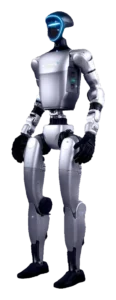
The group formed around Fauna Robotics, a startup Amazon acquired on March 24, 2026, bringing roughly 50 Fauna employees into what it now calls the Personal Robotics Group. Fauna’s own robot, Sprout, is a 42-inch, 50-pound humanoid with 29 joints that walks, grips and dances. It launched January 27, 2026 at $50,000 a unit, sold to research labs, universities and hospitality venues rather than households.
The job postings talk about a device, one Amazon has not shipped. The listings describe navigating ‘dynamic home environments’ and operating ‘alongside family members,’ recruiting language with no spec sheet behind it. Amazon has not said whether the robot it eventually ships will stand on two legs like Sprout, roll on wheels, or take some other form.
Amazon is committed to tackling the challenges that can unlock the personal robotics category.
No owner of Amazon’s first home robot, Astro, gets anything from this announcement. Astro sold for $1,450 on an invite-only basis starting in 2021 and reached only a few thousand households before a business version arrived in 2023 and was discontinued within a year.
The only machine carrying Sprout’s hardware that a buyer can order today is the $50,000 Creator Edition, built for labs and classrooms. Nobody who wants a home robot from Amazon has one to buy yet, from either generation.
A team, a line of job openings and an acquired supplier are what Amazon has confirmed. A shipping date is not one of them. Nothing reported names a price, a release window, or even a settled body plan for whatever this group eventually builds, and a spokesperson’s statement about unlocking a category is a goal, not a product description.
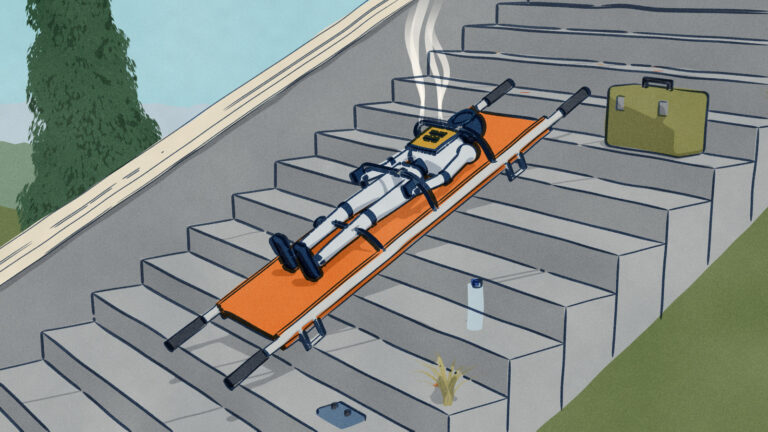
The earlier device is still a reminder of how that can go. One Astro owner described the wait for a discontinued robot to stop working on its own: ‘stuck with it, and we’ll let it run around the house until it eventually dies, then send it to the trash heap.’