A robot learned 50 new tasks from five demonstrations each
A handful of demonstrations taught a robot model dozens of new tasks in a lab. What separates that result from a machine that could do this at home?
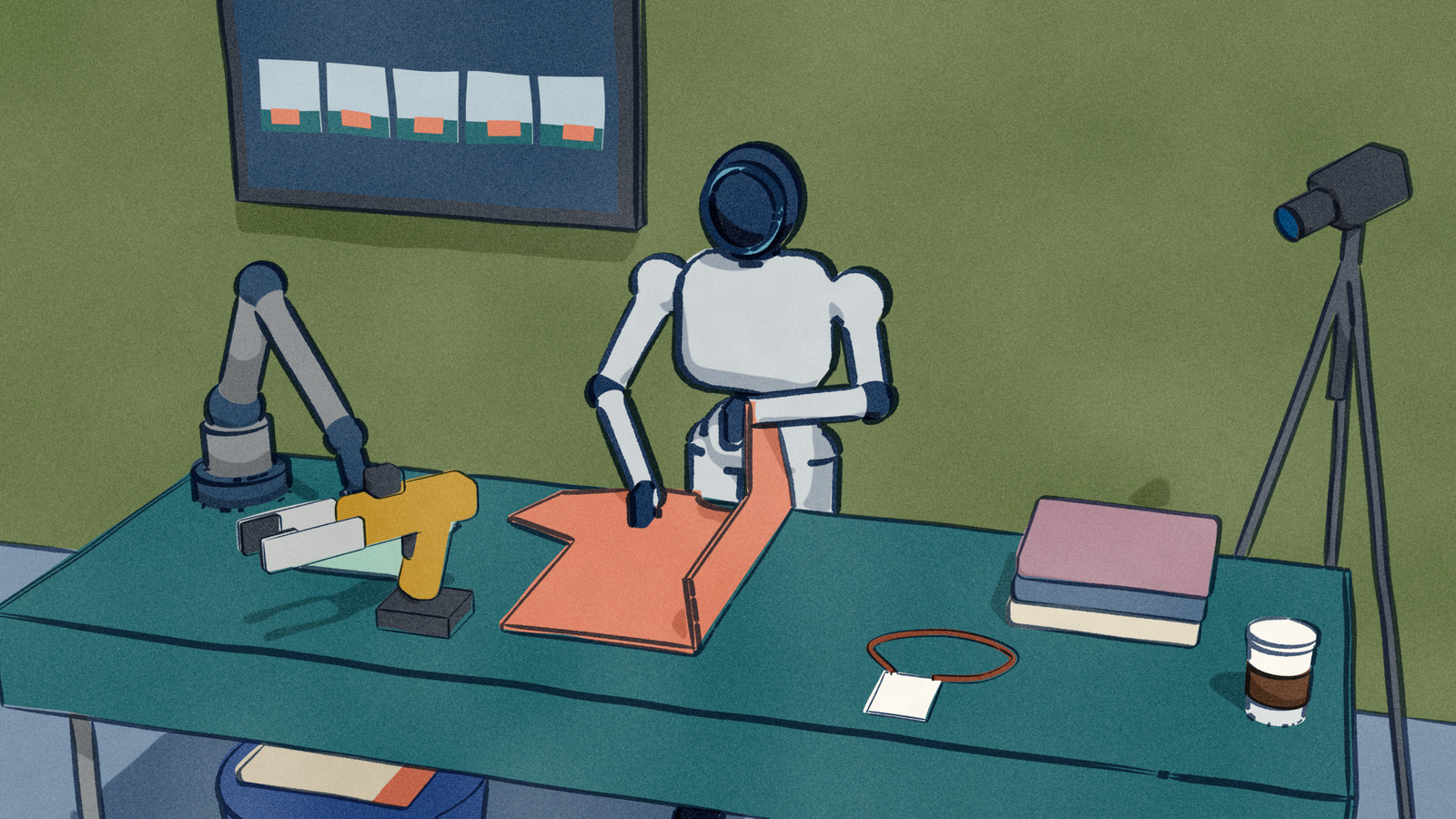
At the Conference on Robot Learning in Austin on November 9, 2026, NVIDIA showed a version of its GR00T 2 model that learned 50 tasks it had never seen before. It was shown each one five times. On those 50, it then succeeded 95 percent of the time.
The same model, given those 50 tasks with no examples at all, completed them 40 percent of the time. Five short demonstrations moved it from fewer than half to almost all.
Each task took five demonstrations and under three minutes of robot-specific data. A 30-minute fine-tune on a single RTX 5090 graphics card followed.
The demonstrations did not have to come from the robot that would perform the task. A person doing the job on video, a handheld gripper, or a different machine’s body all counted as examples the model could learn from.
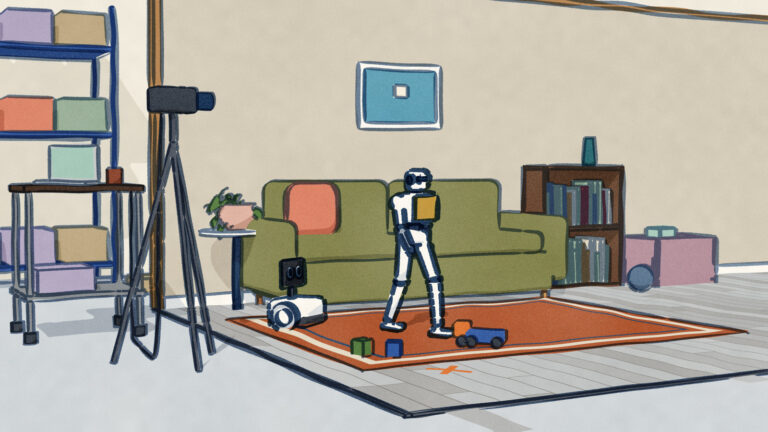
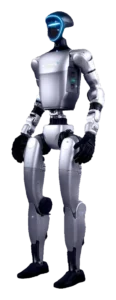
The machines in the trials were research platforms: a Unitree G1 humanoid running a faster variant called GR00T 2 Turbo, alongside a YAM robotic arm and a five-fingered robotic hand. None are machines a person could buy and run at home.
The setting was an academic conference, and the distance between that bench and an appliance is most of the work.
The real finding is narrow. Skills learned from human video, a handheld gripper, or one robot’s teleoperation can be carried onto a different body with a few examples, instead of retraining from scratch for every new machine.
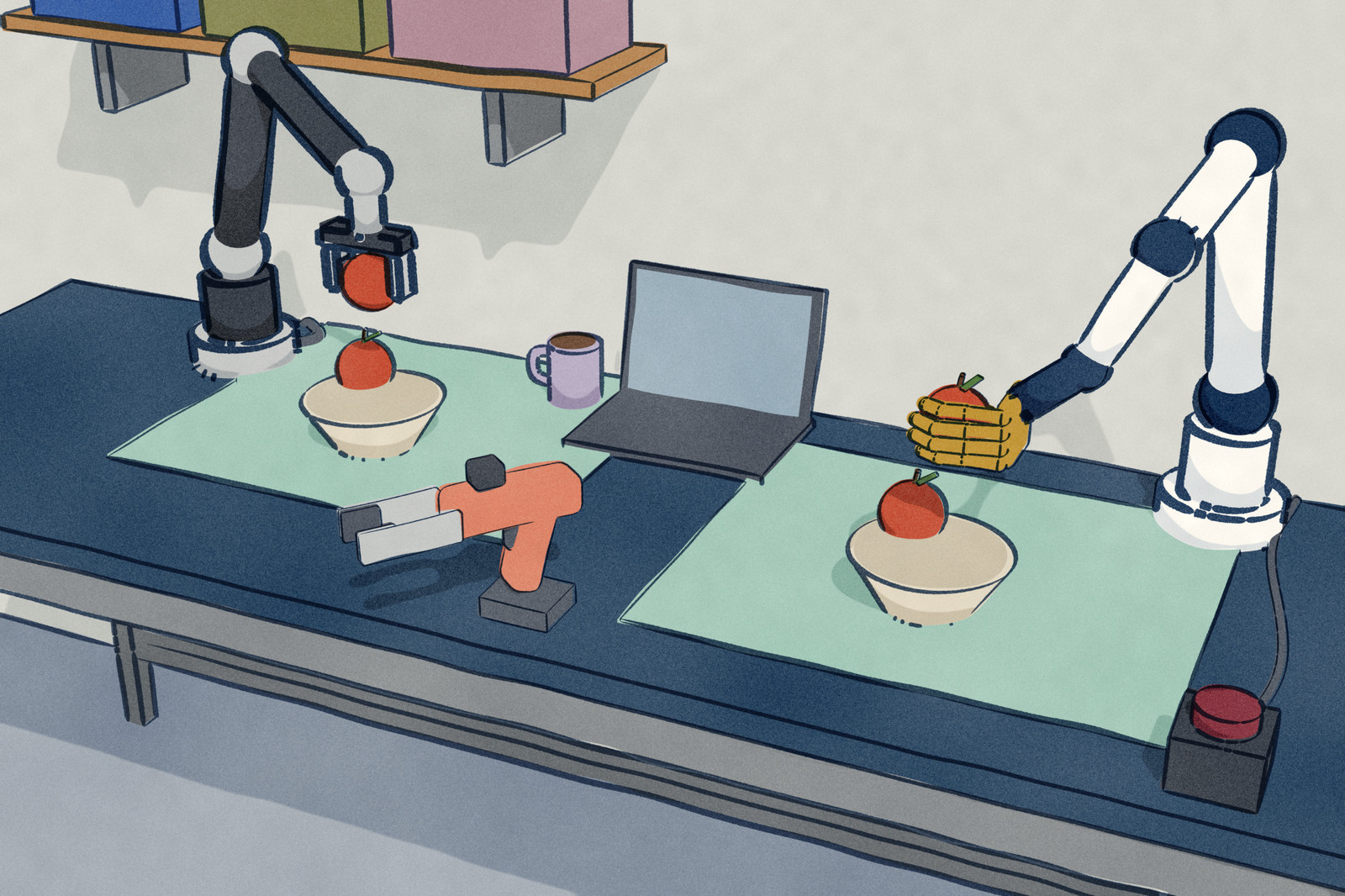
Every 95 percent came from 50 chosen tasks on a lab bench. No run has been published on arbitrary household jobs, in settings outside controlled trials, or at the reliability a home or workplace would need before leaving a robot to work unwatched.