Robot-vacuum sensor maker Camsense opens a Hong Kong IPO two months into a US rule on foreign-made robots
Shenzhen Camsense, a supplier of spatial sensors for robot vacuums, is listing in Hong Kong while an FCC action on foreign-made robots leaves its customers’ next models in question.
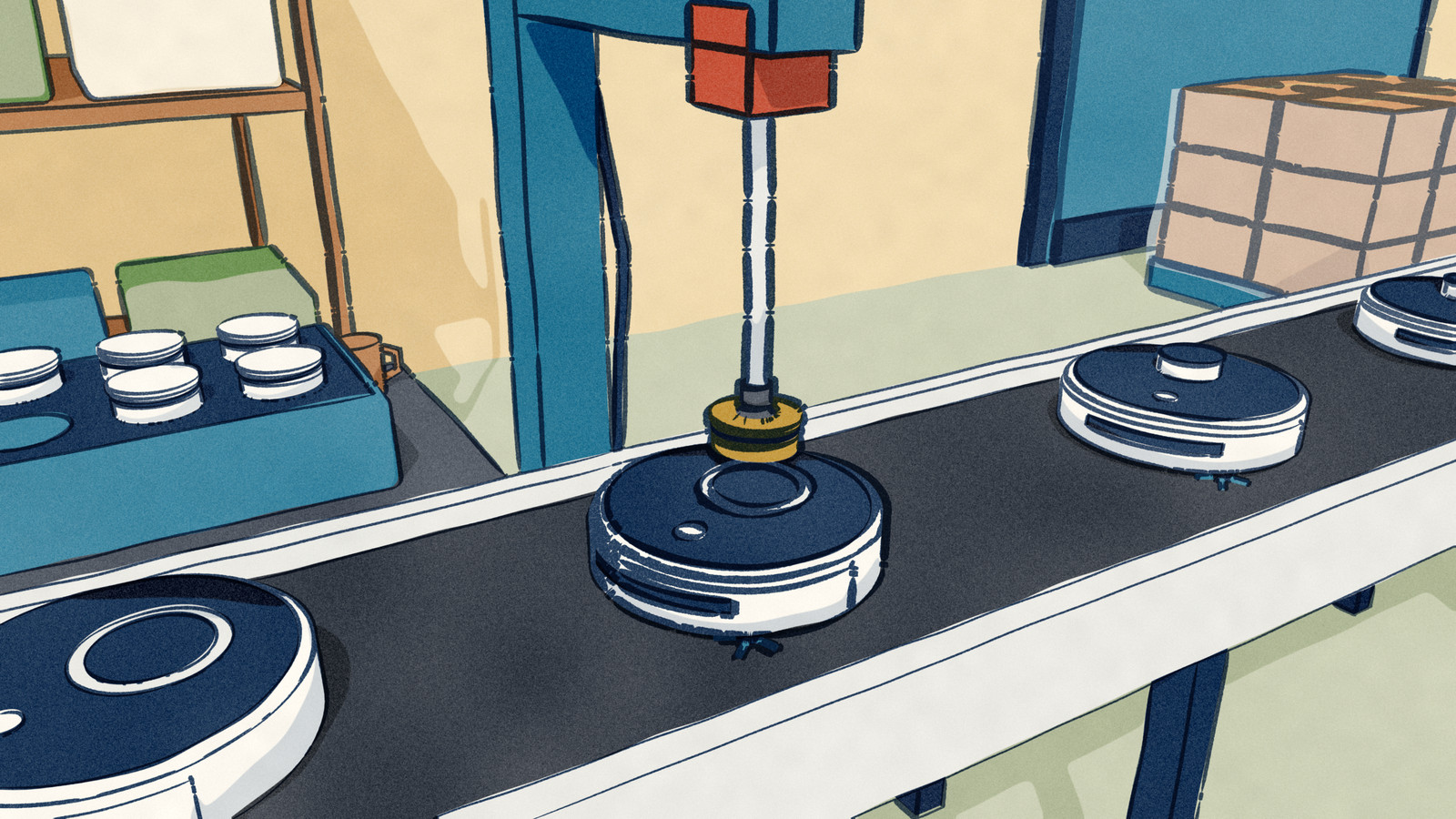
Shenzhen Camsense Technologies, which supplies spatial sensors to robot-vacuum makers, opened its Hong Kong initial public offering to subscribers on September 22 at a fixed HK$58.85 a share. The Standard put the gross raise at HK$682 million from about 11.59 million shares, with trading due to begin September 30. The South China Morning Post gave the target as HK$680 million, or US$86.7 million.
Two cornerstone investors have committed HK$110 million between them. AASTOCKS reported the split as HK$100 million from Golden Link, a BYD subsidiary, and HK$10 million from Taiwan ZMAX, a unit of Jiaxing ZMAX Optech. It put net proceeds at about HK$615 million.
What the FCC added in July
The offering opened eight weeks after the Federal Communications Commission’s Public Safety and Homeland Security Bureau added “foreign-produced advanced robotic devices” to the Covered List, in the same notice that added foreign-produced power inverters. The July 28 public notice takes its definition of an advanced robotic device from a National Security Determination attached as an appendix, and the text version of the notice on the Commission’s document server does not reproduce that appendix. The notice says the new entries are “identified by place of production, not by entity,” so the rule turns on where a device is made and names no company.
Coverage of the IPO has read the category as including robot vacuums. The Post described the action as covering advanced robotic devices “including robotic vacuum cleaners” and “blocking new models from obtaining the equipment authorisation required for US import and sale.” The body of the notice does not mention vacuums, which leaves the appendix’s definition as the text that decides whether a given vacuum is covered.
What Camsense says about its customers

Camsense co-founder Zhou Kun, quoted by the Post, said shipments to existing customers are continuing. “The export and procurement for our existing client products remain normal, with potential disruption limited to new product development schedules,” he said. “We have maintained close communication with clients. Currently, our research and development progress and order intake remain unaffected.”
The Standard reported that first-quarter revenue rose 48.7 percent from a year earlier to 195.9 million yuan, and that Camsense booked a net profit of 7.76 million yuan for the quarter against a loss of 6.67 million yuan in the same period of 2025.
Zhou’s account describes Camsense’s own orders. The authorization the Post describes is the one a finished vacuum needs before its maker can import and sell it in the US, so the exposure sits with the brands that build Camsense sensors into their machines. The coverage of the offering names no Camsense customer and gives no figure for how much of its revenue ends up in vacuums sold in the United States.
Zhou placed the possible disruption in new product development schedules, which is where a foreign-built vacuum would meet the Covered List: as a new model seeking authorization. Whether a given model falls inside the category turns on the definition in the determination’s appendix and on where the machine is built, and the vacuum brands buying Camsense’s sensors will face that question model by model as they file for US authorization.