
- Changes
- 2
- Tracking since
- Nov 2020
- Latest
- Sep 22, 2021
- Net movement
- Classification stable
- 2021
-
Piaggio Fast Forward cuts gita price to $2,950 alongside gitamini launch
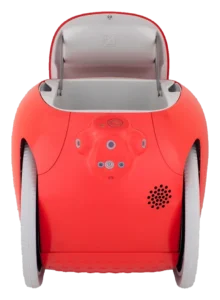
Piaggio Fast Forward cut the gita's retail price from $3,250 to $2,950 in September 2021, the same month it introduced the smaller, cheaper gitamini at $1,850.
Full assessment3 claims · 3 technical notes · 2 sources
Where it standsAutonomy LadderIIIIIIIVVLevel IIIConditional AutonomyHuman ReadinessReady NowNew to MarketWaitKnown IssuesRobovations Score04055708557CapableWhat happenedThe move positioned gita as the higher-capacity option in a two-model lineup rather than a standalone $3,250 purchase.
WatchingWhether further price adjustments follow as gitamini establishes itself in the lineup.
Bottom lineThe lineup expansion redefined gita as the higher-capacity model rather than the only option, with a price cut acknowledging cost as a barrier to adoption.
ImpactOn autonomy
- No autonomy capability change; this event was a pricing and lineup adjustment.
- Underlying camera-based following and navigation behavior was not altered by the announcement.
On readiness
- Retail price fell to $2,950, narrowing the affordability gap with the entry-level gitamini.
- A two-model lineup gave buyers a lower-cost following-robot option for the first time.
Claim check3 maker claims checked against the record. Open one to read the finding.
gitamini extends the following-robot concept to a smaller, more affordable form factor
Documented findingCoverage from the September 2021 launch confirms gitamini started at $1,850, about 37% below gita's new $2,950 priceTwo-model lineup broadens who the following-robot concept serves
Documented findingThe original gita's price was cut by $300 from its November 2019 launch price of $3,250 to $2,950 the same month gitamini was announcedgitamini carries cargo and follows its owner like gita
Documented findingSpecs reported at launch show gitamini's roughly 20 lb capacity is about half of gita's documented 40 lb payloadEvidence2 sources · all linked
2122 Sep 202125 Sep 2021filed 22 Sep 2021- 1InceptiveMind25 Sep 2021
- 2Hypebeast22 Sep 2021
Technical notes3 sectionsPricing Change
Piaggio Fast Forward began selling the original gita on November 18, 2019 at a retail price of $3,250. In September 2021, the company cut that price by $300 to a permanent $2,950, rather than a limited-time promotion.
Lineup Expansion
The price cut was announced alongside gitamini, a smaller sibling robot priced at $1,850 and slated to go on sale in October 2021. Manufacturer and press coverage describe gitamini as carrying up to 20 lb of cargo for up to roughly 21 miles per charge, versus the documented 40 lb payload capacity of the original gita.
What Changed and What Did Not
Coverage of the announcement did not report any change to gita’s following behavior, camera-based user tracking, or documented top following speed of 6 mph. The event was a commercial repositioning: a lower list price on the existing gita hardware, paired with a smaller, cheaper model introduced beneath it in the product lineup.
- 2020
-
Piaggio Fast Forward launches gita B2B pilot programs at airports and campuses
Piaggio Fast Forward opened pilot programs placing gita in business settings for the first time in November 2020, targeting airports, shopping malls, marinas, and food delivery, with Cincinnati/Northern Kentucky International Airport among the first sites.
Full assessment3 claims · 3 technical notes · 2 sources
Where it standsAutonomy LadderIIIIIIIVVLevel IIIConditional AutonomyHuman ReadinessReady NowNew to MarketWaitKnown IssuesRobovations Score04055708557CapableWhat happenedThe pivot moved gita past its original direct-to-consumer positioning.
WatchingWhether any pilot converts into a standing commercial deployment.
Bottom lineThe announcement documented a market-expansion pilot, not a new capability or a confirmed lasting commercial contract.
ImpactOn autonomy
- No autonomy capability change; the pilots used the existing consumer following system.
- Piloted deployments tested the existing camera-based user-following hardware, not new autonomous behavior.
On readiness
- Business pilots tested applications beyond individual ownership, including airport and campus mobility.
- Cincinnati/Northern Kentucky International Airport served as an early named commercial test site.
Claim check3 maker claims checked against the record. Open one to read the finding.
Pilot programs will "further amplify better mobility for all
Documented findingCoverage documents pilots limited to a handful of announced partners and locations such as Cincinnati/Northern Kentucky International Airport, not a broad rolloutNew applications across travel, hospitality, real estate, retail, and food delivery
Documented findingNamed coverage confirms only a small number of specific pilot sites at launch, with broader adoption undocumented at the timeBusiness pilots position gita as workplace and public-space mobility infrastructure
Documented findingThe underlying hardware and following technology were unchanged from the $3,250 consumer gita already on saleEvidence2 sources · all linked
122 Nov 20209 Nov 2020filed 2 Nov 2020- 1Businesswire2 Nov 2020
- 2The NFA Post9 Nov 2020
Technical notes3 sections
Pilot Program Scope
Piaggio Fast Forward announced pilot programs on November 2, 2020 testing gita in business-to-business settings, a shift from the robot’s original direct-to-consumer positioning at $3,250. Announced target sectors included travel, hospitality, real estate, retail, and local food delivery, with testing planned across airports, shopping malls, and marinas. The pilots represented the company’s first documented attempt to generate revenue from gita outside individual consumer sales since its November 2019 commercial launch.
Named Pilot Site
Coverage of the announcement named Cincinnati/Northern Kentucky International Airport (CVG) as one of the first pilot partners. The hardware used in these pilots was the existing gita unit; no revised sensor package, payload capacity, or following-speed specification accompanied the announcement.
What This Did Not Confirm
The announcement described pilot testing, not a signed commercial contract or a completed deployment. No pilot from the November 2020 announcement was confirmed in subsequent coverage as converting into a permanent commercial installation. Later reporting documented a separate, specific deployment at Philadelphia International Airport’s OrderAtPHL food-delivery program in February through April 2021, distinct from this initial pilot announcement.