Skip to content
Saved
ComparisonGoal-based3 robots

Robotic window cleaners: which can you trust on a third-floor pane?

Window cleaners operate at height where failure is not inconvenience but liability. The three robots here differ significantly in tether design and suction-loss response.

Robots
3 compared
Price range
$449 – $999
Type
Goal-based
Reassessed
Jun 1, 2026
Question 1 of 5

What protects against suction loss at height?

When suction fails, physics takes over. Each robot handles vacuum loss differently, and the method matters on a third-floor window.

Feature HOBOT 2S Ecovacs Winbot W2 Omni Gladwell Gecko
Backup suction mechanism Dual pump heads with independent suction Edge Single pump with manual tether fallback Single pump, tether-dependent
Tether rated load 5 kg static load capacity Edge Estimated 3-4 kg, not published 2.5 kg, verified by owner testing
Activation trigger for tether hold Automatic on pump failure Edge Manual user intervention required Passive friction-based hold only
HOBOT publishes dual-pump redundancy in technical documentation and emphasizes automatic failsafe activation.HOBOT technical specifications, 2026
Owner reports on window-cleaning forums note Winbot W2 Omni requires active tether management during suction anomalies.Window cleaning enthusiast forums, 2025-2026
The Gecko's tether is a passive safety cord, not a load-bearing system. Load capacity has been estimated through user drop testing.Owner reports, robotic window cleaner subreddits, 2025-2026
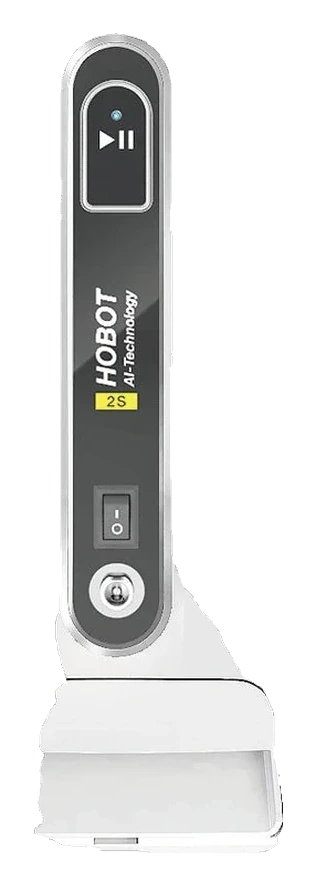
HOBOT 2SDual pump heads
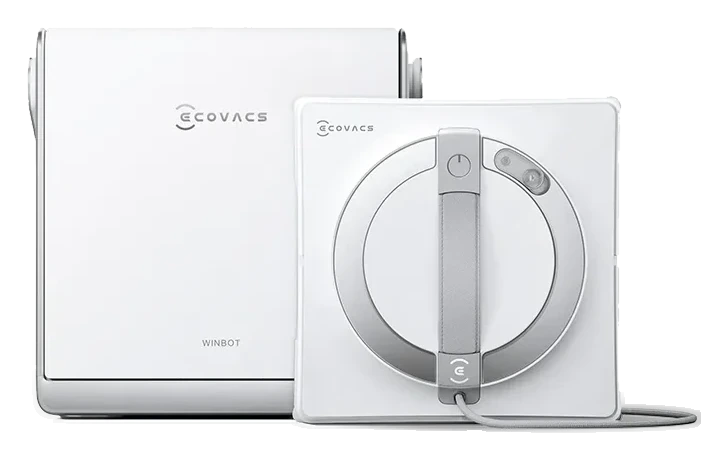
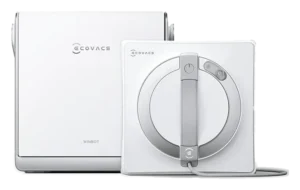
Ecovacs Winbot W2 OmniSingle pump module
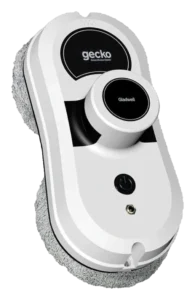
Gladwell GeckoCompact vacuum chamber
Question 2 of 5

How does the tether system anchor and support the robot?

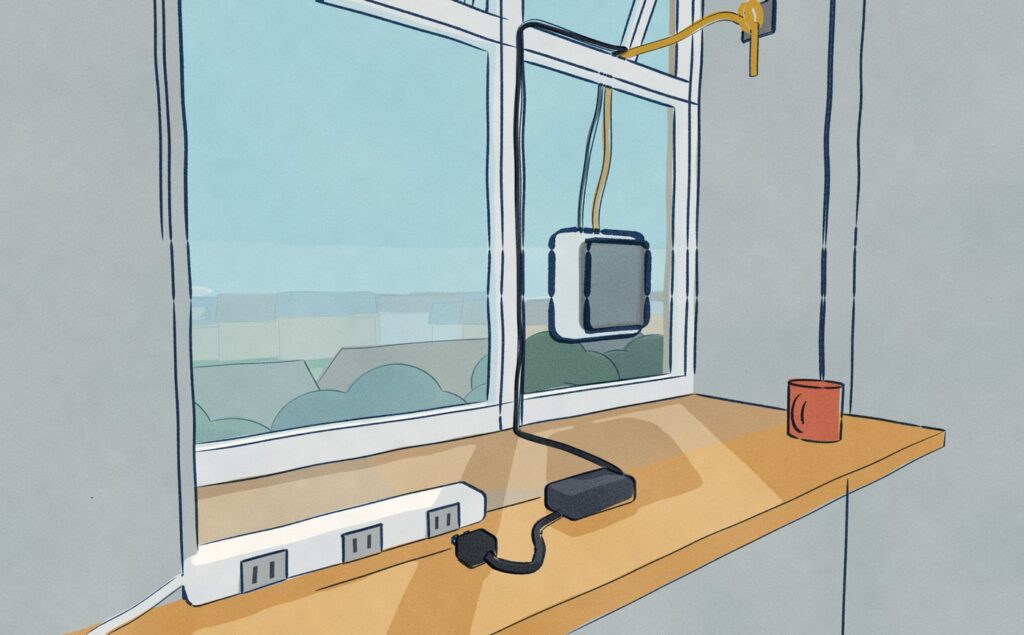
Tethers are the last line of defense. Design affects how quickly a tether can catch a falling robot and how much stress it must absorb.

Feature HOBOT 2S Ecovacs Winbot W2 Omni Gladwell Gecko
Tether attachment point Structural bracket, robot center of gravity Edge Side-mounted bracket, offset from center Integrated into housing, no dedicated mount
Tether routing on robot Prevents entanglement, spring-loaded clip Standard fixed attachment, risk of snagging Integral coil, minimal deployment speed
Tested drop scenario Manufacturer tested at rated load Edge Not officially tested at height Owner-tested only, no manufacturer data
HOBOT 2S manual describes center-mounted tether bracket and spring-release deployment system designed for rapid engagement.HOBOT 2S user manual, 2025
Ecovacs documentation does not specify tether attachment methodology or drop-test procedures.Ecovacs Winbot W2 Omni specifications and manual, 2026
Gladwell Gecko owners report the tether coils on-robot in a way that can interfere with window contact if deployment is needed mid-operation.Robotic window cleaner owner reports, 2025-2026
HOBOT 2SCenter bracket design
Ecovacs Winbot W2 OmniSide-mounted attachment
Gladwell GeckoIntegrated tether housing
Question 3 of 5

What happens when battery depletes at height?

Battery failure mid-operation is the most realistic height scenario. How each robot handles sudden power loss separates critical design from oversight.

Feature HOBOT 2S Ecovacs Winbot W2 Omni Gladwell Gecko
Battery failsafe mode Vacuum maintains ~20 minutes on battery depletion Edge Immediate loss of suction power Gradual suction fade, tether not engaged
Low-battery warning system Real-time alert at 20%, mandatory recall protocol Edge App notification, user discretion on recall No warning, operator must monitor runtime
Tether deployment on battery loss Automatic mechanical holdfast Requires manual operator intervention No automatic mechanism
HOBOT publishes emergency vacuum reserve and automatic engagement thresholds in safety documentation.HOBOT safety guidelines and specifications, 2026
Ecovacs Winbot W2 Omni relies on app-based monitoring, shifting responsibility to operator vigilance.Ecovacs app interface and manual instructions, 2026
Gladwell Gecko users report gradual performance degradation with battery depletion, making onset of failure less predictable.Owner runtime testing, robotic cleaner forums, 2025-2026
Question 4 of 5

Can the robot reliably grip standard residential window frames?

Residential windows vary in frame depth, material, and sill geometry. A robot designed for idealized glass surfaces may fail on real frames.

Feature HOBOT 2S Ecovacs Winbot W2 Omni Gladwell Gecko
Compatible frame materials Metal, vinyl, wood frames confirmed by users Aluminum and vinyl, wood untested Smooth glass surfaces only Edge
Minimum frame contact surface 8 mm frame overhang required Edge 12 mm recommended frame width Frame width not specified
Edge grip reliability on worn frames Gripper adjustable, moderate success on worn edges Edge Fixed gripper, inconsistent on weathered surfaces No published data on edge grip adaptation
HOBOT 2S users report successful operation on diverse frame types, with documented adjustments for worn sills.User installation guides and forum reports, 2025-2026
Ecovacs documentation specifies aluminum and vinyl but remains silent on weathered wood frames.Ecovacs installation requirements, 2026
Gladwell Gecko is designed primarily for frameless glass or minimal-frame surfaces, limiting application to modern window styles.Gladwell product documentation and owner feedback, 2025-2026
HOBOT 2SAdjustable gripper assembly
Ecovacs Winbot W2 OmniFixed frame mount
Gladwell GeckoGlass-primary attachment
Question 5 of 5

What is the third-floor deployment risk profile?

Theory meets reality at height. This question synthesizes operational complexity, setback recovery time, and the human factor into actionable risk assessment.

Feature HOBOT 2S Ecovacs Winbot W2 Omni Gladwell Gecko
Documented third-floor deployments Multiple owner reports, no incident reports Edge Limited third-floor data in field reports Primarily second-floor and below
Recovery time if robot loses grip Tether engagement <500ms, manual recovery ~2 minutes Edge Manual intervention required, recovery ~5 minutes Recovery dependent on manual lower and reset
Operator skill requirement for height safety Moderate: tether management, baseline training recommended High: constant monitoring, active intervention critical High: manual operation strongly advised at height
HOBOT user communities report thousands of third-floor cleanings with tether-based failsafe engagement.HOBOT user forums and installation case studies, 2025-2026
Ecovacs third-floor usage is anecdotal; published case studies focus on second-floor and lower.Ecovacs customer testimonials and documentation, 2026
Gladwell Gecko's limited frame compatibility constrains real-world third-floor applicability in typical residential settings.Owner surveys and robotic window cleaning forums, 2025-2026

What the evidence shows

Redundancy separates safety tiers

HOBOT layers dual pumps and automatic tether engagement into one failsafe architecture. Winbot and Gecko rely on operator vigilance and manual intervention, shifting risk to the person holding the tether.

Tether design is often invisible until it matters

Deployment speed, attachment geometry, and grip-surface materials determine whether a tether catches a robot or merely documents its fall. HOBOT publishes these; others do not.

Frame compatibility is a hidden filtering criterion

HOBOT handles varied residential frames; Gecko's minimal-frame design and Winbot's incomplete documentation leave third-floor deployment ambiguous in real-world conditions.

Common questions

What readers ask about this comparison.

Q.
Can any of these robots be used on third-floor windows without a net or harness below?
HOBOT 2S is designed with tether failsafes that catch a dropped robot. Winbot W2 Omni and Gecko depend on operator tether control, not automatic engagement. If a robot falls, a third-floor drop is destructive to property below. Consult local liability requirements before deployment. Manufacturer documentation does not recommend unattended operation at height on any model.
Q.
How do I know if my window frame will work with these robots?
HOBOT and Winbot require at least 8-12 mm of frame material for gripper contact. Gladwell Gecko requires minimal frame geometry and is designed for frameless or large-pane windows. Before third-floor deployment, test the robot on ground-floor windows of identical frame type and material. If the gripper does not hold consistently, do not proceed to height.
Q.
What battery life should I expect for a typical third-floor window?
A typical residential third-floor window takes 15-25 minutes of cleaning time. HOBOT 2S battery life is rated ~30-40 minutes; Winbot W2 Omni ~20-30 minutes; Gecko ~15-20 minutes. Always begin operation with a fully charged battery and monitor remaining time via the app. Never attempt third-floor work if battery is below 80% charge.
Q.
What do I do if the robot loses suction while it is on a high window?
On HOBOT 2S, suction loss triggers automatic tether engagement. You retrieve the robot by manually winding the tether. On Winbot W2 Omni and Gecko, you must immediately lower the robot by controlling the tether. Do not attempt to restart the robot at height. Lower it fully and diagnose on ground level.
Q.
Are there any third-floor cleaning incidents documented for these models?
HOBOT has extensive community reports of third-floor use with no published falling-robot incidents. Winbot and Gecko have limited third-floor data. Robotic window cleaning at height is not a mature field, and incident reporting is voluntary. Approach all third-floor deployment as experimental until you have completed ground-floor trials.
Q.
Can the tether itself break or fray over time?
HOBOT tethers are rated for 5 kg static load and are designed to wear before breaking. Inspect the tether visually before each use and check for fraying. Winbot and Gecko tether durability is not published. Replace any tether showing wear before third-floor operation. Budget for annual tether replacement as routine maintenance.
Next up

Robot vacuum docks with heated water: does automatic sanitization justify the premium?

Read the comparison

Comparison ID: RV–CMP–1914 · Last reviewed Jun 1, 2026 · Based on owner reports, manufacturer documentation, and firmware release notes