All specialty robots. Every figure below is placed against the whole class, so a gap can be read against how much the class itself varies.
How far apart is a long way?
A number only means something next to the spread it sits in. Each track is the real range across every classified robot in the class, with the median marked.
Charge time24 with a published figure
120 min240 min
Piaggio gitaplus120 min
Labrador Systems Retriever240 min
30 minmedian 150 min360 min
Not compared, because fewer than two of these robots carry a published figure: Price, Runtime, Noise, Weight, Height.
What the numbers leave out.
Written on each record, and the only thing here every robot on the site carries.
The trade-off
What each design gives up to be good at what it is good at.
Piaggio gitaplus
40 lb over roughly 18 hours is real carrying capacity, but the robot only follows; it plans no route and runs no errand unattended.
One-tap pairing with no wearable beacon is a genuine simplification over the original gita, yet Piaggio Fast Forward still publishes no current price to weigh it against.
Radar-plus-camera sensing holds a lock where vision alone struggles, at the cost of dimensions, speed, and charge time nobody has published.
Labrador Systems Retriever
It solves reaching by changing the kitchen: pallets attached to counters stand in for a grasping arm.
A consumer product on the reservation page, a care-provider service in practice.
Who each one is wrong for
Stated by the record itself. A robot being wrong for a household is a fact about fit, not a fault.
Piaggio gitaplus
Buyers wanting the robot to travel unattended
It follows a paired person and nothing else; there is no independent routing or unattended errand capability, so it cannot run an errand on its own.
Buyers needing a confirmed current price before deciding
No current list price is published anywhere on Piaggio Fast Forward's site; the only public figure on record dates from the model's original launch, well before today's market conditions.
Buyers wanting confirmed dimensions, speed, or charge time
Piaggio Fast Forward publishes no dimensions, top speed, or charge time for gitaplus, which limits direct spec comparison against other cargo-carrying robots before purchase.
Labrador Systems Retriever
Households hoping to buy one outright in 2026
Labrador's availability page ties the consumer Retriever to Retriever Pro demand and gives no date. Its reservation page still quotes a delivery estimate for the second half of 2023.
Homes where daily life spans two or more floors
A trade publication describes cliff sensors that detect stairs and drops, and no stair-climbing ability is published. One unit serves one floor, so items still need carrying between levels.
Anyone needing loose objects picked up from floors or shelves
Retrieval works only with prepared trays on installed pallets, as a trade publication described it. Nothing in Labrador's material describes grasping an arbitrary object.
Loads heavier than 25 pounds across both decks
Labrador lists 25 pounds as the carrying limit over two decks, and its launch release caps each retrievable tray at 10 pounds.
Buyers who require a published data policy for camera devices
Labrador's privacy policy, last updated December 2021, covers its website only. It says nothing about the robot's 3D camera imagery, home map or voice commands.
What stays your job
The upkeep ownership hands back to you, whatever the autonomy level says.
Piaggio gitaplus
Monthly: Wipe the camera and radar sensor windows; person-following depends on clear optics.
As needed: Recharge after outings; the manufacturer states approximately 18 hours of runtime per charge.
As needed: Wipe out the cargo bin after carrying food or wet loads.
As needed: Dry the bin interior after rain; Piaggio Fast Forward states occasional rain is fine but the cargo bin lid is not watertight.
As needed: Apply software updates through the mygita companion app.
As needed: Lift it over curbs and stairs; the manufacturer states both require human assistance, and at about 50 pounds it is a two-person lift.
Labrador Systems Retriever
Daily: Stage trays on the counter-mounted pallets before the robot is sent to fetch them.
Daily: Keep the route to the self-charging dock clear; Labrador lists about 4 hours for a full recharge.
Weekly: Wipe both decks and the trays that carry food, drinks and dishes.
As needed: Keep passages at least 28 inches wide after moving furniture.
As needed: Arrange service through the care provider or Labrador; no public parts or repair channel is listed.
How much each of these is standing on.
Classifications rest on different depths of evidence. A pre-release assessment and a verified one are not the same kind of claim.
Evidence behind each classification
Robot
Evidence status
Sources reviewed
Last assessed
Piaggio gitaplus
Verified
8
Aug 2026
Labrador Systems Retriever
Not Consumer-Ready
11
Sep 2026
Evidence status counts the sources behind a classification, not their kind. A high count can be maker documentation and price coverage, so read it as how much was reviewed rather than as independent testing. How we weigh evidence.
Robovations classifies robots; it does not rank them. Nothing on this page is a recommendation, and no manufacturer influences a classification or its placement here.
Add a robot
Comparing across classes is allowed — the page will switch to per-class positioning and tell you it has.
Our own analytics, plus optional Google Analytics. No ads, no cross-site tracking. Privacy policy

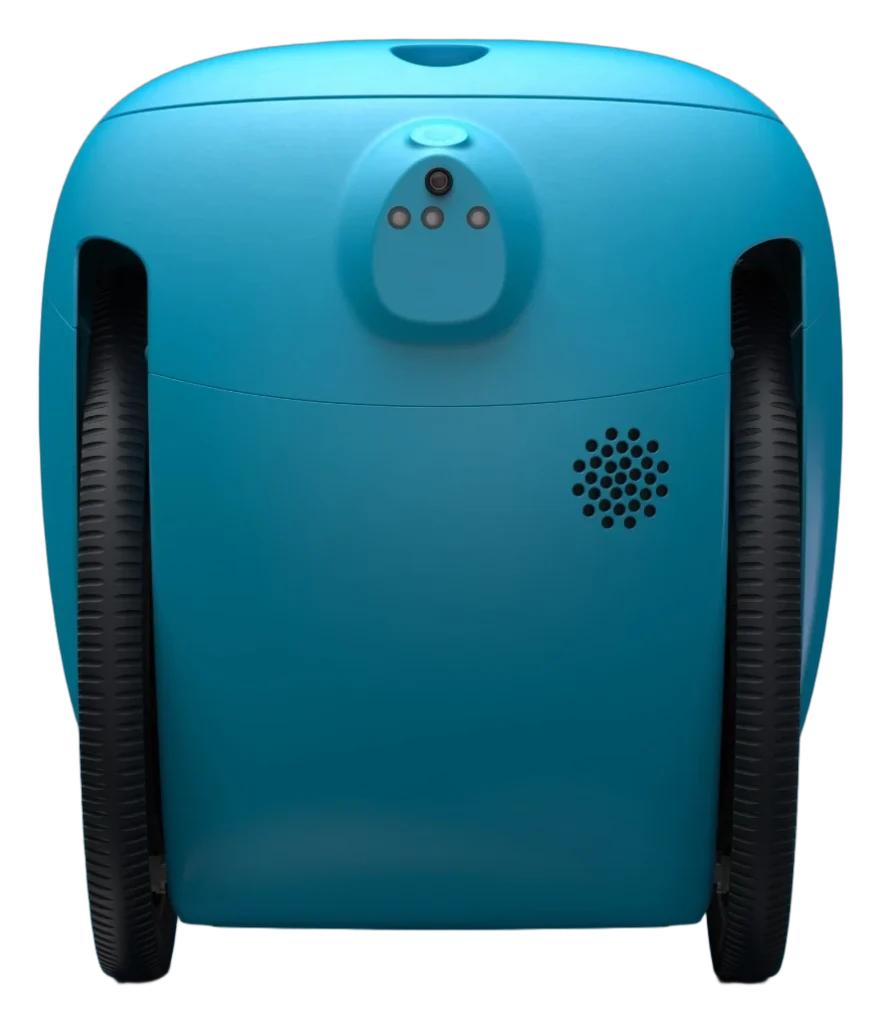
 The full recordPiaggio gitaplusSpecifications, evidence, the Fit Check in full, and every tracked change.
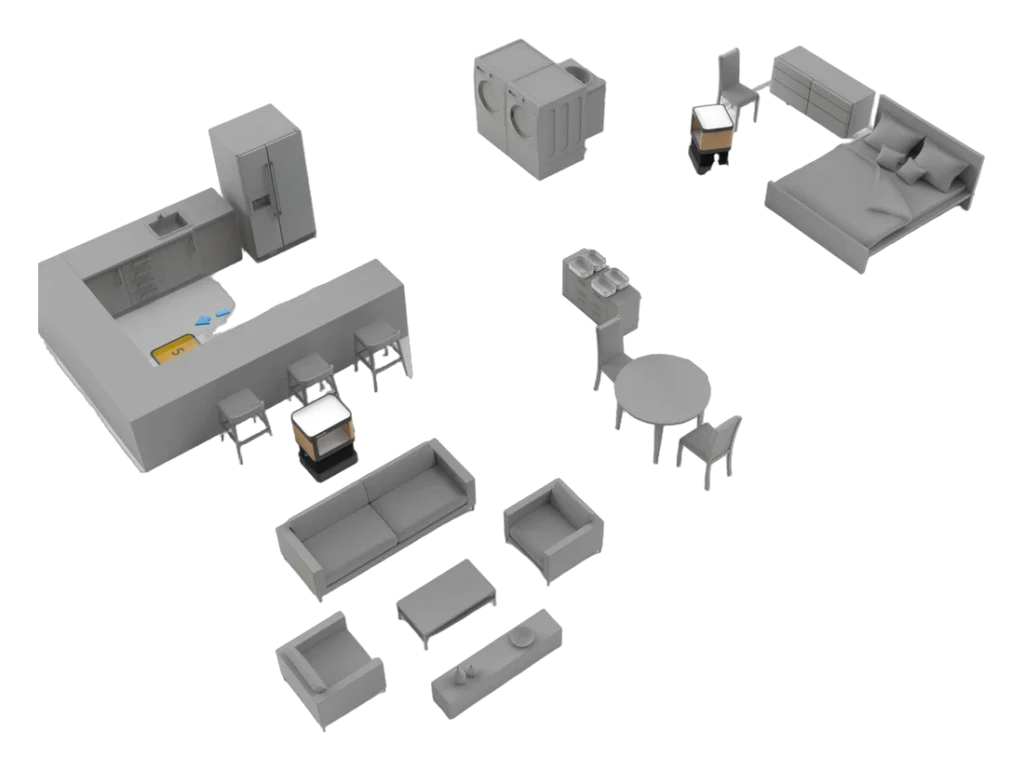
 The full recordLabrador Systems RetrieverSpecifications, evidence, the Fit Check in full, and every tracked change.