Gardena
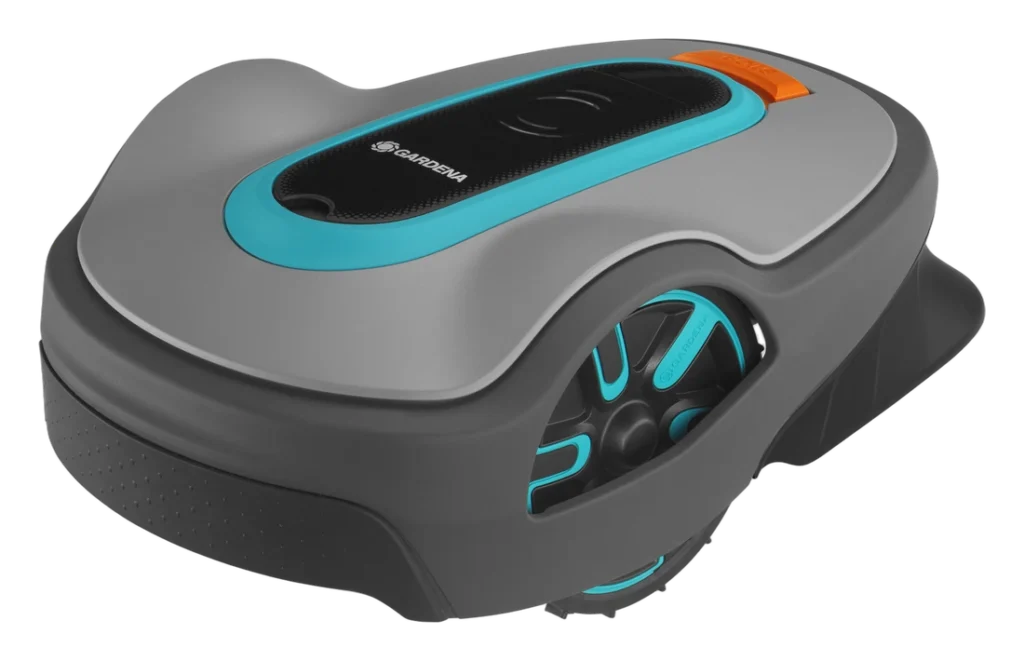
Gardena Sileno Life 750
- Autonomy
- IIAssisted
- Score
- 70/100Strong
- Readiness
- Ready Now
- Price
- $1,199list
Gardena
Up to three
All robot lawn mowers. Every figure below is placed against the whole class, so a gap can be read against how much the class itself varies.
The conditions each robot was assessed against, side by side. Rows marked in gold are where these machines genuinely differ.
| Condition | Sileno Life 750 |
|---|---|
| Yard size | |
| Under ¼ acre | GoodWell within 750 sq m rating; no scaling concern for small residential yards. |
| ¼ – ½ acre | GoodTypical suburban lawn zone falls within rated 750 sq m coverage; single-unit operation sufficient. |
| Over ½ acre | PoorRated coverage maxes at 750 sq m; larger estates exceed capacity and require multiple mowers or external perimeter zoning. |
| Terrain | |
| Mostly flat | GoodOptimal operating condition; GPS positioning and wire-following both reliable on level ground. |
| Gentle slopes | DependsSlopes 10–15° manageable; slopes >15° introduce traction loss and wire-tracking drift per owner reports. |
| Steep / hilly | PoorRated for gradients under 25% per specs but owner reports document traction failure >20% on wet grass; not recommended for steep properties. |
| Grass type | |
| Typical lawn grass | GoodStandard cool-season turf (fescue, bluegrass) cuts reliably at 20–60mm heights per specification. |
| Mixed / tall growth | DependsTall fescue and other coarse grasses cut at upper range (50–60mm); may require multiple passes weekly for dense growth. |
| Thick (Bermuda / Zoysia) | DependsThick Bermuda or St. Augustine grass at lower mowing height (20–30mm) increases blade dulling; weekly inspection necessary. |
| Boundary setup | |
| Wireless required | PoorThis model requires 1.6mm boundary wire; no RTK or wireless boundary option available. |
| Wire required | GoodDesigned for perimeter-wire operation; installation straightforward with Gardena wire and connectors included. |
| No preference | GoodUses perimeter wire. Fits readers with no boundary preference; wire is required. |
A robot being poor for a condition is a fact about fit, not a fault. “Depends” means the record names a limit worth reading, not that the answer is unknown.
Nine inputs across three pillars, each weighted as shown and each scored so more is better. A robot can lead on one and trail on another, which is the point of showing them apart.
A number only means something next to the spread it sits in. Each track is the real range across every classified robot in the class, with the median marked.
These robots share no measured specification with enough published figures to plot. That is a gap in the record, not a finding about the robots.
Written on each record, and the only thing here every robot on the site carries.
What each design gives up to be good at what it is good at.
Random-pattern cutting inside a fixed wire keeps the machine simple and the setup permanent. You get an even lawn from cutting often; you do not get route planning or obstacle avoidance.
Stated by the record itself. A robot being wrong for a household is a fact about fit, not a fault.
The upkeep ownership hands back to you, whatever the autonomy level says.
Classifications rest on different depths of evidence. A pre-release assessment and a verified one are not the same kind of claim.
| Robot | Evidence status | Sources reviewed | Last assessed |
|---|---|---|---|
| Gardena Sileno Life 750 | Pending | 5 | Aug 2026 |
Evidence status counts the sources behind a classification, not their kind. A high count can be maker documentation and price coverage, so read it as how much was reviewed rather than as independent testing. How we weigh evidence.
Robovations classifies robots; it does not rank them. Nothing on this page is a recommendation, and no manufacturer influences a classification or its placement here.
Comparing across classes is allowed — the page will switch to per-class positioning and tell you it has.