
Degrii, Inc.
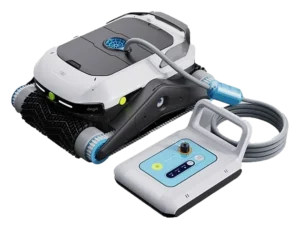
Degrii Zima Pro
- Autonomy
- IIIConditional Autonomy
- Score
- Not scored
- Readiness
- Not assessed
- Price
- Not tracked
All robot pool cleaners. Every measure below is plotted against the full class, so a difference can be read against how much the class itself varies.
Up to three
The Autonomy Ladder is the same five rungs for every robot on the site. A rung describes the conditions a robot handles without you, not how good it is.
The Robovations Score is nine inputs across three pillars, each weighted as shown and each scored so that more is better. A robot can lead on one and trail on another, which is the point of showing them apart. Cost of ownership and data handling are reported on each robot's own page and are never averaged into the score.
Not scored: Degrii Zima Pro
Not scored: Degrii Zima Pro
Not scored: Degrii Zima Pro
Not scored: Degrii Zima Pro
Not scored: Degrii Zima Pro
Not scored: Degrii Zima Pro
Not scored: Degrii Zima Pro
Not scored: Degrii Zima Pro
Not scored: Degrii Zima Pro
A number only means something next to the spread it sits in. Each track below is the real range across every classified robot in the class, with the median marked.
Not compared, because fewer than two of these robots carry a published figure: Price, Suction, Charge time, Noise, Weight.
What each design gives up to be good at what it is good at.
A 360-degree, 20-plus-sensor radar array and a 250W triple-motor pump are a more elaborate design than the Zima Lite’s, but the main unit’s dependence on a tethered floating battery pack is a real added component to manage that the Lite does not have.
A one-click ‘climb to waterline’ command reduces how far a person has to reach to retrieve the unit, but does not remove the retrieval task entirely.
The robot addresses all three core pool surfaces (floor, walls, waterline) in one cycle, but an independent review found first-run cleaning fell well short of that goal and only reached roughly 90 percent effectiveness after a firmware update.
Auto-parking at the waterline reduces the retrieval task compared to a fully submerged robot, but the same review found the five-minute window before it sinks back adds a different kind of attention requirement: promptness rather than physical retrieval.
Stated by the record itself. A robot being wrong for a household is a fact about fit, not a fault.
The upkeep ownership hands back to you, whatever the autonomy level says.
Classifications rest on different depths of evidence. A pre-release assessment and a verified one are not the same kind of claim.
| Robot | Evidence status | Sources reviewed | Last assessed |
|---|---|---|---|
| Degrii Zima Pro | Verified | 6 | Aug 2026 |
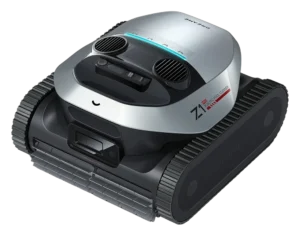
| Dreame Z1 Pro | Verified | 7 | Aug 2026 |
Comparing across classes is allowed — the page will switch to per-class positioning and tell you it has.