
Beatbot
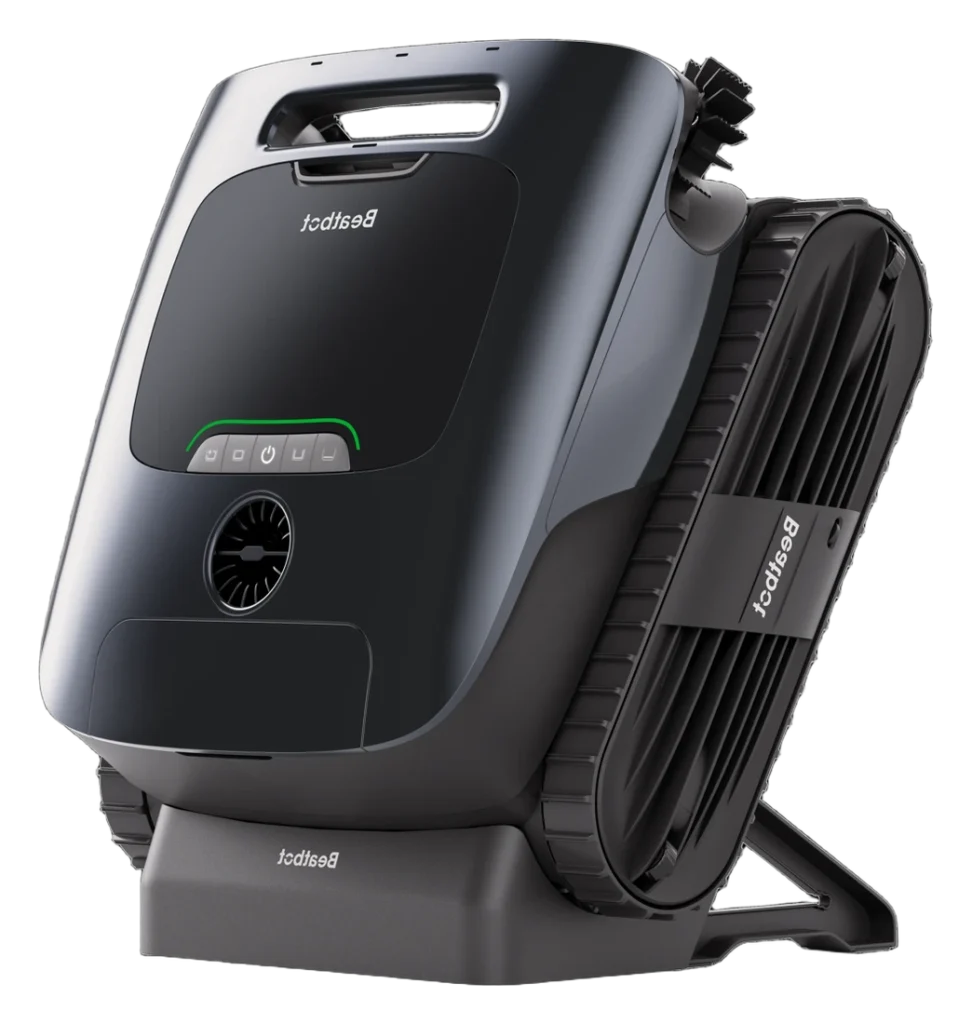
Beatbot AquaSense 2 Ultra
- Autonomy
- IVEnvironmental
- Score
- 65/100Capable
- Readiness
- Ready Now
- Price
- $3,150list
Beatbot
Beatbot
Up to three
All robot pool cleaners. Every figure below is placed against the whole class, so a gap can be read against how much the class itself varies.
The conditions each robot was assessed against, side by side. Rows marked in gold are where these machines genuinely differ.
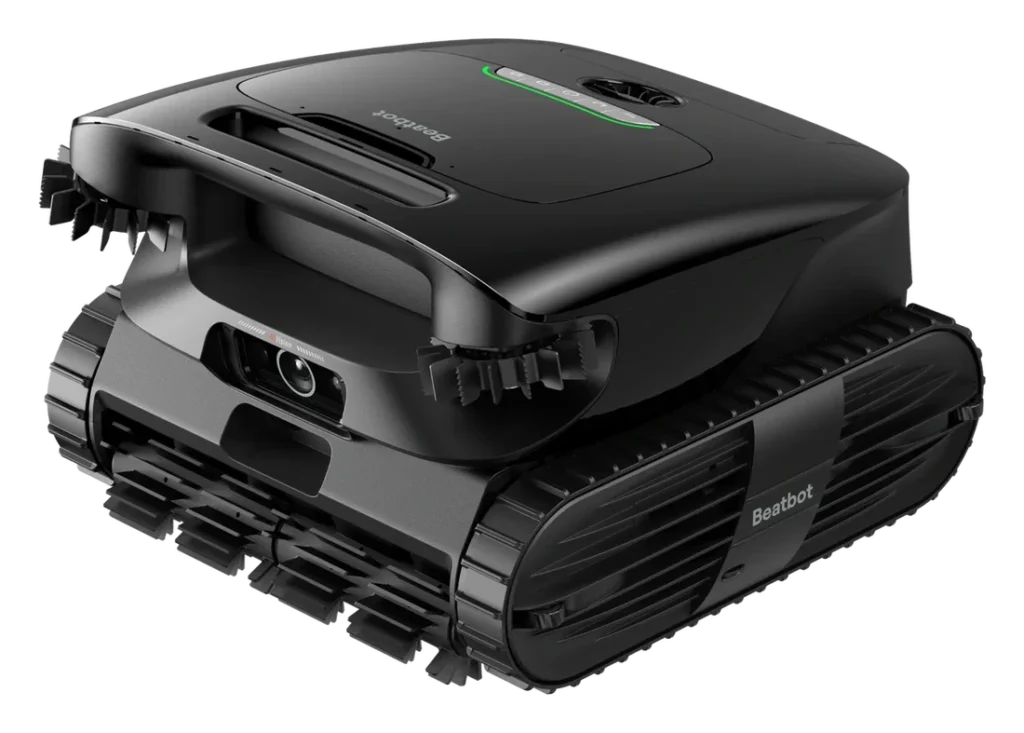
| Condition | AquaSense 2 Ultra | Beatbot AquaSense X |
|---|---|---|
| Pool type | ||
| In-ground | GoodDesigned for in-ground gunite and vinyl pools. Wall and waterline integration targets standard in-ground geometry. | GoodDesigned for in-ground gunite/plaster pools; dock placement requires dedicated 110V GFCI outlet and drainage clearance. |
| Above-groundthey differ | DependsCordless design suits above-ground setups; wall-climbing capability on vinyl liners depends on uncofirmed wall-adhesion specs. | PoorAstroRinse dock and AI sensor suite are engineered for in-ground installations; vinyl compatibility not documented. |
| Mixed setup | GoodMulti-location capability pending dock architecture confirmation. | GoodStandard for this category, see specs for confirmation. |
| Pool size | ||
| Small (< 400 sqft) | GoodMulti-function payload may exceed runtime efficiency for pools under 10,000 gallons. | GoodTen-hour battery and $4,250 price are overkill for pools under 12,000 gallons; smaller battery-powered units offer better cost alignment. |
| Medium (400 – 800) | Good15,000-25,000 gallon target range where waterline and floor coverage balance with runtime. | GoodCapable for 12k–18k gallon pools, but 10-hour battery capacity exceeds typical single-session need; value trade-off applies. |
| Large (> 800) | GoodDual-battery dock (if available) would support large pool coverage; specifications pending. | GoodIdeal target: 20k–35k gallons. Ten-hour battery covers full-pool routes in a single cycle without dock pause. |
| Debris load | ||
| Fine (sand / silt) | GoodWater clarification module targets fine particles; filtration efficiency unproven. | GoodIntake filter addresses silt and light algae; AstroRinse dock rinse extends filter life compared to standard bag-swap models. |
| Leaves / large debris | GoodIntegrated surface skimmer directly targets floating debris. Waterline brush captures edge accumulation. | Good22L debris bin accommodates heavy leaf load; autumn-peak cleanup cycles extend across 1-2 sessions without daily empties. |
| Algae / heavy fouling | DependsAlgae-stained pools may degrade camera-based obstacle detection; brush capability for scrubbing is advertised but unproven. | DependsAI sensor mapping targets algae-heavy walls effectively; filter clogging under peak bloom may trigger manual intervention. |
| Coverage you want | ||
| Floor only | GoodFloor-cleaning capability is core function, matching traditional pool robots. | GoodAI mapping targets floor routes with obstacle avoidance; sustained 10-hour operation covers floor comprehensively. |
| Floor + walls | GoodWall climbing integrated; durability and reliability unconfirmed. | GoodFloor coverage is strong; wall scrubbing is less documented than floor capability in published demos. |
| Floor + walls + waterline | GoodWaterline brush and surface skimmer target waterline and floating surface. Full coverage claims pending field validation. | GoodWaterline and floor are core to the AI mapping; wall coverage depends on operator manual intervention guidance. |
A robot being poor for a condition is a fact about fit, not a fault. “Depends” means the record names a limit worth reading, not that the answer is unknown.
Nine inputs across three pillars, each weighted as shown and each scored so more is better. A robot can lead on one and trail on another, which is the point of showing them apart.
A number only means something next to the spread it sits in. Each track is the real range across every classified robot in the class, with the median marked.
Not compared, because fewer than two of these robots carry a published figure: Runtime, Noise.
Written on each record, and the only thing here every robot on the site carries.
What each design gives up to be good at what it is good at.
You are paying for four cleaning functions in one hull. Beatbot publishes up to 5 hours of floor cleaning, 4.5 hours on walls and waterline, and 10 hours of surface skimming from a single 13,400 mAh pack, so the multi-function design does not come out of runtime. It comes out of price.
Unproven dock automation. AstroRinse self-cleaning is a genuine feature differentiation, but four months of real-world seasonal data is insufficient to validate filter/gasket durability under freeze cycles or algae-season intensity.
Price premium rests on CES honoree status, not field-maturity data. Early adopters fund the reliability evidence that mainstream users will eventually rely on.
Stated by the record itself. A robot being wrong for a household is a fact about fit, not a fault.
The upkeep ownership hands back to you, whatever the autonomy level says.
Classifications rest on different depths of evidence. A pre-release assessment and a verified one are not the same kind of claim.
| Robot | Evidence status | Sources reviewed | Last assessed |
|---|---|---|---|
| Beatbot AquaSense 2 Ultra | Pending | 2 | Sep 2026 |
| Beatbot AquaSense X | Provisional | 3 | Aug 2026 |
Evidence status counts the sources behind a classification, not their kind. A high count can be maker documentation and price coverage, so read it as how much was reviewed rather than as independent testing. How we weigh evidence.
 The full recordBeatbot AquaSense 2 UltraSpecifications, evidence, the Fit Check in full, and every tracked change.
 The full recordBeatbot AquaSense XSpecifications, evidence, the Fit Check in full, and every tracked change.
Robovations classifies robots; it does not rank them. Nothing on this page is a recommendation, and no manufacturer influences a classification or its placement here.
Comparing across classes is allowed — the page will switch to per-class positioning and tell you it has.