LG says home humanoid robots are coming by 2030. Its own factories get one first.
LG Electronics told analysts on its third-quarter earnings call, held October 28, 2026, that it plans to enter the home humanoid robot market “around 2030.” On the same call, the company raised its target for robot training data to 500,000 hours by the end of this year, a figure one report put at five times […]
LG Electronics told analysts on its third-quarter earnings call, held October 28, 2026, that it plans to enter the home humanoid robot market “around 2030.”
On the same call, the company raised its target for robot training data to 500,000 hours by the end of this year, a figure one report put at five times the 100,000-hour goal LG had set in August.
The quarter behind the call was a strong one, with revenue and profit both up from a year earlier. The humanoid comments came alongside those results. No product came with them.
The company described the data push as fuel for a robot it has not priced. On the call, it said it is pursuing “an approach that combines robots designed for home appliances with home appliances designed for robots.” Reaching “a price range consumers can actually afford”, it said, is a condition it still has to meet before entering that market at all.
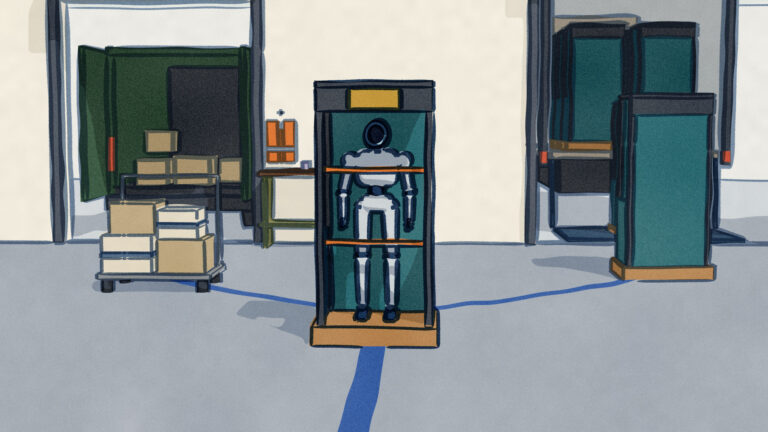
Manufacturing comes first. At a trade-show briefing in Berlin in September, Baek Seung-tae, who heads LG’s home appliance business, said humanoids go to the company’s own plants before they go anywhere else: a washing-machine line in Tennessee and a smart factory in Changwon, South Korea. Homes wait behind that work, and behind what Baek called safety being established.
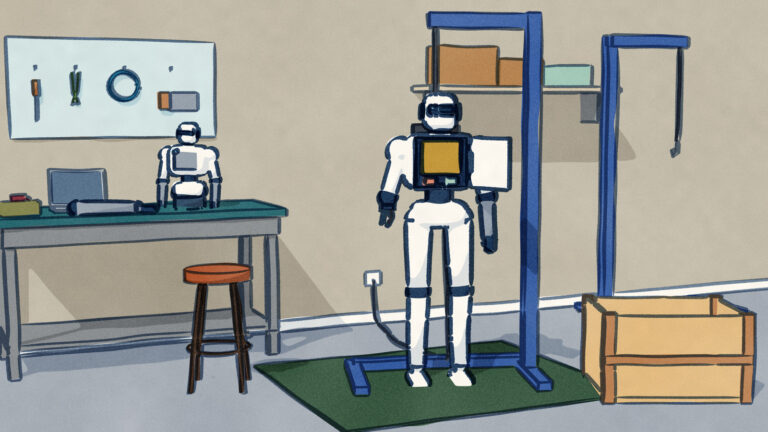
If you own an LG appliance, nothing here puts a robot in your home. The nearest public look comes in January 2027, when LG and Nvidia plan to show a bipedal humanoid, built on a partnership the two companies signed at Nvidia’s California headquarters in mid-August 2026.
The robot runs Nvidia’s Jetson Thor chip, its Isaac GR00T foundation model and a safety system called Halos, and the companies have said it is meant for both factories and homes, without saying which one gets it first.
The 500,000-hour figure measures how much footage LG has collected, not what either robot can yet do with it. A price a home buyer could afford and a finished factory rollout are still conditions LG has set for itself, and the 2030 date moves with them.
The January machine will be the first either company actually shows the public, running the same chip and model whether it ends up bolting a panel onto a car door or wiping a kitchen counter.