Goldman Sachs Rated Unitree a Sell. Its Stock Jumped 20% Anyway.
A new sell rating says Unitree’s stock price already assumes a shipment share and profit margin the bank’s own ten-year forecast does not expect it to keep.
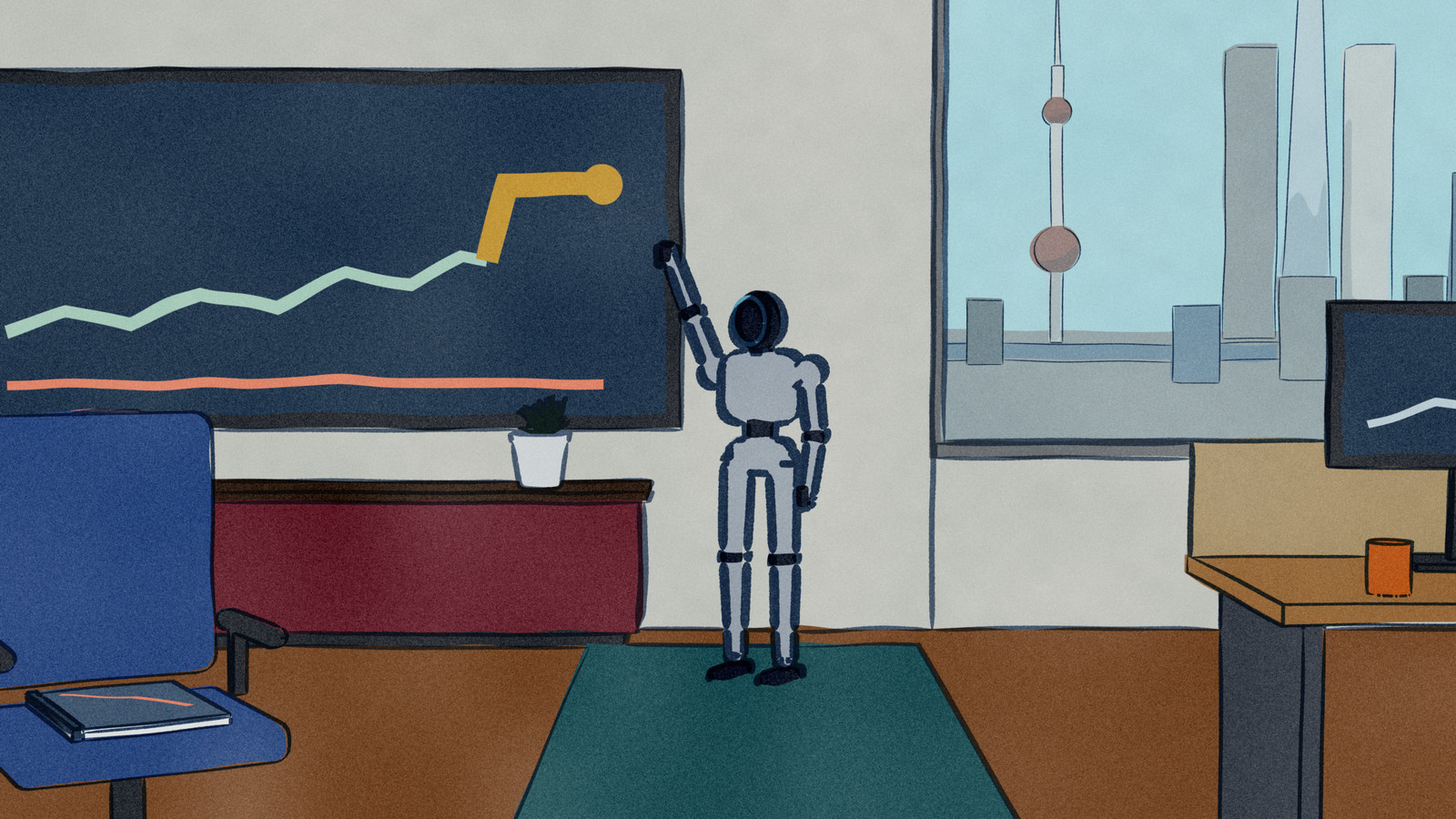
Goldman Sachs started coverage of Unitree Robotics on November 26, 2026, with a sell rating. Its price target, 347.10 yuan, sits 48 percent below that day’s close of 666 yuan.
The bank said it stays positive on Unitree’s hardware and on the long-term robotics market. The sell call is about the share price, not the robots.
Goldman’s note explains the gap. The share price, it said, already assumes Unitree stays among the world’s three largest humanoid makers. Holding that spot takes more than 15 percent of global shipments and a gross margin above 25 percent.
Goldman’s own forecast runs lower on both counts. Unitree’s share of global humanoid shipments falls from 36 percent in 2025 to 6 percent in 2035. Consolidated gross margin slides from 54.9 percent to 40.2 percent over the same decade.
Revenue still grows under that forecast, from 2.82 billion yuan this year to 47.78 billion yuan by 2035: a smaller slice of a much bigger market.
For a shareholder, the rating is the whole story. For a buyer, it changes nothing. The Go2 quadruped still sells for roughly $1,600 and the G1 humanoid for near $16,000, shipping at the same price and spec the day after the downgrade as the day before.
The market gave its own reading. Unitree’s shares rose 19.92 percent the next trading day, closing at 798.70 yuan. The jump hit Shanghai’s daily limit, widening the gap with Goldman’s 347.10 yuan target.
One bank’s ten-year model had its say. The buyers, the next morning, had theirs.