Does a robot mower stop for a pet in the grass?
A robot mower's box lists a slope it can climb and the pets it avoids. One of those is a measured number. The other is a promise.
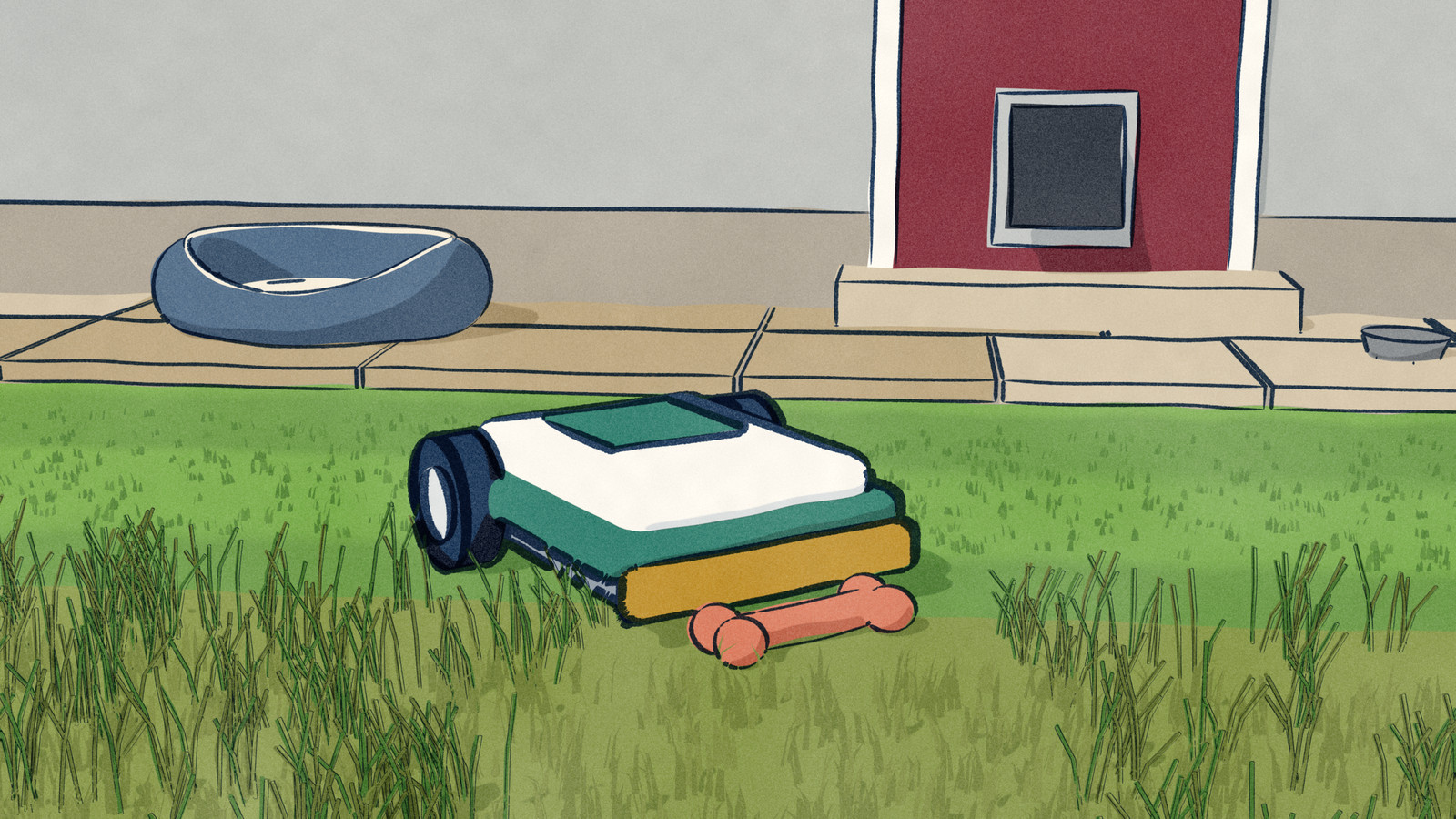
A robot mower rolls toward a corner of the lawn where something small is lying in the grass. Its maker says this is covered. Mammotion’s Luba 3 page promises the machine detects obstacles and pets as it moves, avoiding them safely. Segway’s Navimow line makes the same offer, naming pets, children, or garden decorations among what it steers around.
Beside that promise sits a number a buyer can test. The Luba 3 climbs an 80 percent slope, covers up to three quarters of an acre, and runs about 175 minutes on a charge. Those are measured figures. Whether the machine stops for the thing in the grass is a different kind of claim.
So which of the two is the pet line? If you let a dog into the yard, or a toddler leaves a toy on the lawn, that is the claim you are trusting. A slope rating you can hold against the hill behind the house. The pet line cannot be held against anything the maker publishes, because no published standard measures it.
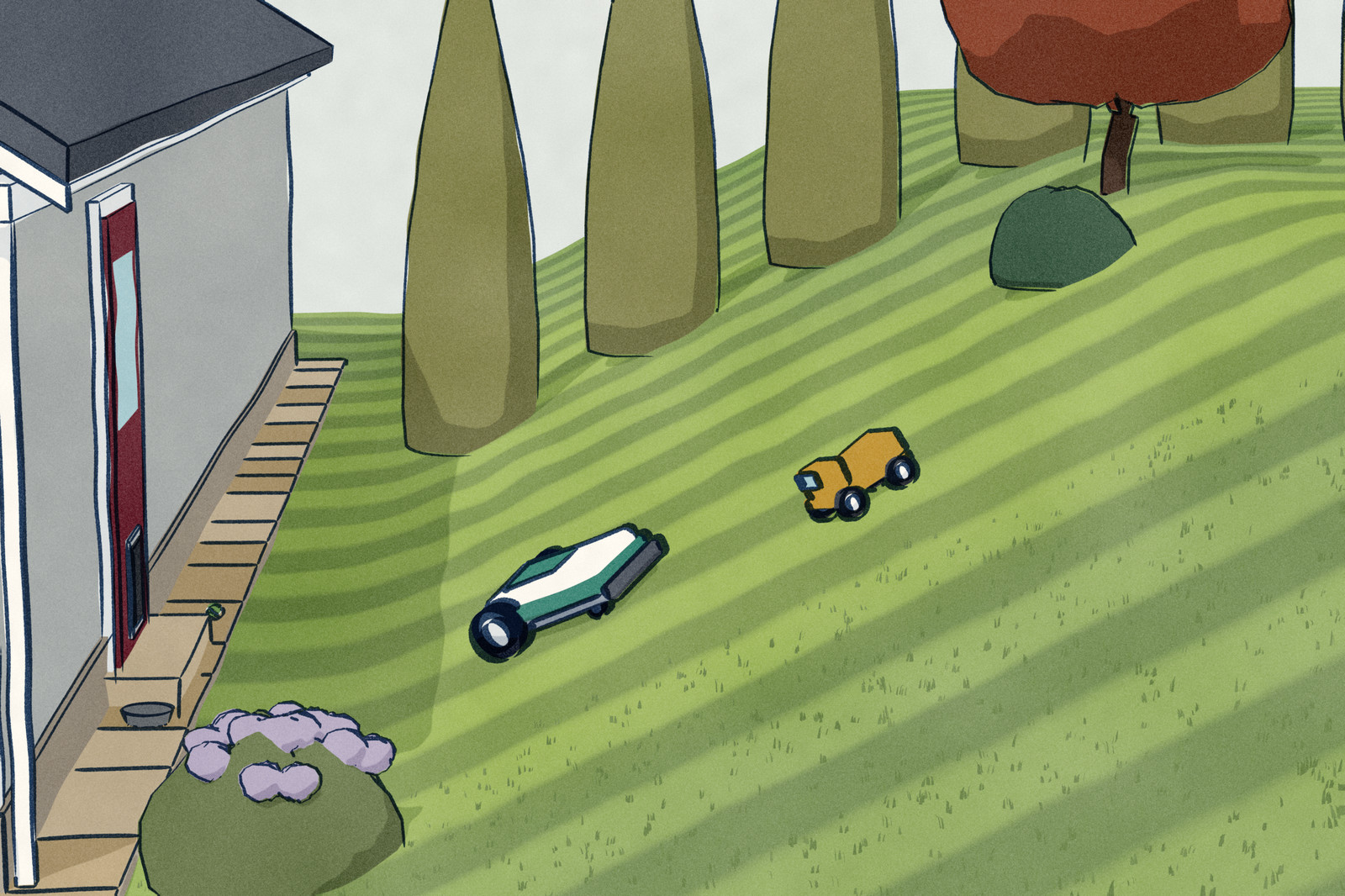
What happens when someone measures it
The one body of work that put the claim to a test used hedgehogs. In a study published in January 2024, a research team built a hedgehog crash test dummy, a soft model the size of a real animal, and designed a standardized safety test for robotic mowers, because none existed.
An earlier round tested 18 models against hedgehogs and hedgehog-sized models. With a single exception, every one had to physically touch the hedgehog before it registered as an obstacle, and none detected the juveniles under 200 grams.
What separated a safe machine from a dangerous one was not a line on the spec sheet. It was physical design: a blade that folds back on contact, a skid plate, front wheels that reach an object before the cutting deck does. Two mowers advertising the same avoidance can do very different things to the same animal.
Figure
The Autonomy Ladder
- Level III
The Autonomy Ladder is built to tell those two kinds of claim apart. It sorts a machine by what it finishes without help inside a defined set of conditions, its operating design domain. Level III, Conditional Autonomy, means the machine completes the job without a person, but only within that domain, and hands back everything outside it.
Most consumer robots live on that rung. Across the 621 robots placed on the Autonomy Ladder, 373 sit at Level III, against 183 a step lower at Level II, 58 a step higher at Level IV, and 7 at the floor, Level I.
A mower that cuts the whole yard and returns to its dock is doing what Conditional Autonomy describes, and the edges of its domain are where the owner comes back in.
A spec sheet measures those edges. Slope, area, run time and cutting width are all testable, and a buyer can hold the machine to them. What the machine perceives between those edges, and what it will stop for, is not on the sheet, and the one test that measured it had to touch the animal to find out.
Nothing on the sheet changes that result: with a single exception, these mowers learn an animal is there by hitting it. So the part the label calls autonomous still includes the one step almost no mower in the test could do: look at the grass before the blades turn. That step stays with whoever presses start.