Unitree’s founder moved his own AI breakthrough timeline a year closer
At a Shanghai industry fair, Wang Xingxing said GPT-6 tests on Unitree’s own robots pushed up his estimate for when embodied AI finally clicks.
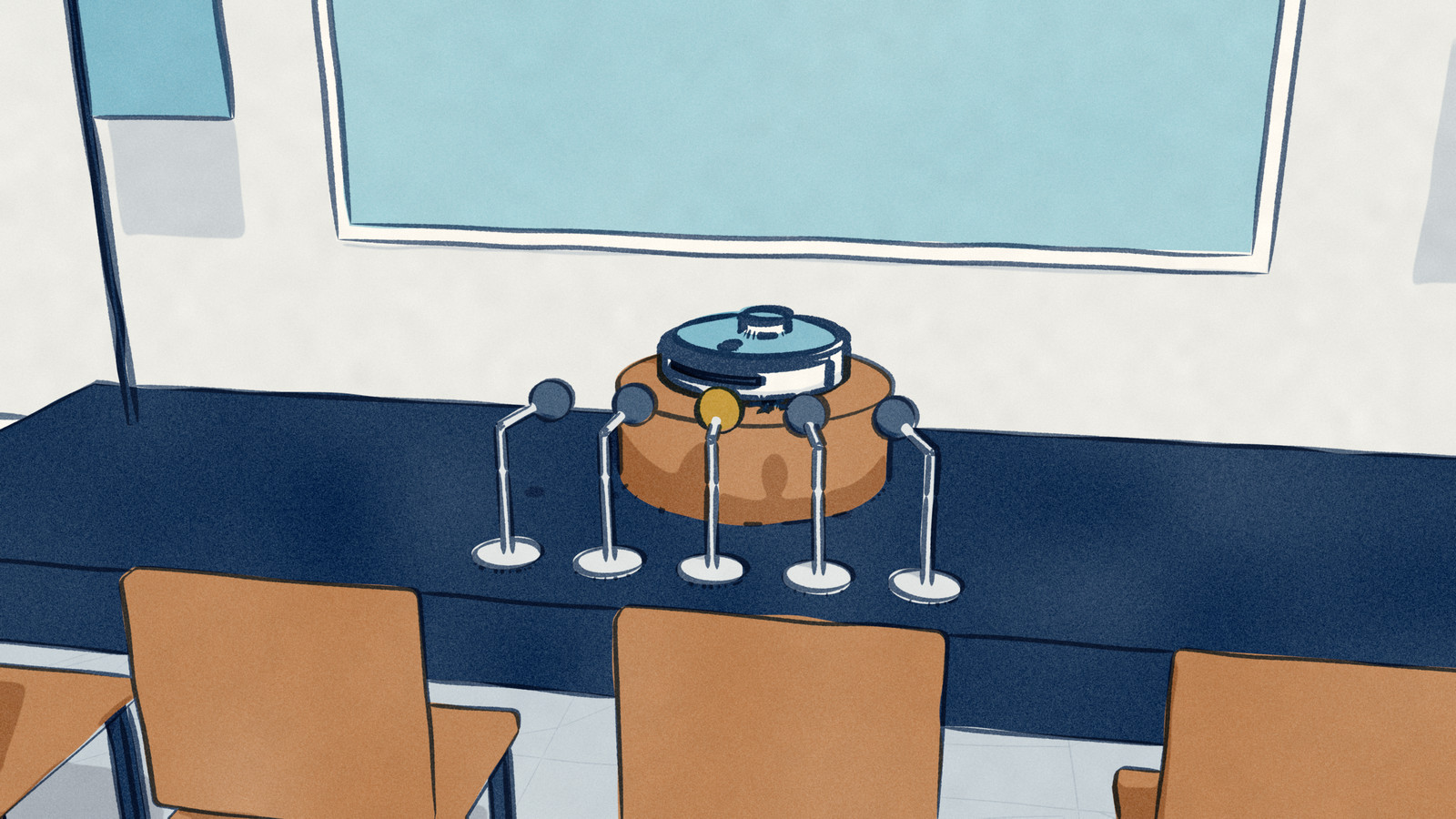
Unitree’s founder, Wang Xingxing, shortened his own timeline for a breakthrough in embodied intelligence this week. He said so at the opening of the 26th China International Industry Fair in Shanghai, on October 12, 2026.
Wang now expects the tipping point for large-scale commercial adoption of intelligent robots within one to two years. In August, he had put that figure at two to three years.
He tied the shift to OpenAI’s GPT-6, released in September. Wang said Unitree deployed the model across a range of its own robots for task testing soon after launch. He described the industry, including his own team, as shaken up by what the model could do once it was running on physical hardware.
We’ve deployed it on various robots for diverse task testing, and the results have actually been very impressive.
Wang Xingxing, Unitree’s founder, at the China International Industry Fair
Wang added that a successor model, GPT-7, due next year by his account, could go further and directly crack the problems of embodied intelligence. He was less specific about what those problems are than about when they might end.
The persistent ones, he said, are software that lets a robot adapt to places and tasks it was never trained for, and the efficiency needed to run that software at factory scale.
Those limits sit between this prediction and Unitree’s current lineup. The company already sells research and developer hardware built on the architecture Wang says is being tested with GPT-6: the G1 and R1 humanoids, and quadrupeds including the Go2 and B2. He told the Shanghai audience that commercial and service robots would likely become usable before industrial ones, with home robots arriving last of the three.
Nothing in Wang’s remarks is a published result. No task list, success rate or footage from the GPT-6 trials has been released. No outside lab has confirmed the model changes what any Unitree robot can do. The revised estimate is also his own, and nothing made public since August explains what moved it.
Wang closed the session by revisiting his own record on AI, saying his biggest mistake over the past decade was not believing in AI enough, and that he still thinks most people underuse it.