
A situation
Complete coverage or skipped strips: which window robot finishes the pane?
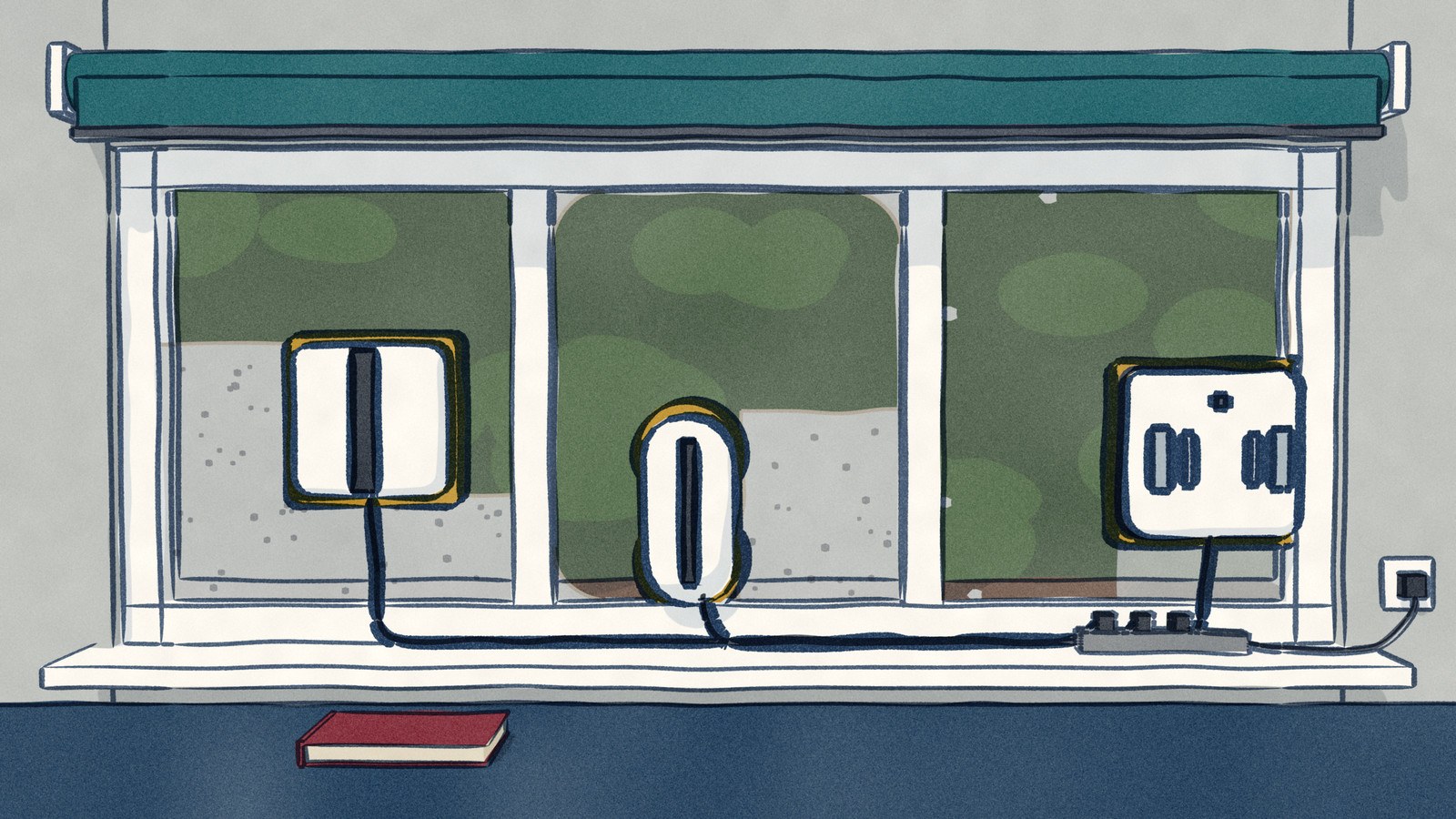
A pane is finished when the robot has covered the middle, the corners and the strip at the edge. The question is how each one runs its route and what reviews found left behind.
This page checks
- RouteThe pattern the maker describes
- CornersWhether the corners get reached
- Edge stripWhat testing found left at the edge
- Cord reachHow far from a socket it can work
HOBOT
Where to buy
HOBOT-2S window cleaning robot unveiled ahead of October 2021 US launch

HOBOT
Where to buy
HOBOT
Where to buy
Owner reports document mop pad wear patterns and edge coverage limits
Full specifications14 figures on record · 11 differ
Some links earn Robovations a commission. Nothing on this page is ranked by it.
 2S
2S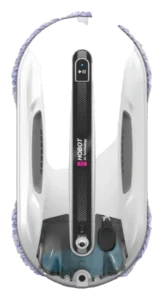 R3
R3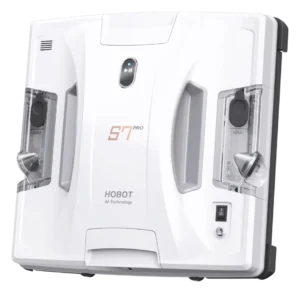 S7 Pro
Pane by pane
Does the robot finish the whole pane
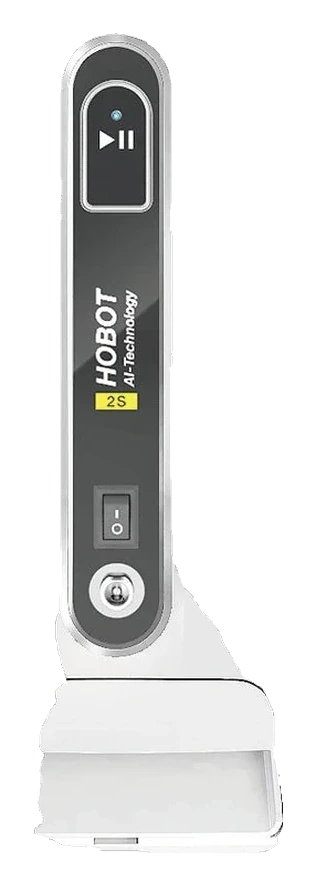
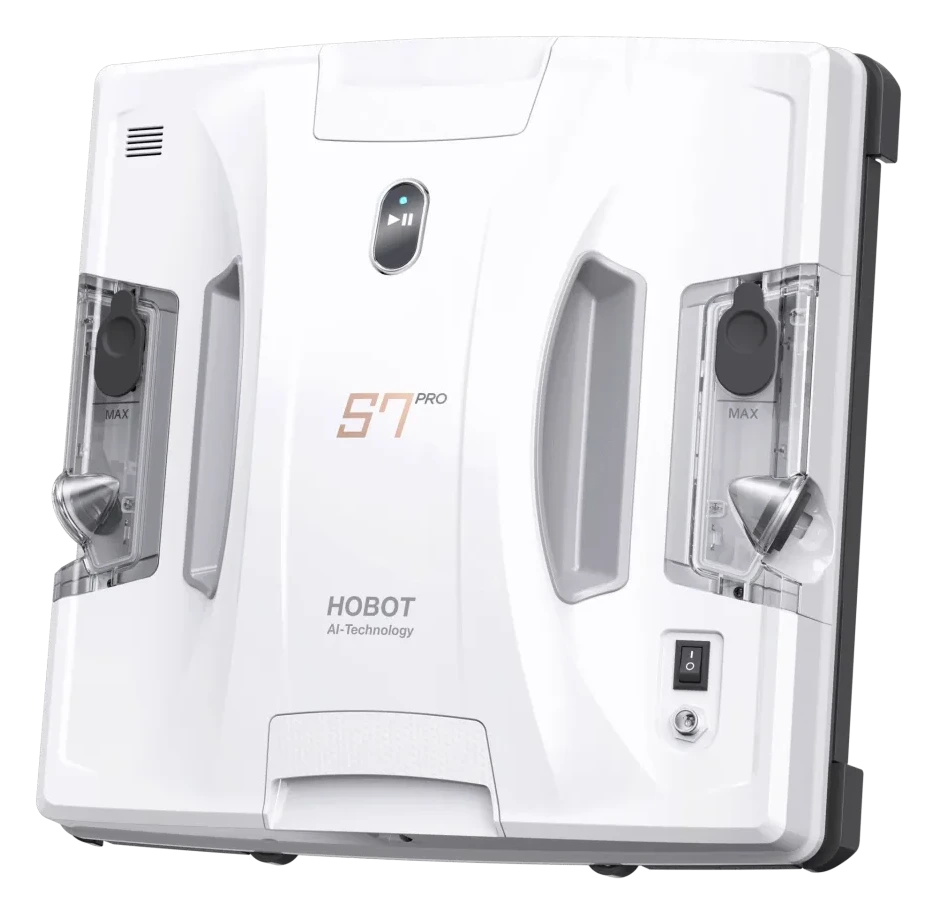
The 2S and S7 Pro run a zigzag, horizontal then vertical. The R3 moves horizontally from top to bottom. HOBOT claims 80% corner coverage for the 2S. A lab review found the R3 cannot reach corners and left a 0.08 in (2 mm) strip at the edge. A review of the S7 Pro found small marks, mostly at edges.
HOBOT describes route planning with zigzag patterns. The US store lists "Zigzag then N-way".
HOBOT product pagesPage says it moves horizontally from top to bottom. A Dec 2023 review says it climbs to the top first, then crabwalks down.
HOBOT product pageHOBOT says it cleans "without missing a spot".
HOBOT product pageHOBOT claims an 80% corner coverage rate with an extended cleaning cloth. No independent figure found.
HOBOT product pageJul 2025 lab review: it "simply can't reach them due to its design". HOBOT's page says nothing on corners.
Independent lab, Jul 2025Not found
HOBOT's page lists silicone bumpers and roller-assisted turning. No corner figure found.
HOBOT product pageA Sep 2021 review says the pads "cover right up to the edges". Reader comments on it report streaks.
Hands-on review, Sep 2021Lab review: it left a 0.08 in (2 mm) strip at the edge. A Dec 2023 review finished frames, edges and corners by hand.
Independent lab, Jul 2025Jun 2025 review: small marks remained, mostly at the edges. A large window needed three passes.
Hands-on review, Jun 202516ft (5 m)
HOBOT product page13ft (4 m)
HOBOT product page13ft (4 m)
HOBOT says it extends to 26 ft (8 m).
HOBOT product pageSame on all three: a built-in battery holds the robot on the glass for 20 minutes if mains power drops, and each comes with a safety rope.
Your home
How each one fits a home like yours
Set the conditions that describe your home. Each robot answers from its own Fit Check; nothing is scored until you choose.
Fit check
Describe your home
Pick what applies. Each robot answers from its own record.
Everything else
Where they land among 27 robot window cleaners
Only the measures on which these three differ. The bar is the whole category; the block is the typical middle half; the tick is the median.
Sources
Where every figure comes from
- 2S · hobot.com.tw and hobot.us 2S product pages; one hands-on review (Sep 2021)
- R3 · hobot.com.tw R3 product page; one independent lab review (Jul 2025); one hands-on review (Dec 2023)
- S7 Pro · hobot.com.tw S7 Pro product page; one hands-on review (Jun 2025)
Every value was read from the page named on 2 Oct 2026. "Not found" means the pages opened say nothing on that point; it never means the robot lacks the feature.
Questions
What readers ask
Does the S7 Pro's route stop missed strips?
HOBOT says the zigzag route cleans “without missing a spot”. A Jun 2025 hands-on review still found small marks, mostly at the edges, and a large window needed three passes.
Does the R3 reach corners better than the 2S?
Not on the evidence found. HOBOT claims 80% corner coverage for the 2S. A lab review says the R3 cannot reach corners. HOBOT’s R3 page makes no corner claim.
Which one can work farthest from a socket?
The S7 Pro, whose 13 ft (4 m) cord extends to 26 ft (8 m) per HOBOT. The 2S cord is 16 ft (5 m) and the R3 cord is 13 ft (4 m).
Common questions