
A situation
Pool robots for leaves vs fine silt: which filter do you need?
Leaves need a roomy basket that is easy to empty. Fine silt needs a filter that holds back small particles. This page sets out what each robot lists for both.
This page checks
- Basket sizeRoom for leaves before it fills
- Finest filterThe smallest particle size listed
- EmptyingWhere the filter opens
- Leaf testsWhat hands-on reviews found
Polaris
Where to buy
Full specifications19 figures on record · 14 differ
Some links earn Robovations a commission. Nothing on this page is ranked by it.
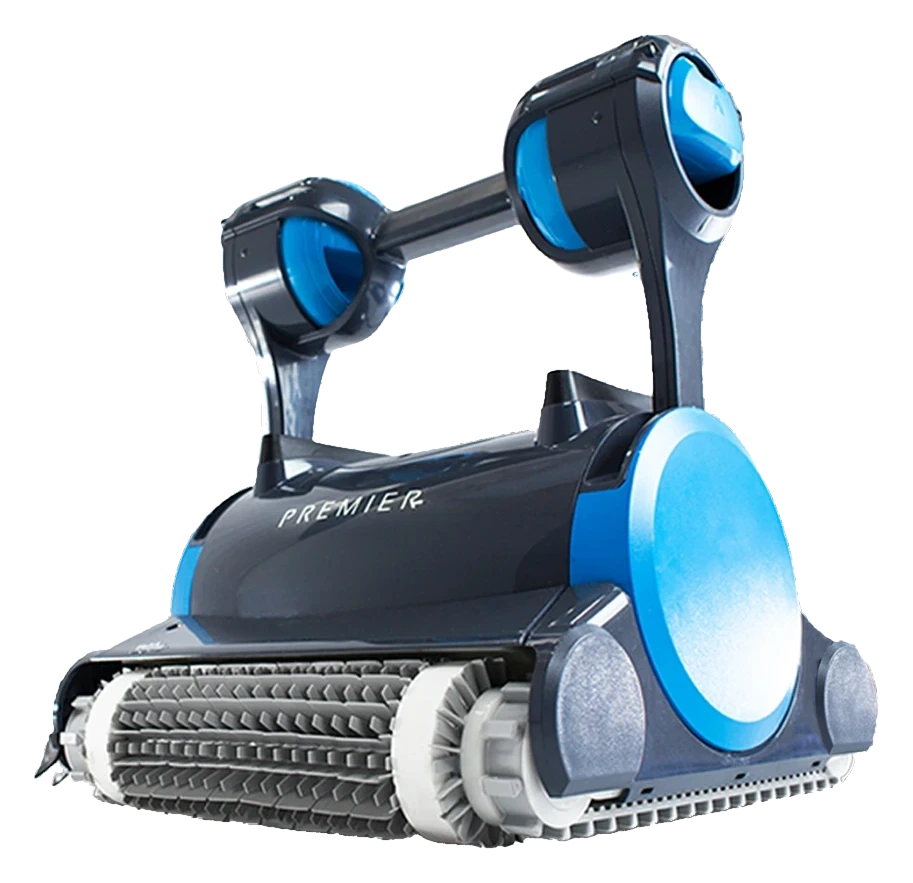
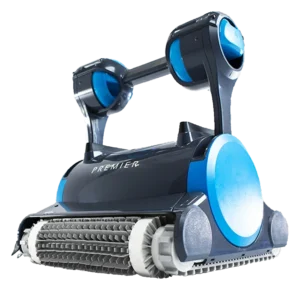 Dolphin Premier
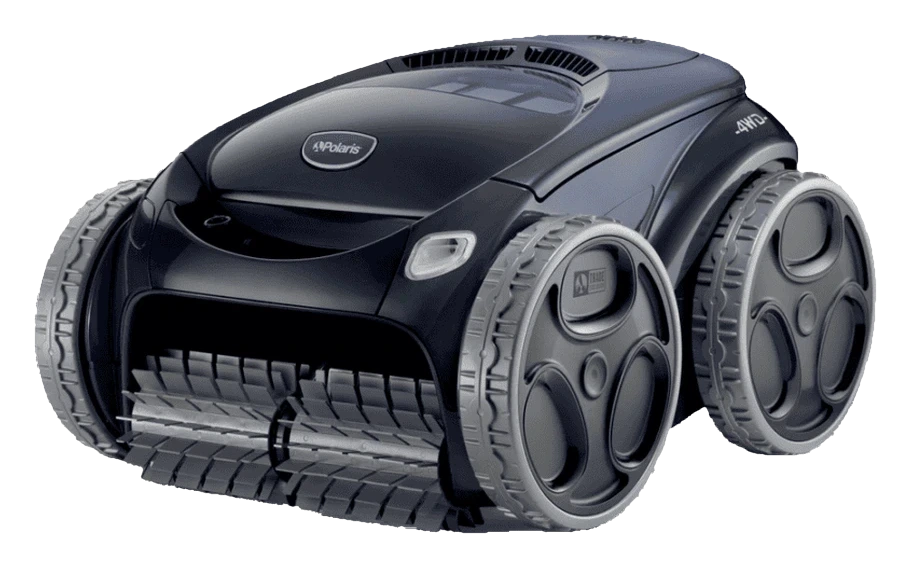
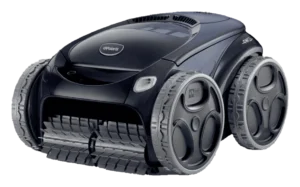 Alpha iQ+
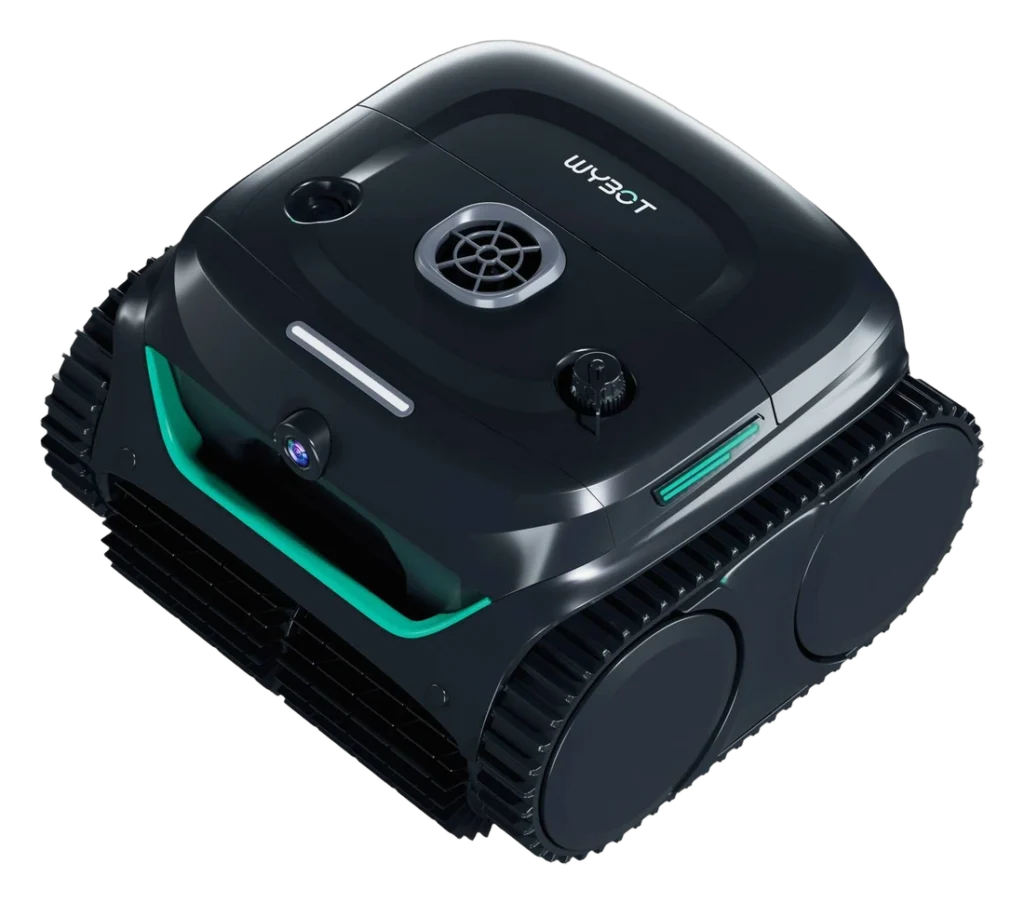
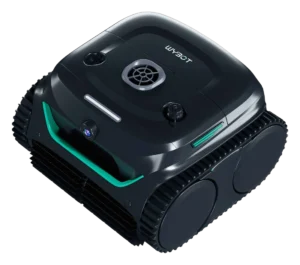 C2 Vision
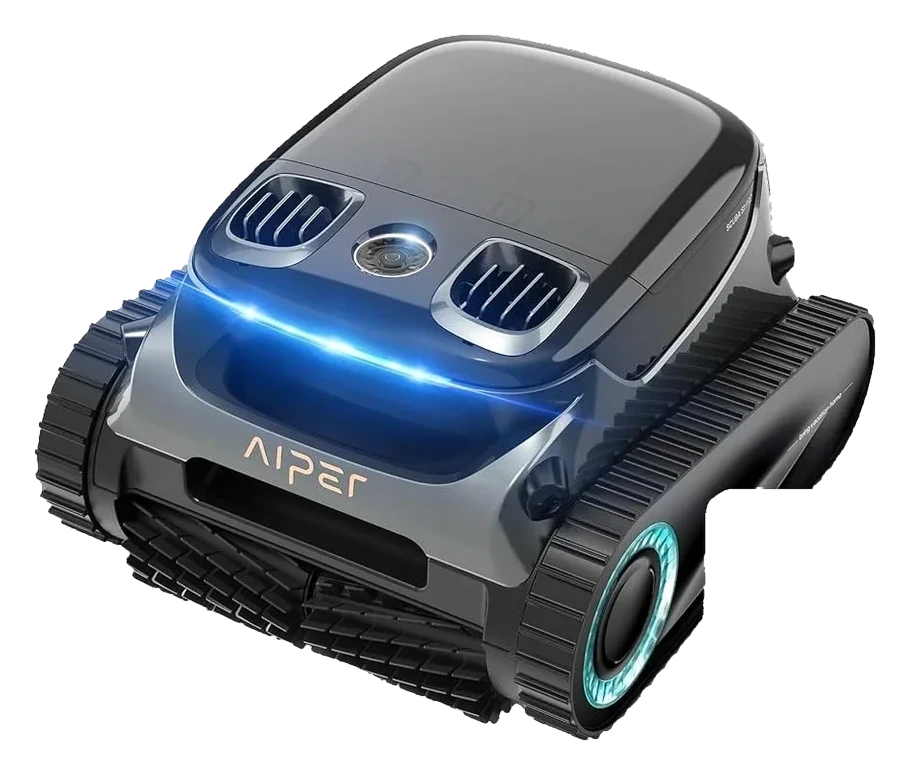
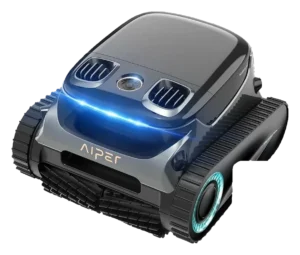 Scuba S1 Pro
Leaves or silt
What each filter holds and how it empties
Aiper lists the finest filter, 3 µm, and the C2 Vision lists 180 plus 10 µm. Baskets are 5 L for the Alpha iQ+ and Scuba S1 Pro and 3 L for the C2 Vision. No micron figure or basket volume was found for the Dolphin Premier or the Alpha iQ+ mesh.
Not found
The page lists a filter bag and cartridge but no volume. Searched the Maytronics product page.
Maytronics product page5L
Illuminated canister, as listed by US dealers.
US dealer listings3L
Filter capacity from the maker's EU spec comparison. No gallon figure printed.
Maker EU product page5L
Top-load basket.
Aiper product pageNot found
Fine and ultra-fine kits are named, with no micron figure on the Maytronics page.
Maytronics product pageNot found
Fine-mesh canister. Mesh size not found on dealer listings; the maker's own pages did not load.
Searched US dealer listings180 + 10micron
Large-particle cartridges plus ultra-fine filters.
Maker product page3µm
A 180 µm basket first, then a 3 µm MicroMesh element.
Aiper product pageFilter bag and cartridge swap out through the bottom. A full-filter indicator is listed.
Maytronics product pageTop-access canister with a clear lid, as listed by US dealers.
US dealer listingsTop lid; basket lifts out
Open the lid button, lift out the basket and ultra-fine filter, empty and rinse.
Maker user manualBasket lifts out the top. One hands-on review found it awkward to hose out.
Aiper product pageLeaf bag option
A hands-on review says its oversized leaf bag does not clog the intakes. No test figure found.
Hands-on reviewNot found
No leaf test found. Searched dealer listings; the owner's manual file was too large to open.
Searched dealer listings and manualCollected leaves and insects without trouble
Round steel-wall pool. Leaves and insects went in even without the ultra-fine filter fitted.
Hands-on review, Sep 2025Reviews differ
One review: 95% of synthetic leaves removed. Another: leaves and twigs stayed on the floor after several cycles.
Two hands-on reviews, 2024 and 2025Same on the Dolphin Premier, Alpha iQ+ and Scuba S1 Pro: each is listed for floor, walls and waterline cleaning.
Your home
How each one fits a home like yours
Set the conditions that describe your home. Each robot answers from its own Fit Check; nothing is scored until you choose.
Fit check
Describe your home
Pick what applies. Each robot answers from its own record.
Sources
Where every figure comes from
- Dolphin Premier · Maytronics US product page (in stock); a hands-on review of the Dolphin Nautilus CC Supreme that compares it with the Premier (poolbots.com)
- Alpha iQ+ · US dealer listings (epoolsupply.com, simplifiedpools.com); Polaris pages would not load; owner's manual PDF too large to open
- Scuba S1 Pro · aiper.com US product page; hands-on reviews, PCWorld 1 Jul 2024 and The Pool Nerd 24 Jan 2025
- C2 Vision · Maker product page, EU product page and manual; hands-on review, Sep 2025
Every value was read from the page named on 2 Oct 2026. "Not found" means the pages listed were opened and say nothing; it never means the robot lacks the feature.
Questions
What readers ask
Which of these lists the finest filter for silt?
Aiper lists a 3 µm element, the finest figure found. Wybot lists 180 plus 10 µm for the C2 Vision. The Maytronics page for the Dolphin Premier and the dealer listings for the Alpha iQ+ give no micron figure.
Which has the largest basket for leaves?
The Alpha iQ+ and Scuba S1 Pro list 5 L, and the C2 Vision lists 3 L of filter capacity. Maytronics gives no volume for the Premier, which a hands-on review says has an oversized leaf bag option.
What did hands-on reviews find with leaves?
A review of the C2 Vision on a round steel-wall pool found leaves and insects went in without trouble. Reviews of the Scuba S1 Pro differ. A review notes a leaf bag option for the Premier. No leaf test was found for the Alpha iQ+.
Common questions