
Pool surface skimming and floor cleaning: which robots do which job?
Pool cleaning robots divide between surface-focused designs and floor-focused variants, with only a few claiming both roles equally.
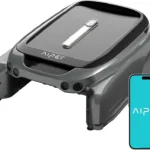
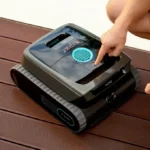
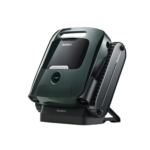

What this comparison investigates
- Which robots are optimized for surface skimming?Surface skimming requires different pump placement and debris intake design than floor cl…
- How do floor-cleaning capabilities differ across these models?Floor coverage requires sustained suction and pathfinding to sediment-prone areas like co…
- Can any single robot handle both surface and floor equally well?All-in-one pool cleaners claim dual capability, but mechanical trade-offs often favor one…
- How efficient are debris handling and discharge systems?A robot can clean well but lose efficiency during debris collection and disposal. This se…
- Which robot targets which pool scenario most effectively?Pool profiles vary by debris load and depth. This section maps each robot to the conditio…
Which robots are optimized for surface skimming?
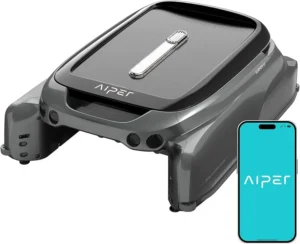
Surface skimming requires different pump placement and debris intake design than floor cleaning. This section shows which robots prioritize leaves and floating debris.
| Feature | Aiper Surfer S1 | Aiper Scuba V3 | Beatbot AquaSense 2 Pro | Wybot Osprey 700 |
|---|---|---|---|---|
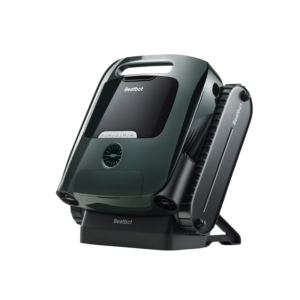
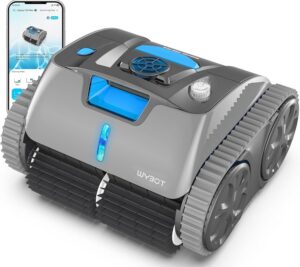
| Primary debris focus | Surface leaves, pollen Edge | Floor sediment | Surface floating debris | Floor debris, sediment |
| Intake position | Top-mounted basket Edge | Bottom intake | Front intake | Bottom-mounted |
| Claimed skimming capability | Yes Edge | Limited | Yes | No |
How do floor-cleaning capabilities differ across these models?
Floor coverage requires sustained suction and pathfinding to sediment-prone areas like corners and slopes. This section compares floor-cleaning architecture.
| Feature | Aiper Surfer S1 | Aiper Scuba V3 | Beatbot AquaSense 2 Pro | Wybot Osprey 700 |
|---|---|---|---|---|
| Floor contact method | Limited floor contact | Full floor traverse Edge | Hybrid surface-floor | Full floor traverse |
| Navigation type | Semi-autonomous | Pre-programmed paths | Smart mapping Edge | Random pattern |
| Wall cleaning included | No | Yes Edge | Limited | Yes |
Wall contact
Can any single robot handle both surface and floor equally well?
All-in-one pool cleaners claim dual capability, but mechanical trade-offs often favor one task. This section tests whether overlap exists.
| Feature | Aiper Surfer S1 | Aiper Scuba V3 | Beatbot AquaSense 2 Pro | Wybot Osprey 700 |
|---|---|---|---|---|
| Dual-mode capability | Surface-only design | Floor-only design | Switchable modes Edge | Floor-focused with limited surface |
| Mode switching method | N/A | N/A | App-controlled Edge | Manual placement |
| Runtime on single charge | 120 minutes | 90 minutes | 150 minutes | 180 minutes Edge |
How efficient are debris handling and discharge systems?
A robot can clean well but lose efficiency during debris collection and disposal. This section compares filtration and basket capacity.
| Feature | Aiper Surfer S1 | Aiper Scuba V3 | Beatbot AquaSense 2 Pro | Wybot Osprey 700 |
|---|---|---|---|---|
| Basket capacity | 2.5 liters | 3 liters | 2 liters | 3.5 liters Edge |
| Filter type | Standard mesh | Pleated cartridge | Dual-filter system Edge | Pleated cartridge |
| Debris discharge | Manual basket removal | Manual basket removal | Manual basket removal | Automatic dock discharge Edge |
Largest capacity
Which robot targets which pool scenario most effectively?
Pool profiles vary by debris load and depth. This section maps each robot to the conditions it was engineered to handle.
| Feature | Aiper Surfer S1 | Aiper Scuba V3 | Beatbot AquaSense 2 Pro | Wybot Osprey 700 |
|---|---|---|---|---|
| Ideal pool size | Up to 30 feet | Up to 50 feet | Up to 40 feet | Up to 60 feet Edge |
| Ideal debris profile | Light surface debris | Heavy sediment Edge | Mixed light-to-medium | Heavy sediment and debris |
| Depth limitation | Up to 6 feet | Up to 8 feet | Up to 7 feet | Up to 8 feet |
What the evidence shows
Specialization dominates the pool-cleaner market.
No single model excels equally at both surface skimming and floor sediment removal. Surfer S1 and AquaSense 2 Pro address surface needs; Scuba V3 and Osprey 700 prioritize floor coverage. The trade-off is mechanical, not software.
Debris capacity and discharge architecture vary significantly.
Osprey 700 stands alone with automatic dock discharge; all others require manual basket emptying. Basket sizes range from 2 to 3.5 liters, affecting run length between maintenance cycles.
Pool scenario fit determines robot choice more than price.
Seasonal surface-heavy pools suit Surfer S1. In-ground pools with steady sediment suit Scuba V3 and Osprey 700. Mixed-debris environments favor AquaSense 2 Pro and its switchable modes, if battery runtime suffices.
Common questions